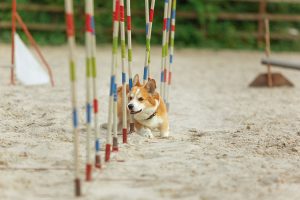


Choosing your first dog is exciting, but it is also a long term decision that will shape your routine, budget, home and weekends for years.
The best breed is not simply the cutest one or the one everyone else seems to have. It is the dog whose needs you can meet on ordinary days, not just when life is quiet and the weather is kind.
This guide gives you a practical advice on what to consider when choosing a breed in the UK; along with honest notes on exercise, grooming, temperament, health checks and first week preparation.

A good first dog is usually forgiving, trainable and suited to the owner’s real lifestyle. That does not mean the dog will be effortless. It means the breed is less likely to overwhelm a sensible new owner who is prepared to learn.
Look for these traits before you fall for their cute face:
The Royal Kennel Club recommends researching both the good traits and the downsides of any breed you are considering. A breed can be wonderful and still be wrong for your home.
If you are new to training, favour a dog that is people focused and responsive to reward based training. Bark Boutique’s guide to basic training foundations is a useful next read because even the easier breeds need consistency from day one.
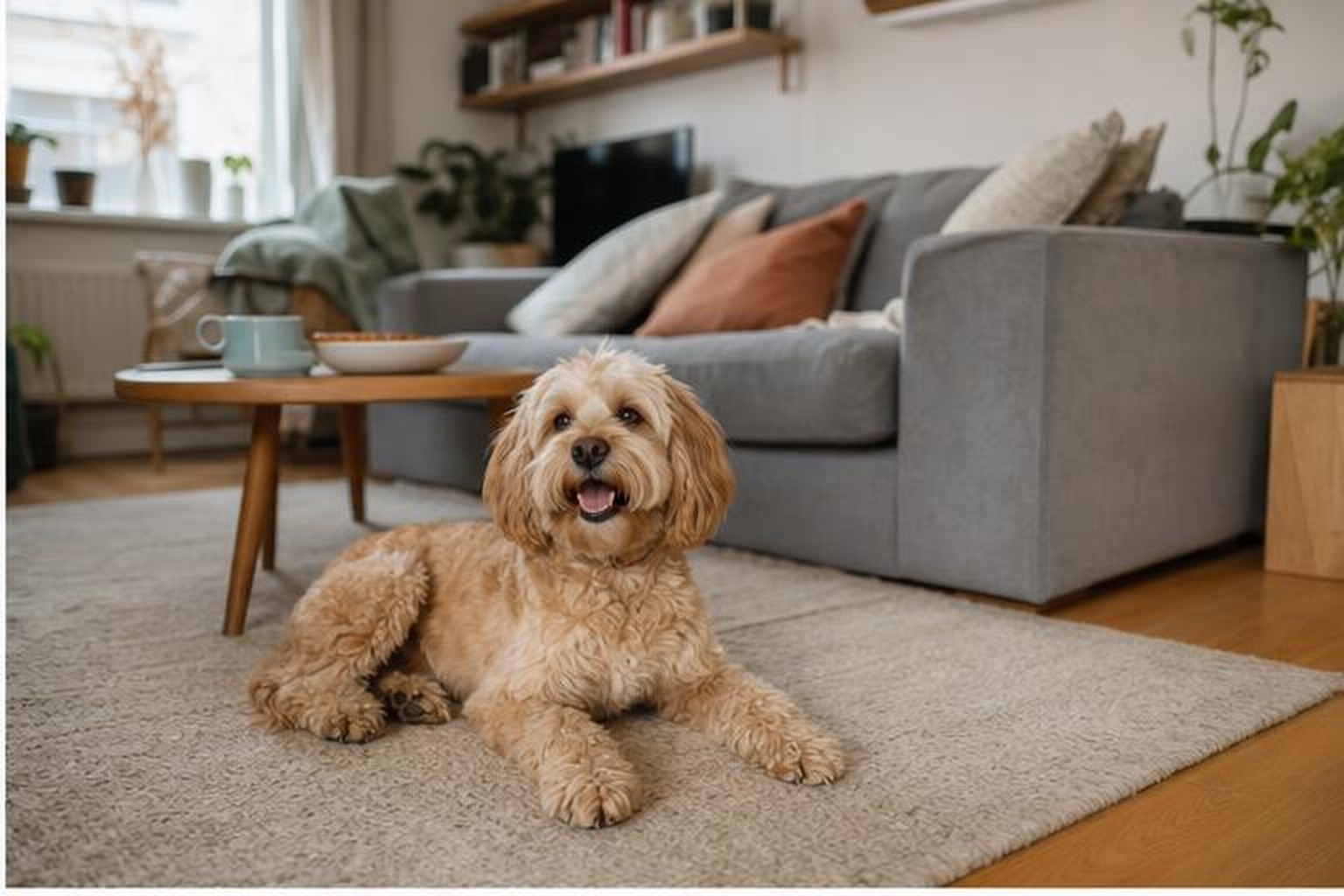
There is no single best breed for every first time owner, but some breeds and breed types are usually easier to live with than others.
| Breed or type | Best fit | Care level | Watch-outs |
|---|---|---|---|
| Cavalier King Charles Spaniel | Calm homes, gentle families, smaller properties | Low to moderate exercise, moderate grooming | Can dislike long periods alone, important heart-health screening |
| Labrador Retriever | Active families, owners who enjoy daily walks and training | Moderate to high exercise, moderate shedding | Food-driven, strong when young, needs weight management |
| Golden Retriever | Families wanting a gentle, trainable companion | Moderate to high exercise and grooming | Regular brushing, health screening matters |
| Whippet or Greyhound | Quieter homes, owners wanting calm indoor dogs | Moderate walks, low grooming | Recall and prey drive need careful management |
| Poodle, Bichon Frise or similar | Smaller homes, low-shedding preference | Moderate exercise, high grooming commitment | Professional grooming is not optional |
| Cocker Spaniel or Cockapoo | Active owners wanting a bright, affectionate dog | Moderate to high exercise, regular grooming | Can become busy or frustrated without enough input |
For most first time owners, the safest shortlist is not the most dramatic one. It is the one where your daily routine matches the dog’s needs. If you work long days away from home, a sociable breed that struggles alone may be harder than expected. If you dislike wet winter walks, a high energy gundog may not be fair on either of you.
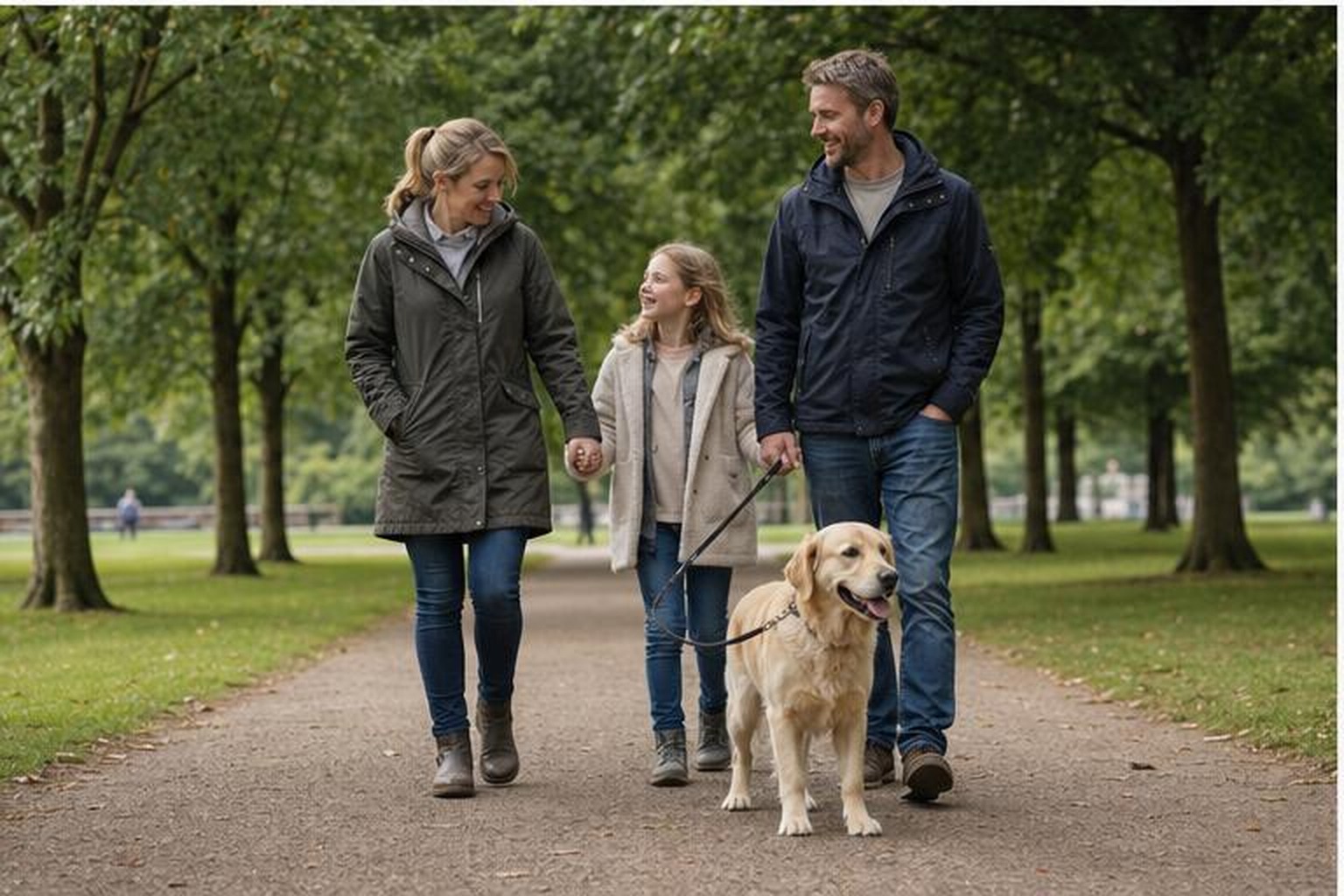
The breeds below are often recommended because they tend to combine trainability, affection and adaptability. Individual dogs still vary, so treat breed traits as a guide rather than a promise.
Cavaliers are often a strong first dog choice for calm homes, older owners and families who want a gentle companion. They are small enough for flats and terraced houses, usually affectionate, and often happy with moderate daily walks rather than hours of intense activity.
Their main need is company. A Cavalier may not suit a household where everyone is out for long stretches every day. Health screening is also important, especially around heart issues, so do not rush into the nearest available puppy.
The Labrador remains popular for good reason. Labs are usually friendly, food motivated and keen to join in, which can make training enjoyable for new owners. They are a good fit for active families who want a robust dog for regular walks, countryside weekends and family life.
The caveat is energy and appetite. Young Labradors can be strong, bouncy and opportunistic around food. They need training, sensible portions and safe exercise rather than endless free for all running. If you choose a Lab, plan for daily structure and daily walks through typical UK weather, not just sunny weekend outings.
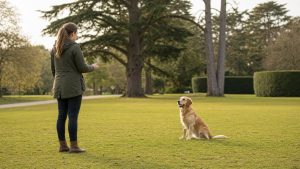
Golden Retrievers are often patient, affectionate and very trainable, which makes them appealing for first time families. They usually enjoy learning, respond well to praise and tend to be softer in temperament than some more intense working breeds.
They are not low maintenance. They shed, need brushing, and still require proper exercise and mental stimulation. As with all pedigree breeds, health testing and breeder transparency matter.
Whippets and many retired Greyhounds can surprise first time owners. Indoors, they are often quiet, clean and fond of a comfortable bed. They do need safe opportunities to stretch their legs, but they are not usually all day endurance dogs.
The main thing to watch out for is prey drive. Many sighthounds should not be trusted off lead near roads, livestock or wildlife until you fully understand their recall and instincts. For the right home, though, they can be calm and elegant first dogs.
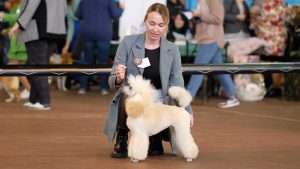
Poodles and Bichon type dogs can suit owners who want intelligence, manageable size and lower shedding. They are often bright, responsive and people focused.
The trade off is grooming. A coat that sheds less usually needs more maintenance. Budget for professional grooming and regular brushing at home. Matting is uncomfortable, so this is welfare care, not cosmetic fuss.
Cocker Spaniels and Cockapoos are popular because they are cheerful, affectionate and highly involved in family life. They can be brilliant first dogs for owners who want an active companion and are ready to train, walk and play every day.
They are not always the easiest option for a very quiet household. Many need plenty of sniffing, training and controlled play. For active dogs, Dog Toys that suit safe, structured play can help, but they should support good habits rather than replace walks or training.
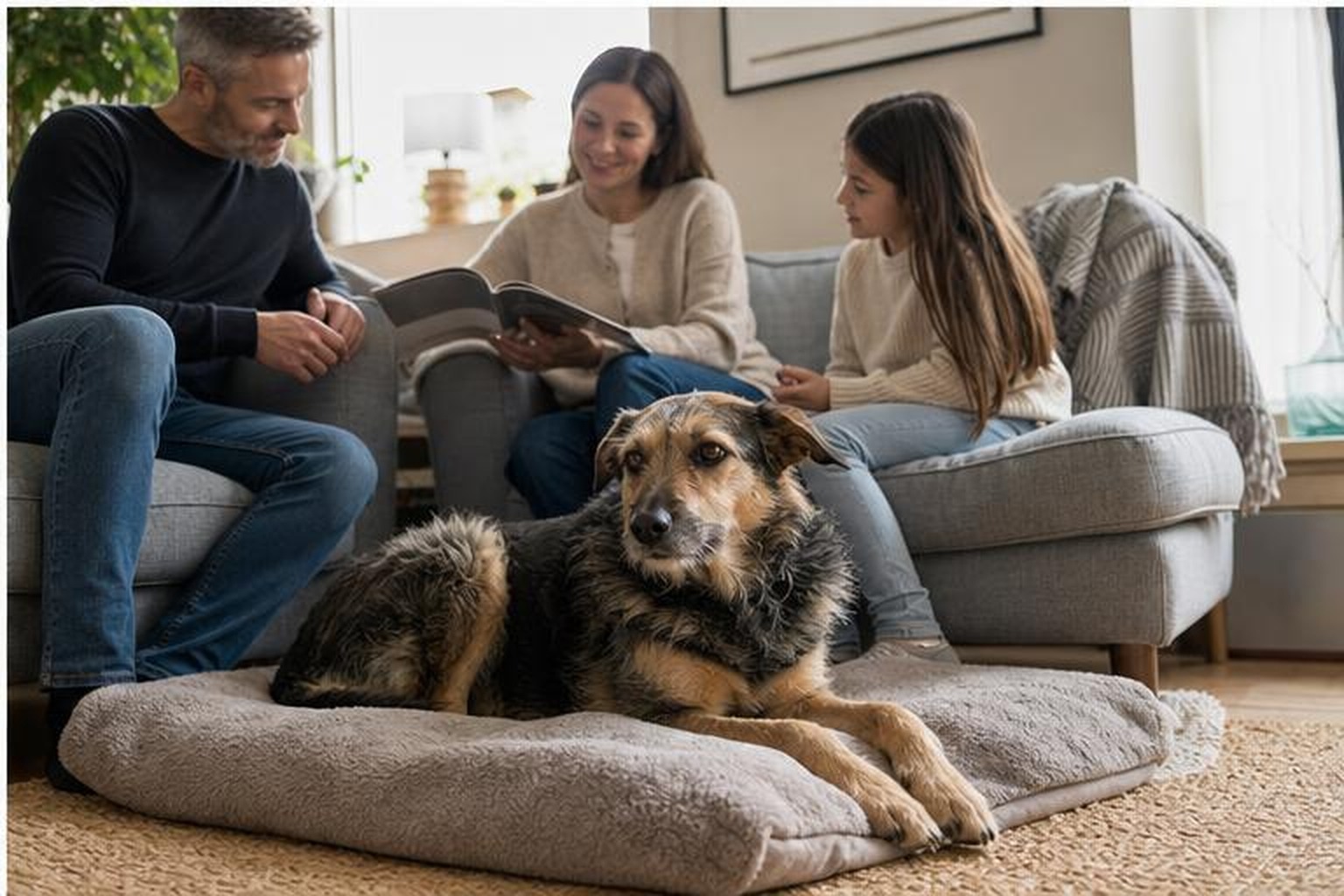
Many first time owners picture a puppy first, but an adult dog can sometimes be the easier, kinder and more realistic choice.
A puppy gives you the chance to shape habits from the start. You can build confidence, routines and socialisation carefully. The cost is time. Puppies need supervision, toilet training, night settling, bite inhibition, safe exposure to the world and regular rest.
If you choose this route, read Bark Boutique’s guide to raising a puppy from the first week onwards before you commit.
An adult dog may already have some training and a clearer temperament. A good rescue will help match the dog to your home, experience, children, working pattern and confidence. That support can be very valuable for a first time owner.
The trade off is that some adult dogs come with habits, anxieties or gaps in socialisation. That does not make them a bad choice. It means you need honest information, time to settle them in and a plan if signs that anxiety may be part of the picture appear.
If you are choosing between puppy and adult dog, ask yourself this simple question, do you want to teach everything from scratch, or would you rather work with a more established personality?
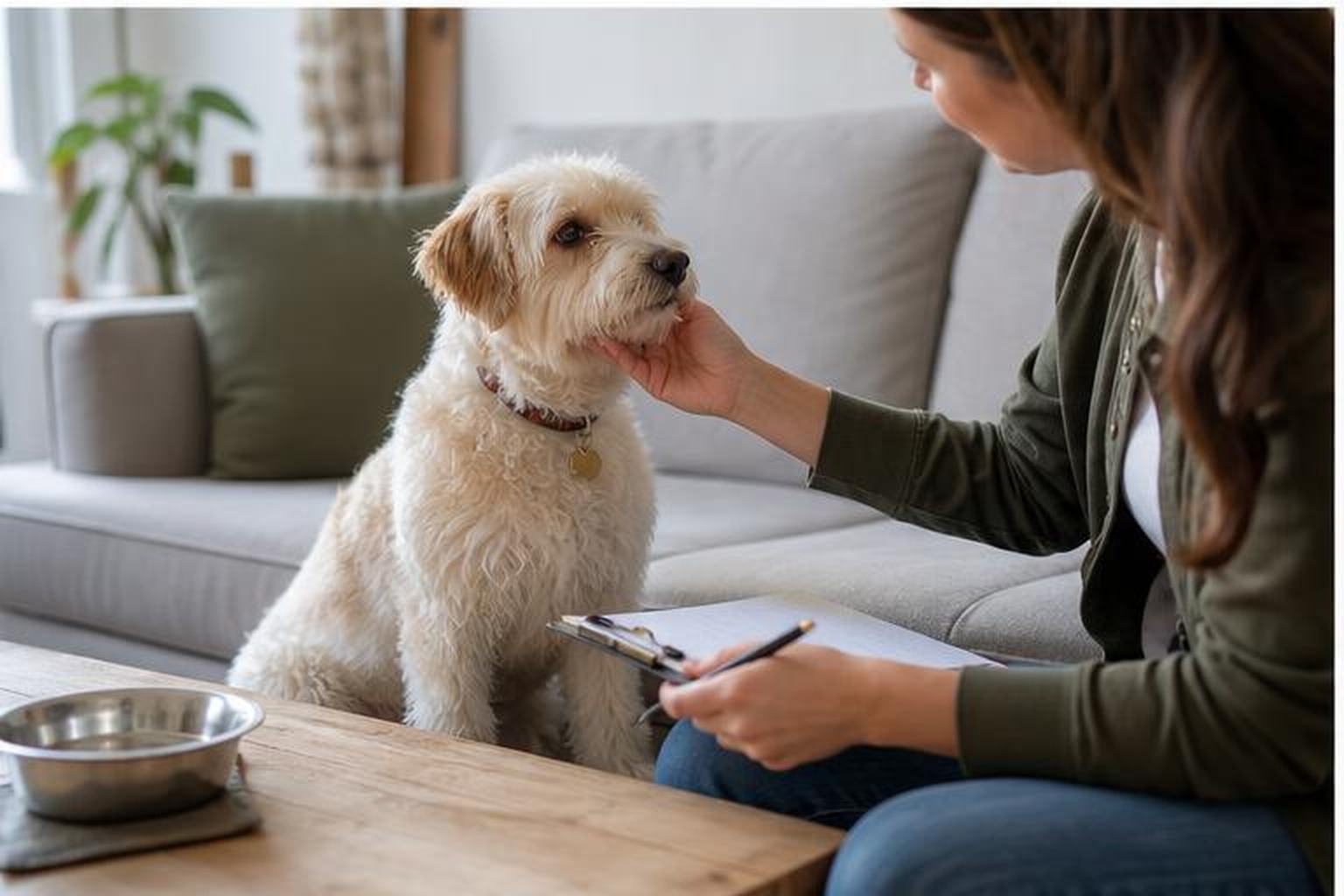
The best breed choice is made on a normal Tuesday, not an imagined perfect Saturday. Be honest about your home, work, energy and budget.
Start with these questions:
A small dog is not automatically easy. A large dog is not automatically hard. A quiet Greyhound may be easier in a flat than a frustrated working Cocker Spaniel. A Labrador may be ideal for an outdoorsy family but too much for someone who wants short strolls only.
Walking equipment is part of the practical picture. A first time owner benefits from a robust Dog Lead that gives you practical control, especially while learning how the dog behaves around traffic, other dogs and busy parks. For short coated, small or older dogs, weather protection for wet, cold walks can make winter routines easier to maintain.
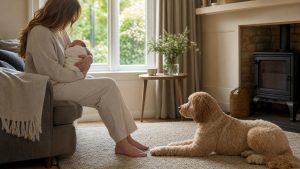
Family context matters too. If you have young children, or if you’re expecting a baby in the near future, factor that in before choosing.
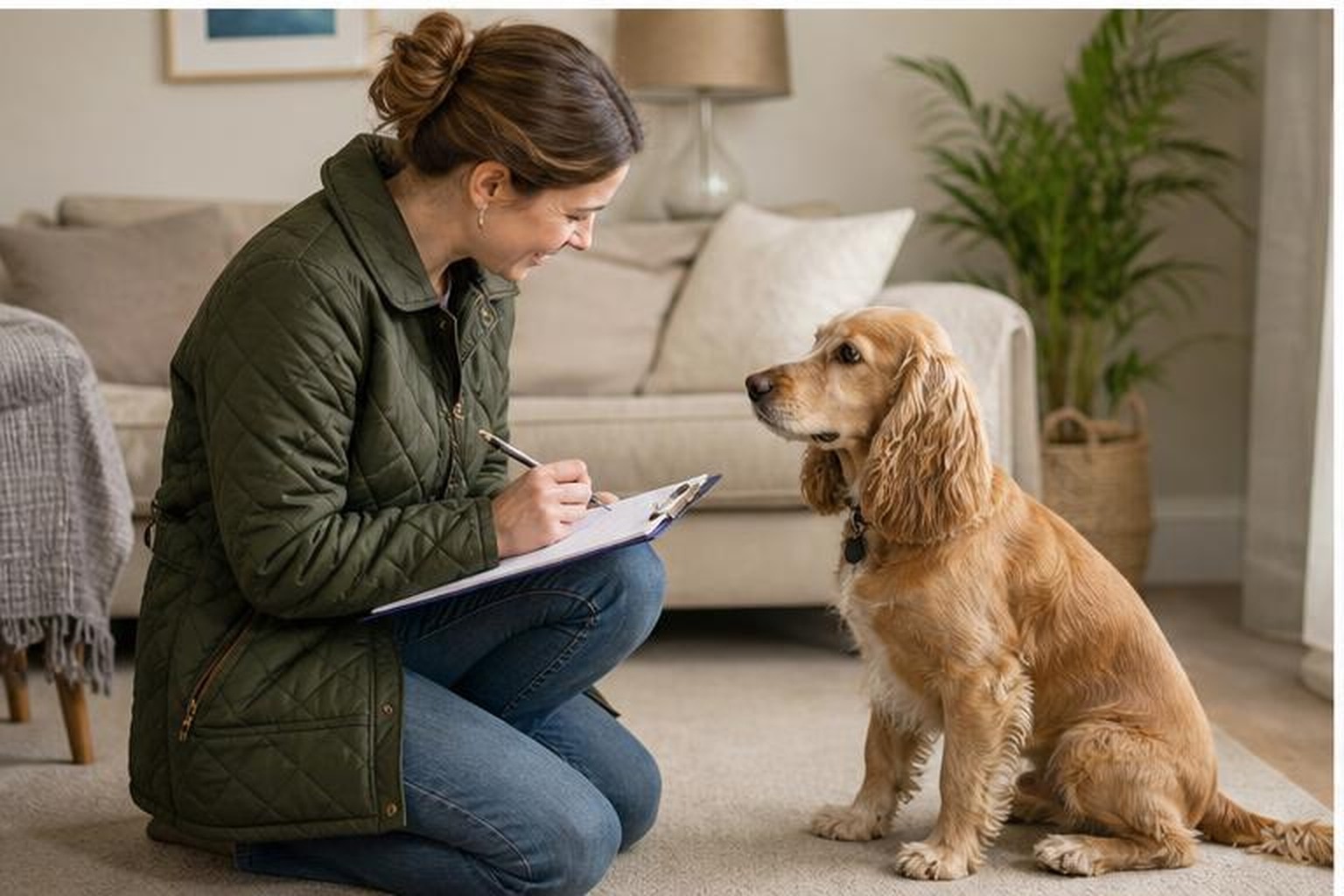
Some breeds are excellent dogs in the right hands but demanding first dogs. The point is not to label them as bad. It is to be realistic about how much experience, exercise and structure they may need.
Border Collies, Belgian Malinois, some working line spaniels and similar high drive dogs can be extraordinary. They can also be exhausting for a first time owner who wants an easy family pet.
These dogs often need significant mental work, controlled outlets and skilled training. Without that, they may invent their own jobs, such as chasing, barking, guarding, herding children or destroying household items.
Flat faced breeds and dogs bred for extreme body shapes can have serious health and welfare challenges. The RSPCA warns that exaggerated features can affect breathing, movement, skin, eyes, backs and quality of life.
If you are drawn to a breed with a short muzzle, very long back, very heavy frame or other extreme features, speak to a vet and research health issues carefully and choose only from responsible breeders that prioritise welfare.
Large and powerful breeds can be loving family dogs, but size changes everything for a new owner. Pulling on lead, jumping up, guarding behaviour, car travel and vet visits all become harder when the dog is physically strong.
If your heart is set on one, spend time with adult examples of the breed first. Do not base the decision on puppy photos.
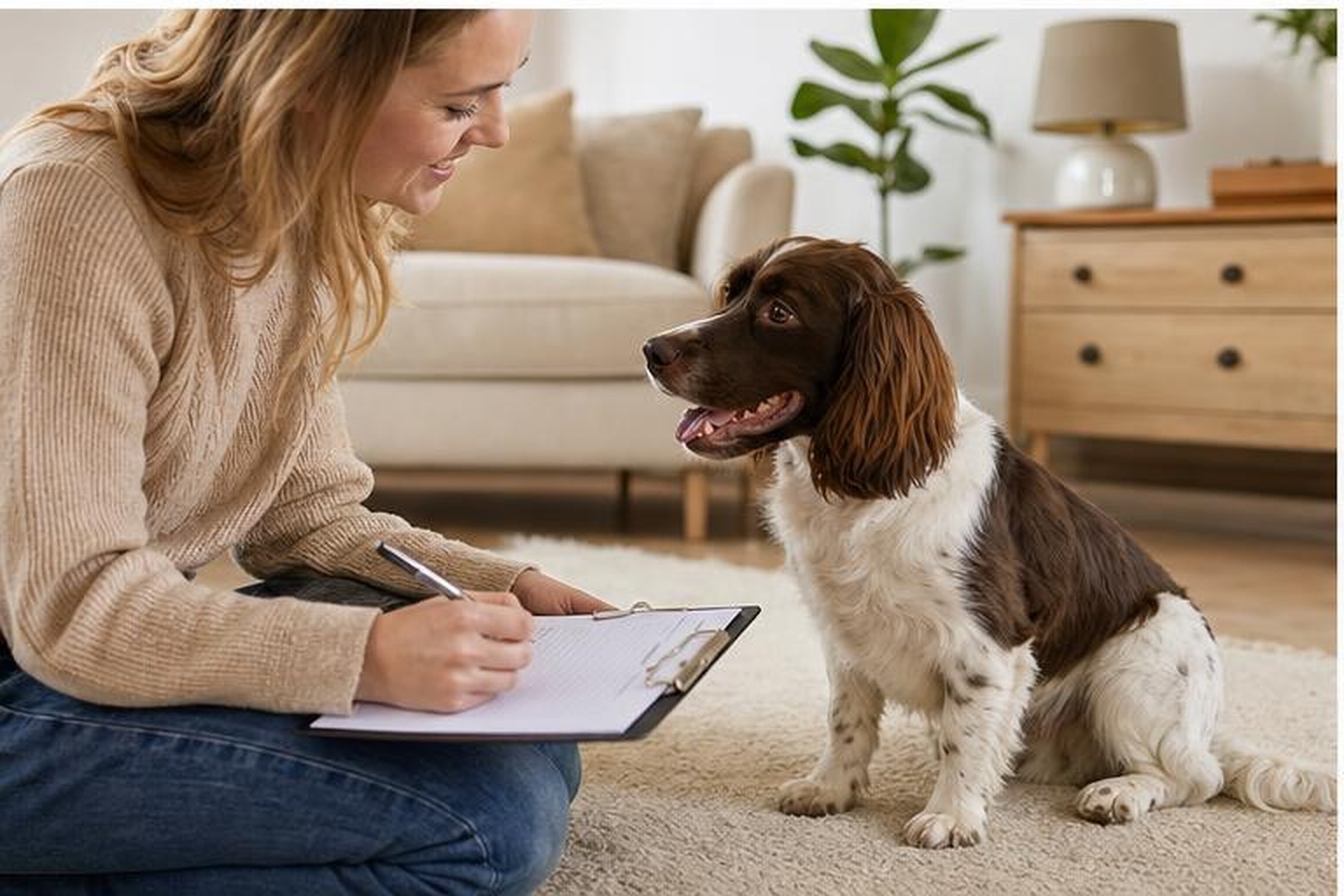
Where your dog comes from matters as much as the breed. A well bred or carefully matched dog has a better chance of growing into a healthy, stable companion.
For a breeder, look for someone who:
Dogs Trust notes that responsible breeders are usually happy to answer questions and should care where their puppies are going. PDSA also advises avoiding third party sellers and using proper checks such as the Puppy Contract.
For rescues, look for thoughtful matching rather than speed. A good rescue will discuss your home, routine, children, other pets and experience level. They may also offer aftercare, training advice and a settling in plan.
Walk away if something feels wrong. Feeling sorry for a puppy is understandable, but buying from a poor source can fund the same problem again.
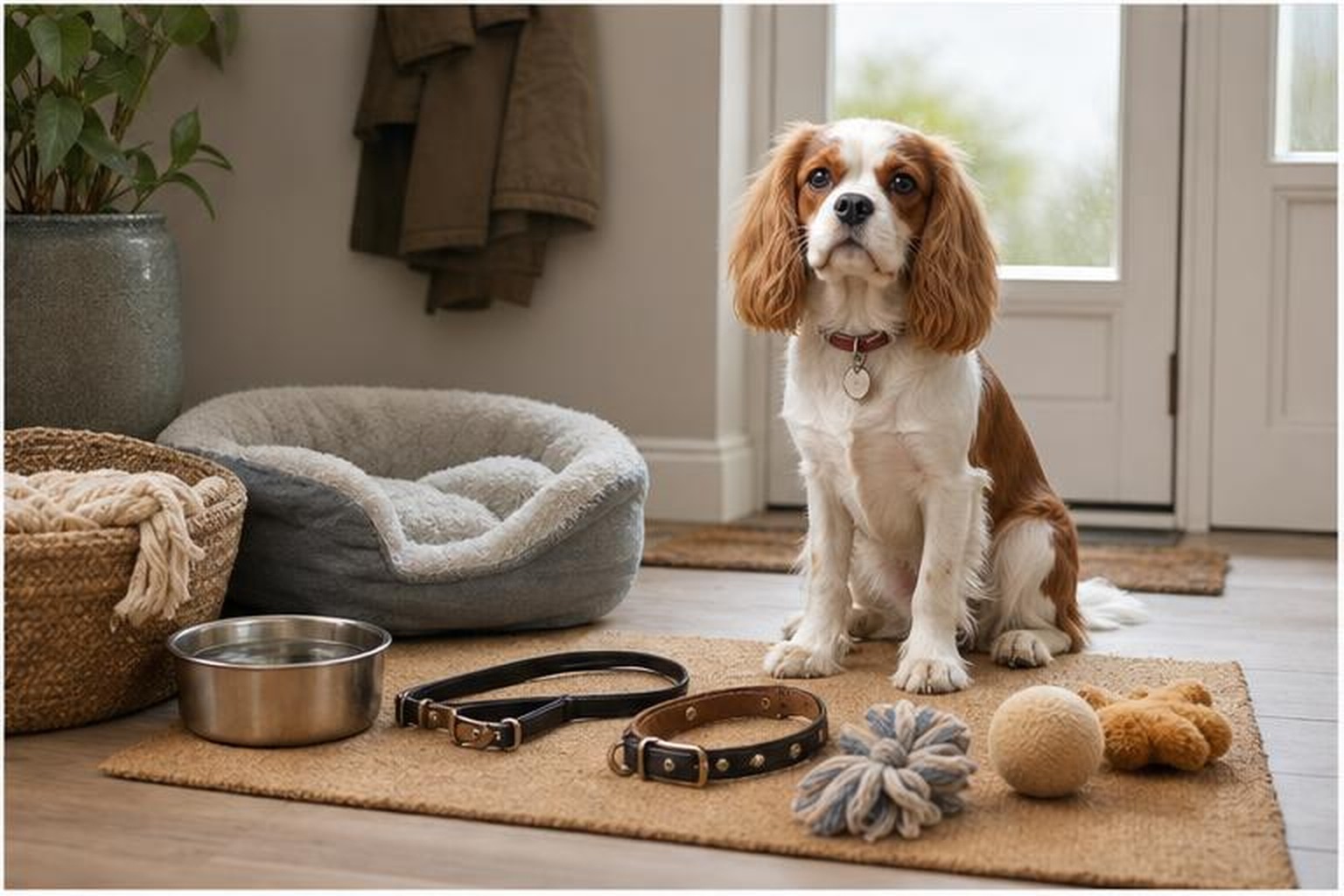
Once you have chosen the right dog, the next job is making the first week calm and predictable. Do not wait until the dog arrives to solve the basics.
Prepare these before collection day:
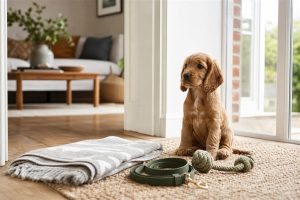
Useful kit should make daily care easier, not more complicated. A comfortable collar with reflective detail is a sensible basic for darker walks. If your dog finds settling difficult, a lick mat that gives them a calm job to focus on can support quiet routines, provided it is used as part of proper care rather than a way to ignore distress.
For the full settling plan, read your puppy’s first week at home. Many of the same principles also help adult rescue dogs; routine, patience, supervision and low pressure introductions.
The best dog breed for a first time owner is one whose needs fit comfortably into everyday life. Exercise, grooming, health, temperament and time alone all deserve careful consideration before you commit.
Use breed traits as a starting point, then get to know the individual dog. Speak openly with a responsible breeder or rescue, ask about health and behaviour, and be realistic about the care you can provide.
Whether you choose a puppy or an adult dog, patience, kind training and a consistent routine will help you build a trusting relationship for years to come.
What is the easiest dog breed for a first time owner? There is no guaranteed easiest breed, but Cavaliers, Labradors, Golden Retrievers, Whippets, Greyhounds, Poodles and Bichon-type dogs are often manageable when matched to the right home.
Are small dogs better for first-time owners? Not always. Small dogs are easier to lift and house, but some are busy, vocal or grooming-heavy. Temperament and daily needs matter more than size alone.
Is a Labrador a good first dog? Yes, for active homes prepared for training, shedding, food management and daily exercise. A young Labrador can be strong and lively, so do not mistake friendly for effortless.
Should a first-time owner get a rescue dog? A rescue dog can be an excellent first dog if the rescue gives honest matching and aftercare. Adult dogs can be calmer and more predictable than puppies, but they still need time to settle.
Which breeds should beginners avoid? Beginners should be cautious with high-drive working breeds, very powerful breeds and dogs with extreme physical features unless they have expert support and a lifestyle that genuinely fits the dog.
The right first dog is not the breed that sounds impressive. It is the dog you can care for well, train kindly and live with happily on ordinary days. Choose for fit, not fashion, and your first dog has a much better chance of becoming the companion you hoped for.
There is no guaranteed easiest breed, but Cavaliers, Labradors, Golden Retrievers, Whippets, Greyhounds, Poodles and Bichon-type dogs are often manageable when matched to the right home.
Not always. Small dogs are easier to lift and house, but some are busy, vocal or grooming-heavy. Temperament and daily needs matter more than size alone.
Yes, for active homes prepared for training, shedding, food management and daily exercise. A young Labrador can be strong and lively, so do not mistake friendly for effortless.
Beginners should be cautious with high drive working breeds, very powerful breeds and dogs with extreme physical features unless they have expert support and a lifestyle that genuinely fits the dog.
Which breeds should beginners avoid?
The right first dog is not the breed that sounds impressive. It is the dog you can care for well, train kindly and live with happily on ordinary days.
Choose for fit, not fashion, and your first dog has a much better chance of becoming the companion you hoped for.