

At Bark Boutique, we spend a lot of time helping dog owners prepare for real world situations like travel, seasonal changes, and keeping dogs comfortable in different environments.
Planning international travel with your dog might seem overwhelming at first, especially since Brexit changed everything about pet travel.
But here’s the truth, thousands of dog owners successfully navigate these new rules every year, and with proper preparation, you can too.
The key is understanding what’s actually required, and planning far enough ahead to avoid last minute panic.
This guide cuts through the confusion and shows you exactly what you need to do, when you need to do it, and how to make the journey comfortable for you and your dog.
Quick Answer – To take a dog abroad from the UK, your dog must be microchipped, vaccinated against rabies, and issued with an Animal Health Certificate before travelling.
Here’s what you actually need:
These rules apply to most dogs travelling from Great Britain to EU countries. The entire process takes 6-8 weeks to complete properly, so early planning is essential.

Most European destinations welcome UK dogs.
France offers the easiest access, with Channel Tunnel and ferry connections getting you there in under four hours. Perfect for nervous first time travellers.
Want beaches and sunshine? Spain works brilliantly, though you’ll either drive through France or fly direct. Most coastal regions genuinely welcome dogs. Pack a Cooling Vest for those warmer Mediterranean days.
For longer adventures, consider Italy. The gradual journey through France helps dogs adjust, and Italian hospitality extends warmly to visiting dogs.
Germany excels at systematic pet accommodation. Their organised approach means finding suitable places to stay rarely causes problems.
The Netherlands provides straightforward ferry access and a genuinely dog friendly culture throughout the country.
While EU countries share basic pet travel requirements, some add extras. Finland, Ireland, Malta and Norway all require additional tapeworm treatment. Switzerland, being non-EU, operates under different rules entirely.
Many owners also enjoy discovering dog friendly destinations closer to home before planning longer European trips.

Here’s where most people get caught out, thinking they can sort everything a couple of weeks before travel.
Start with the fundamentals. Check your dog’s microchip details are current and the chip actually works when scanned. Contact the database to verify your details match reality.
No microchip yet? Book this immediately. It must happen before rabies vaccination, or the vaccination won’t count for travel purposes.
Next, book a rabies vaccination if needed. Your dog must be at least 12 weeks old, and there’s a mandatory 21 day waiting period before travel.
Find a vet authorised to issue Animal Health Certificates. Not every veterinary practice can do this, and availability varies by region. Book an appointment slot roughly 10 days before your planned departure.
Consider travel insurance specifically for your destination and length of stay.
Research your transport options properly. Ferry crossings, Channel Tunnel, or flying all require advance bookings for pet travel. Popular routes get fully booked during school holidays and summer months.
Book accommodation that genuinely welcomes dogs. Read policies carefully because “pet friendly” can mean different things in different places.
Start training your dog for extended travel if needed. Dogs unaccustomed to long car journeys benefit from gradual conditioning.
Confirm your Animal Health Certificate appointment with your vet. Gather all required documents including vaccination records, microchip details, and destination information.
Complete transport bookings if you haven’t already. Check any specific requirements your chosen operator has regarding crates, documentation, or check in procedures.
If travelling to a country requiring tapeworm treatment, book the appointment for the correct window before departure.
Attend your Animal Health Certificate appointment. Your vet will examine your dog, verify all vaccinations and microchip details, then issue the certificate valid for your specific destination and travel dates.
Double check all travel bookings, accommodation confirmations, and documentation is ready for departure.
Complete tapeworm treatment for countries that require it. The timing window is strict, so don’t leave this until the last minute.
Pack systematically to avoid forgetting essentials on departure day.
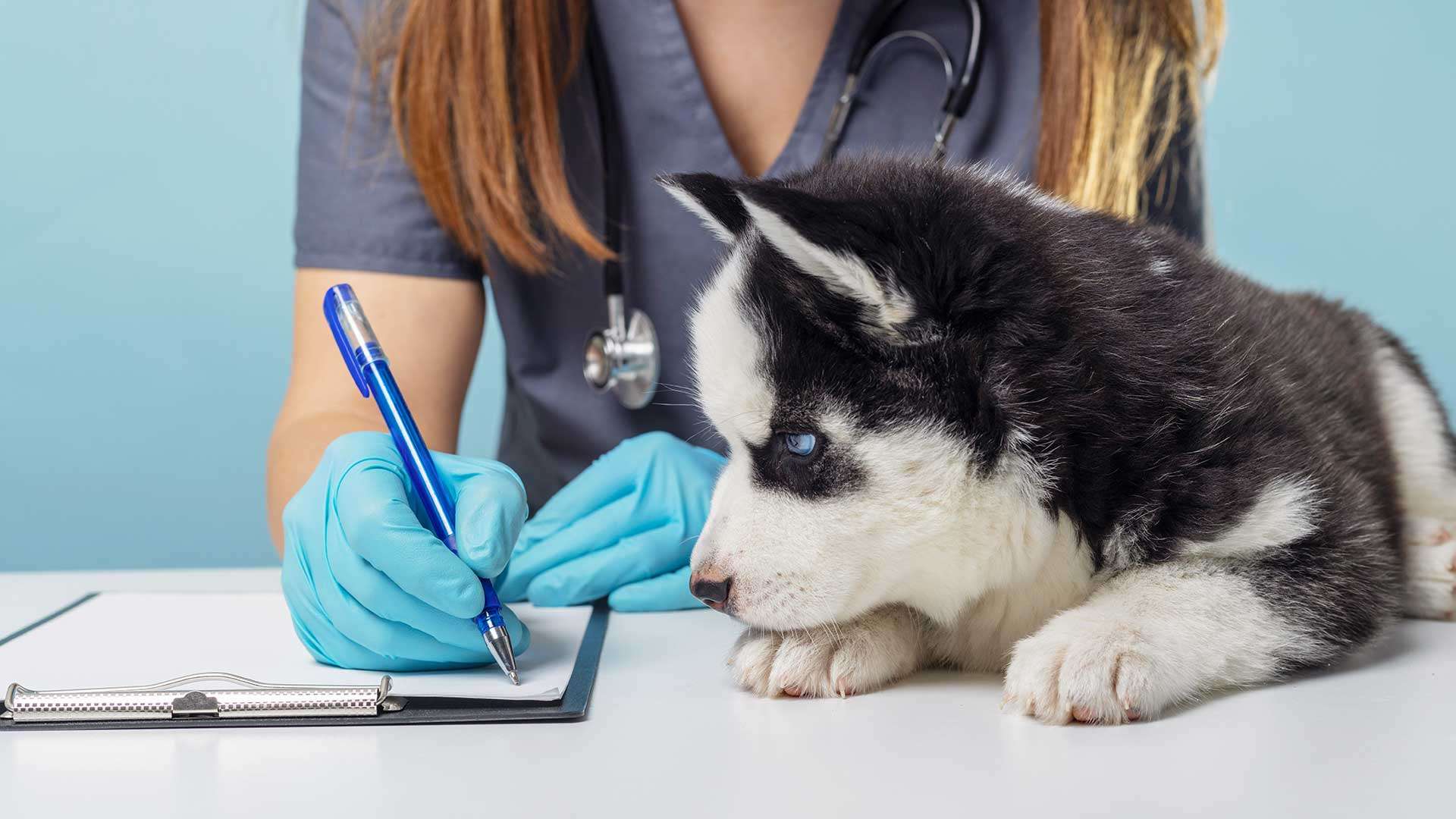
Animal Health Certificates replaced pet passports for UK dogs travelling to EU countries after Brexit. Each certificate covers one specific journey to named destinations within a four month validity period.
Your vet must be approved by the Animal and Plant Health Agency to issue these certificates. They’ll examine your dog, verify vaccinations and microchip details, then complete the certificate for your specific destination.
The process costs approximately £150-£300 depending on your veterinary practice and destination requirements.
Key requirements your vet will check – Microchip implanted before vaccinations. Valid rabies vaccination administered at least 21 days before travel, current destination information, and any additional treatments required by your destination country.
You can travel to multiple EU countries on one certificate, provided they’re listed on the document. Return travel to the UK requires completing the same process again from an EU approved vet.
Some destinations add extra requirements beyond the standard certificate. Malta, Finland, and Ireland require tapeworm treatment administered 1-5 days before arrival.
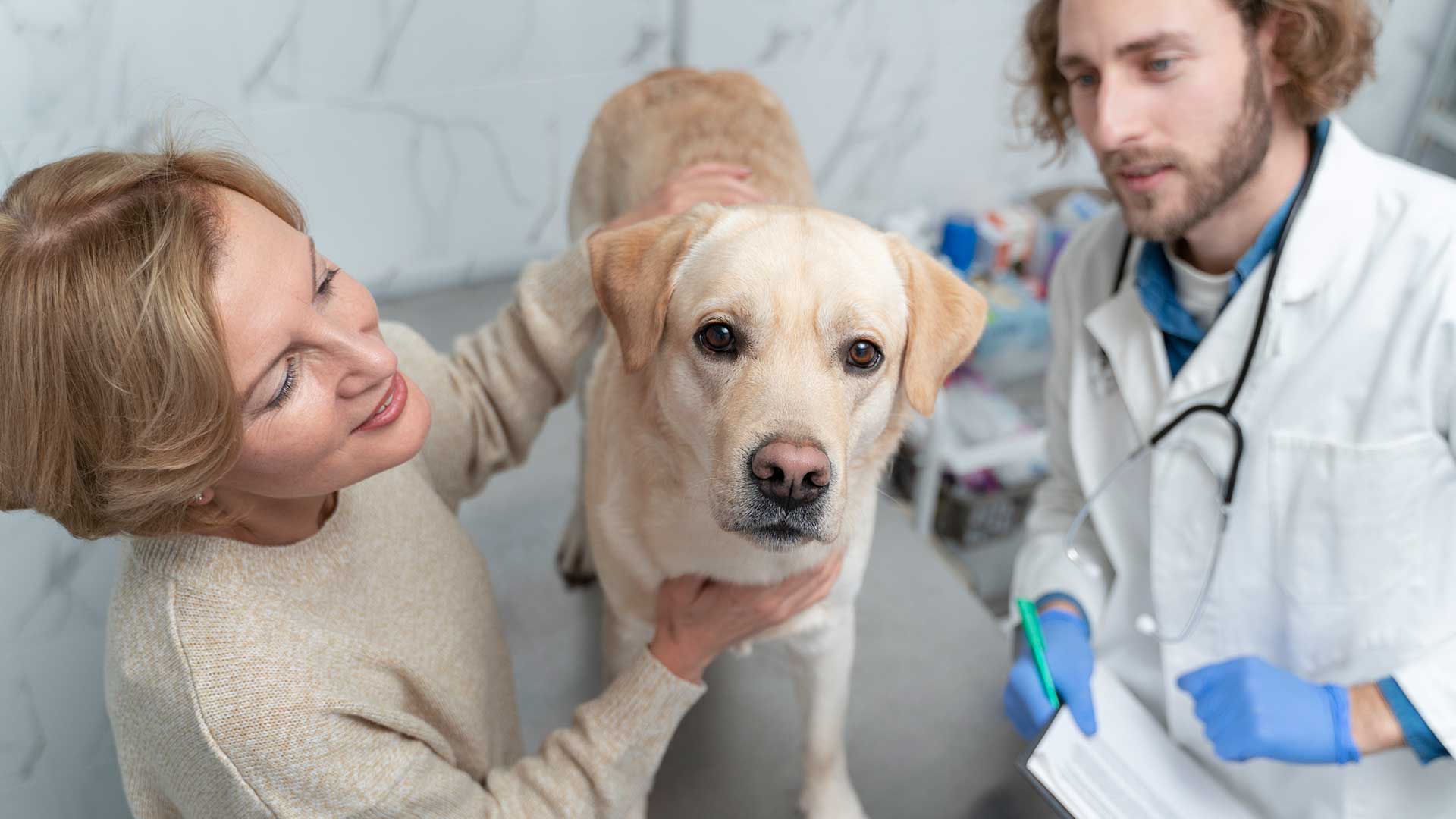
Microchipping must happen before rabies vaccination, or the vaccination won’t count for travel purposes. The microchip number gets permanently linked to your dog’s vaccination record.
Standard UK microchips work throughout Europe, but older chips might need specific scanners. Verify your chip is readable and details are current before booking travel.
Your dog must be at least 12 weeks old for rabies vaccination. The vaccination provides immunity after 21 days, creating a mandatory waiting period before travel.
Annual rabies boosters maintain validity for EU travel. Let vaccination coverage lapse, and you’ll need to restart the process including the 21 day waiting period.
Keep physical and digital copies of vaccination records. Border officials will cross reference dates with your Animal Health Certificate.
Vaccinations administered outside the UK require extra documentation to prove they meet EU standards. Consult an approved vet before relying on foreign vaccination records.

Most travel stress comes from unfamiliarity rather than actual discomfort. Preparation makes an enormous difference to your dog’s experience.
Start with short practice runs. Take 10-15 minute car journeys initially, gradually extending duration. Watch for signs of travel sickness or anxiety, and address these before planning international travel.
If your transport provider requires crates, allow several weeks for proper crate training. The space should feel positive and safe, not like punishment. Use treats, favourite bedding, and gradual introduction to build positive associations.
Maintain familiar routines during travel. Regular meal times, exercise periods, and rest schedules help reduce anxiety. Sudden changes to routine often increase stress levels unnecessarily.
For anxious dogs, consider natural calming aids like pheromone sprays or anxiety wraps.
Understanding signs of anxiety in dogs helps you support them better. Severely anxious dogs might benefit from discussing prescription medication with your vet, though this requires advance planning.
Practice basic handling exercises too. Border officials may need to examine your dog or check their microchip, so comfort with strangers matters.
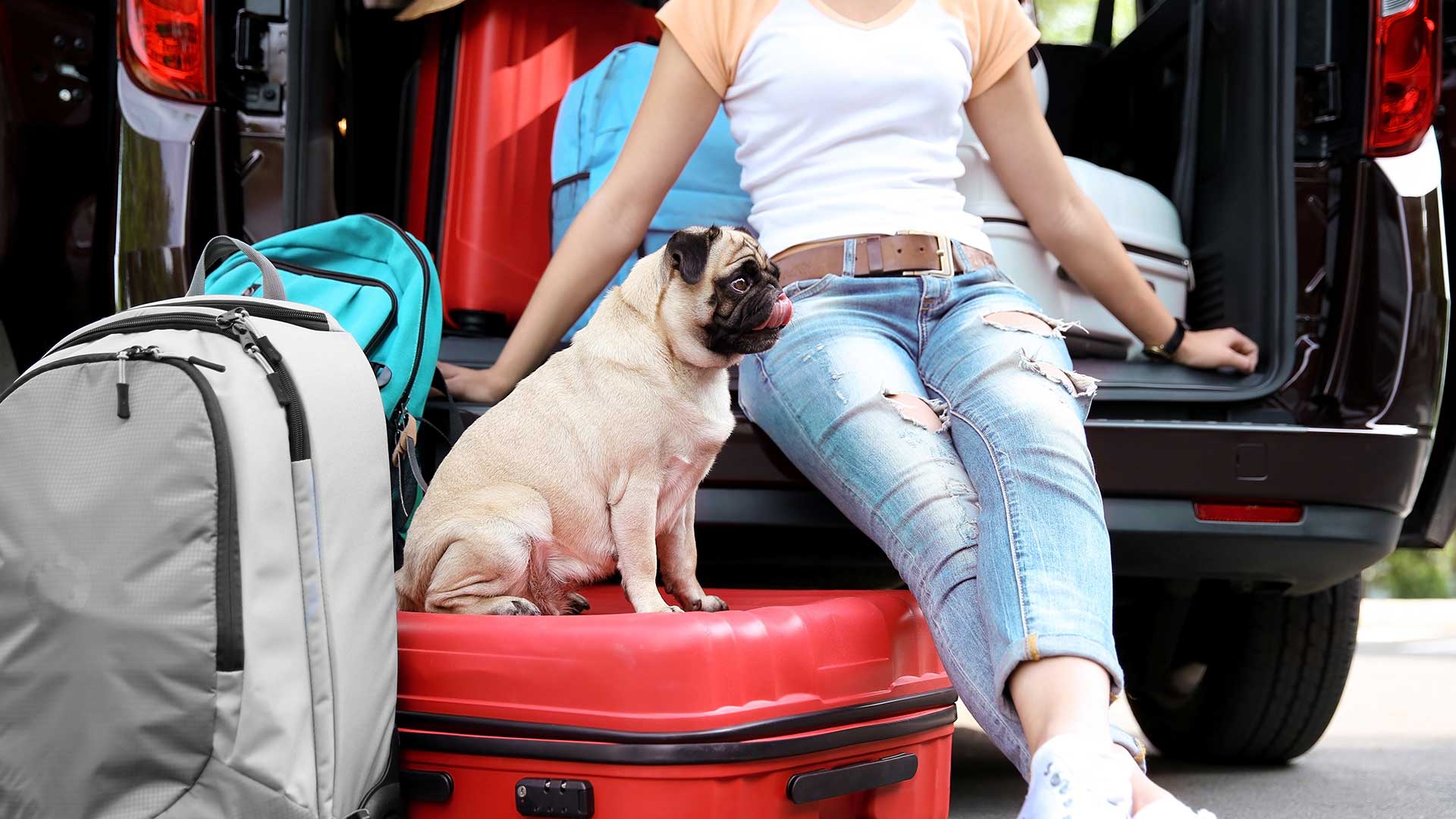
Systematic packing prevents forgotten essentials and reduces stress for everyone. Here is a list of things to consider:
Your Animal Health Certificate, vaccination records, microchip registration details, pet insurance documents, and emergency vet contact information for your destination.
Pack sufficient food for the entire journey plus several extra days. Familiar treats provide comfort and motivation. Collapsible bowls work brilliantly for travel, and consider bringing water from home if your dog has a sensitive stomach.
Any regular medications your dog takes. A basic first aid kit including gauze, antiseptic wipes, and tick removal tools.
For summer destinations, a cooling vest helps keep your dog comfortable in warmer weather. Towels for post beach visits or unexpected rain.
Familiar scents provide significant comfort in new environments. That slightly grubby blanket your dog loves? Pack it.

Taking a dog abroad from the UK involves several predictable expenses. Understanding these helps with realistic budget planning.
Veterinary documentation – £150-£300 for Animal Health Certificates, plus additional costs for any required treatments like tapeworm medication.
Transport fees
Accommodation supplements – Dog friendly accommodation often includes cleaning charges or accommodation supplements ranging from €10-€50 per night.
Travel insurance – Specific pet travel insurance costs approximately £30-£80 for typical European holidays, though this varies by destination and coverage level.
Additional expenses – Emergency vet fees abroad, extra food if brands aren’t available locally, and possible quarantine costs if documentation problems arise.
Total realistic budgets typically range from £250-£500 for European travel, not including your normal accommodation and transport costs.
Compare costs carefully with professional pet boarding services. Sometimes the mathematics favour leaving your dog in familiar surroundings, particularly for shorter trips.
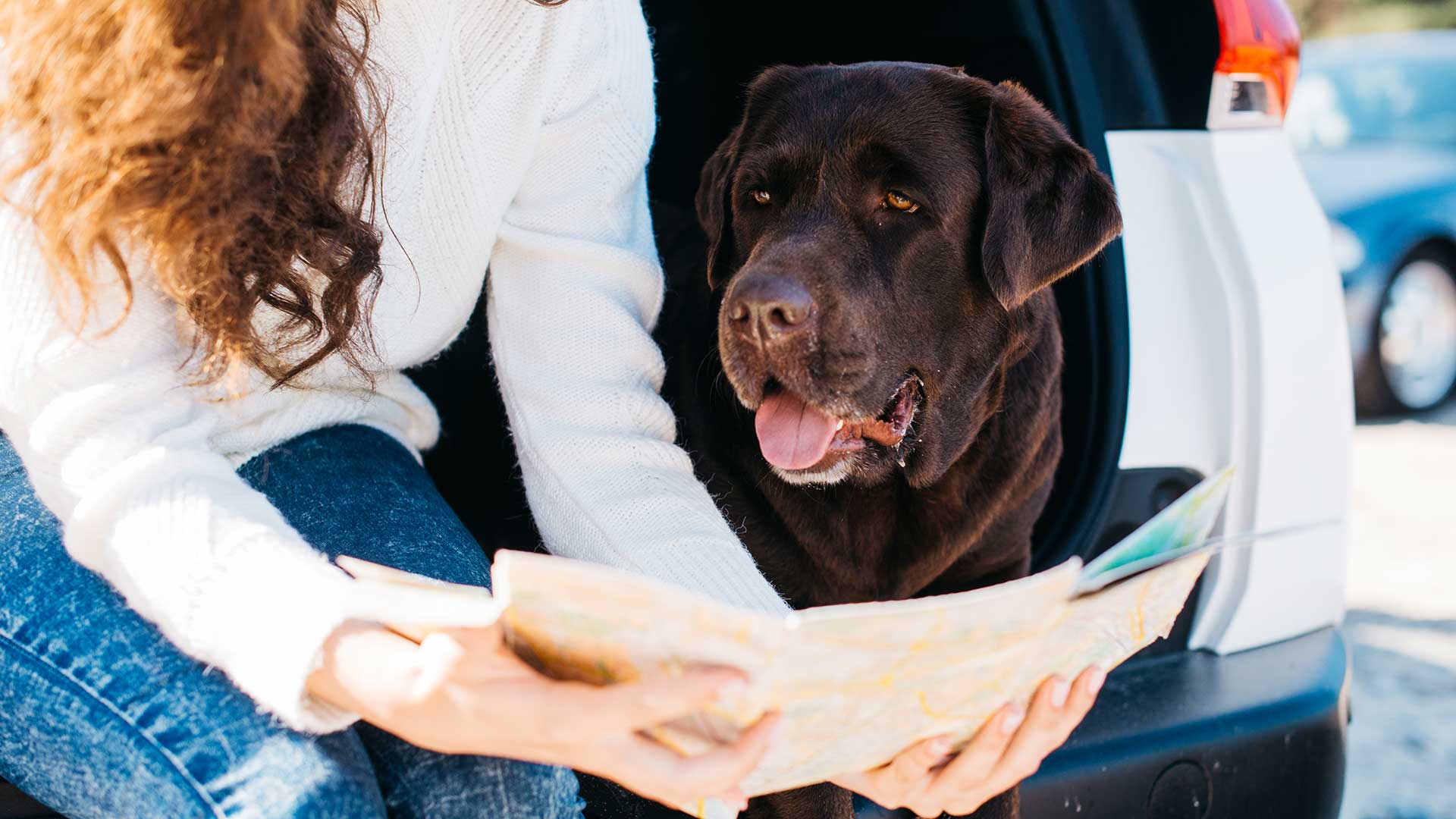
Most dog owners heading to Europe choose either the Channel Tunnel or a ferry crossing. Each option suits different dogs and different journeys.
Le Shuttle remains incredibly popular for good reasons. Frequent departures between Folkestone and Calais, with crossings taking approximately 35 minutes.
Dogs stay in your car throughout the journey. No kennels, no separation, no disruption to their routine. Just a slightly longer car journey with a brief underground section.
The terminals include proper exercise areas at both ends, allowing comfort breaks before and after crossing.
You can’t access your car during transit, so make sure your dog is comfortable before boarding.
Booking costs typically range from £20-£40 for dogs, depending on season, plus your vehicle fare. Advance booking usually offers better prices and guaranteed space.
Ferry crossings offer longer journey times but more flexibility during transit. Portsmouth to Caen takes approximately seven hours, during which you can access your dog and provide comfort breaks.
Many ferry operators provide designated pet exercise areas on deck, though these are small and can become crowded during peak times.
Consider overnight ferries for longer European destinations. Dogs often settle better during longer crossings than they do during multiple shorter car journeys.
Cabin bookings with pets require advance planning and cost more than standard accommodation. Pet friendly cabins get booked up quickly during school holidays.
Weather conditions affect ferry crossings more than Channel Tunnel services. Rough crossings can be uncomfortable for dogs prone to motion sickness.
Flying introduces significant complications and costs. Most airlines treat dogs as cargo rather than passengers, requiring crates and separation during flight.
Documentation requirements become more complex, often including additional health certificates and longer advance booking periods.
Cargo areas maintain appropriate temperature and pressure, but dogs sensitive to change may find the experience extremely stressful.
Costs increase dramatically, expect £200-£500 additional charges for European flights, plus crate rental if needed.
Summer temperature restrictions and winter weather delays affect availability. Some airlines suspend pet cargo services during extreme weather periods.
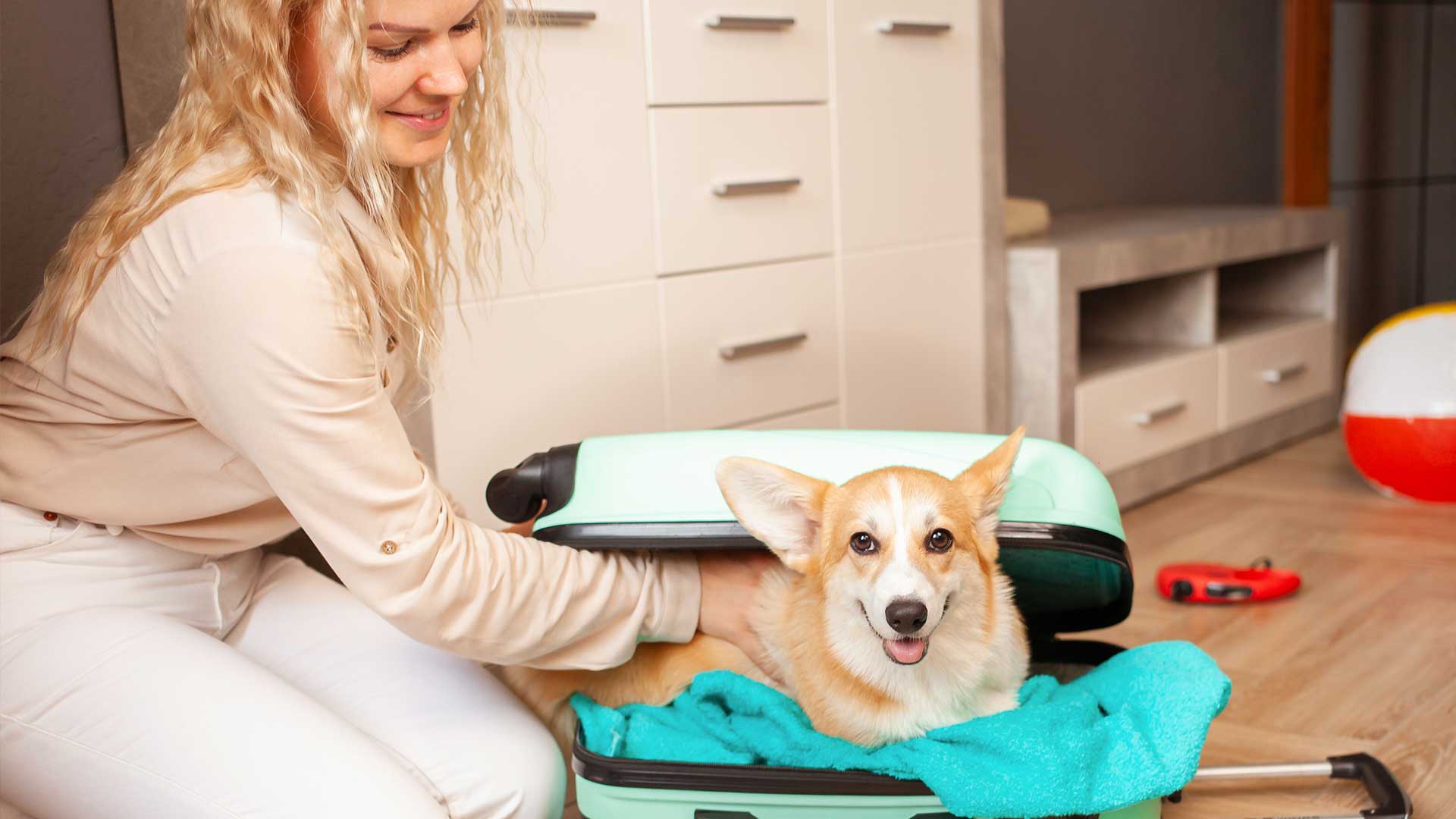
Most international dog travel problems are preventable with proper preparation. Here are the issues that cause real difficulties:
Microchip numbers that don’t match certificates, expired vaccinations, or incorrect destination details can prevent travel entirely. Always verify details carefully when booking appointments and receiving certificates.
Transport booking confusion creates expensive last minute problems.
Many people assume they can simply turn up with their dog. Advance booking is mandatory for all approved transport options. Peak season availability gets limited quickly.
Many places claim to welcome dogs but then impose restrictions that make stays miserable for everyone. Size limits, additional charges, or rules about furniture access often get mentioned only after booking. Reading policies carefully and confirming details when booking prevents unpleasant surprises.
Transport company policies vary dramatically between operators. Crate size requirements, feeding restrictions, and documentation procedures differ significantly.
Research thoroughly rather than assuming all companies work the same way.
Never book expensive, non-refundable travel before confirming all pet documentation is complete and correct. One missing piece can derail the entire trip.
Testing your dog’s tolerance for extended car journeys should happen long before committing to international road trips. A dog that struggles with 30 minutes in the car will not magically improve during a 12 hour journey to Italy.
Pack sufficient familiar food and comfort items. Dogs settling into new environments rely heavily on familiar scents and routines. That slightly grubby blanket or favourite toy matters more than you might think.
Emergency veterinary contacts for your destination provide valuable peace of mind. You probably won’t need them, but knowing where to go eliminates panic if problems arise.
Weather considerations matter enormously. Travelling during extreme temperatures without considering your dog’s specific needs and limitations can quickly turn dangerous. A quality Dog Coat becomes essential for colder European destinations, while cooling products help with warmer climates.
Planning ahead and maintaining good communication with all service providers prevents most issues before they develop into serious problems.
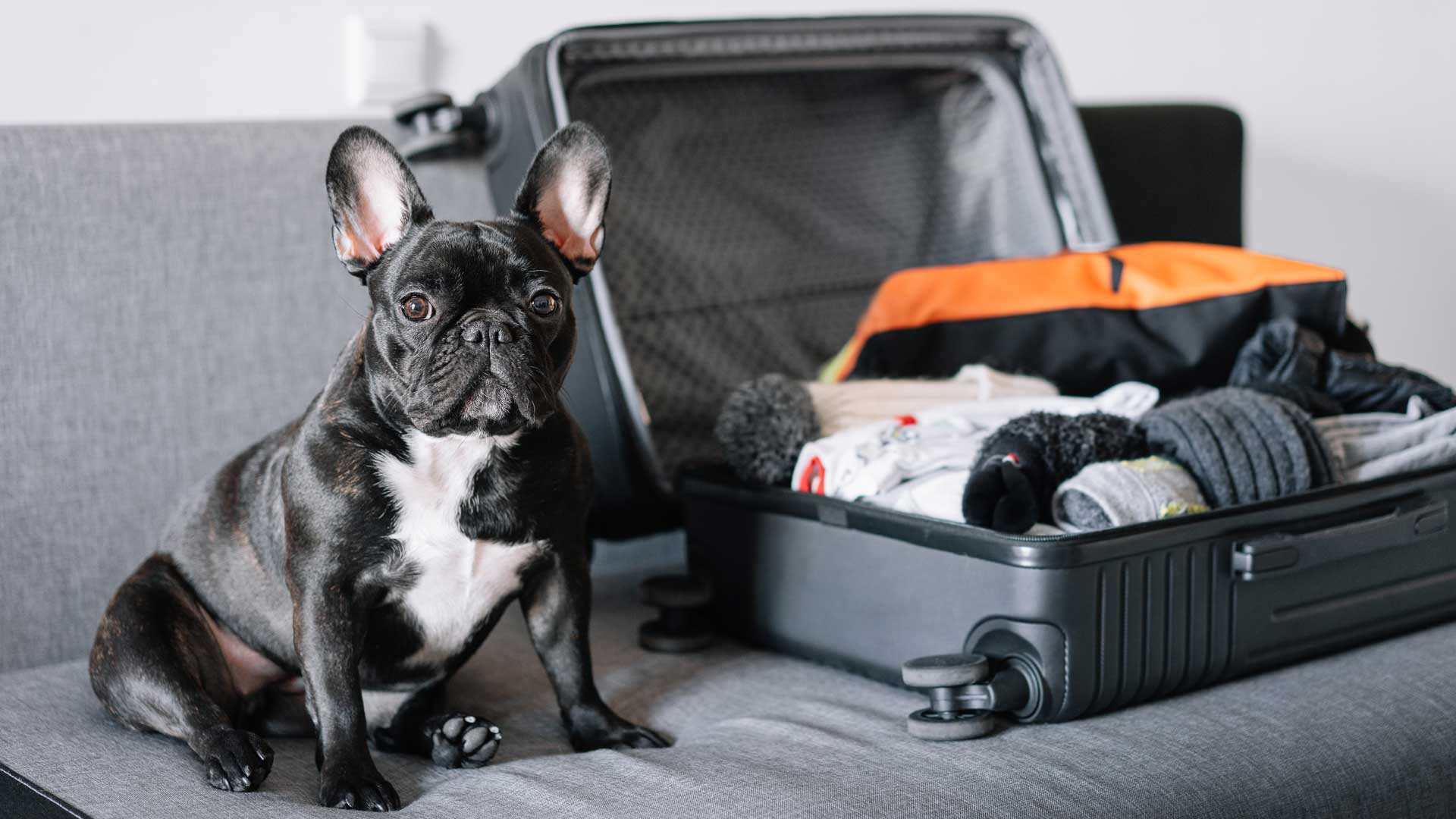
Not every dog suits international travel, and honest assessment prevents miserable experiences for everyone involved.
Dogs that typically travel well – Confident, adaptable dogs that enjoy car journeys and cope well with routine changes. Dogs comfortable around strangers and different environments. Dogs without significant health issues or mobility problems.
Consider alternatives for – Dogs with severe anxiety, motion sickness, or aggressive tendencies. Very young puppies or elderly dogs with health complications. Dogs requiring complex medication schedules or special dietary requirements.
Short breaks often aren’t worth the stress for nervous dogs. Consider whether a week away justifies weeks of preparation and potential anxiety.
Professional pet sitting or boarding might provide better experiences for dogs that struggle with change or travel stress.
Factor in your dog’s personality and preferences alongside your own travel desires. A stressed, unhappy dog will impact everyone’s holiday experience.
Preparing dogs for travel takes time, and gradually building confidence during shorter trips often makes longer journeys far easier.
Only specific routes and operators can legally transport pets between the UK and EU countries. Using unauthorised services risks serious legal and health complications.
| Transport Method | Approved Operators | Key Requirements | Booking Notice |
| Ferry Services | Brittany Ferries, DFDS Seaways, Stena Line | Pet accommodation booking, advance documentation | 2-4 weeks recommended |
| Eurotunnel | Le Shuttle only | Designated pet reception, microchip scan | 1-2 weeks minimum |
| Airlines | British Airways, Lufthansa, Air France | Cargo crates, additional health certificates | 4-8 weeks required |
Brittany Ferries covers Portsmouth to Caen, Portsmouth to Le Havre, and Plymouth to Roscoff. DFDS Seaways operates Dover to Calais and Dover to Dunkirk services. Stena Line runs Harwich to Hook of Holland.
Each maintains different policies for pet accommodation, booking procedures, and documentation requirements. Always confirm approval status when booking, as routes occasionally change without much notice.
Le Shuttle operates the only approved rail service for pet travel between the UK and EU. Every pet journey requires advance booking, with specific terminals at Folkestone and
Cars must arrive at designated pet reception areas for microchip scanning and certificate verification before boarding. No walk up bookings exist for pet travel.
Airlines operating pet cargo services between the UK and EU change policies frequently. Seasonal restrictions, aircraft limitations, and destination requirements all affect availability.
British Airways, Lufthansa, and Air France provide the most consistent services, though advance booking periods extend to 8 weeks during busy periods.
Temperature restrictions during summer and winter months can prevent pet travel entirely on certain routes.
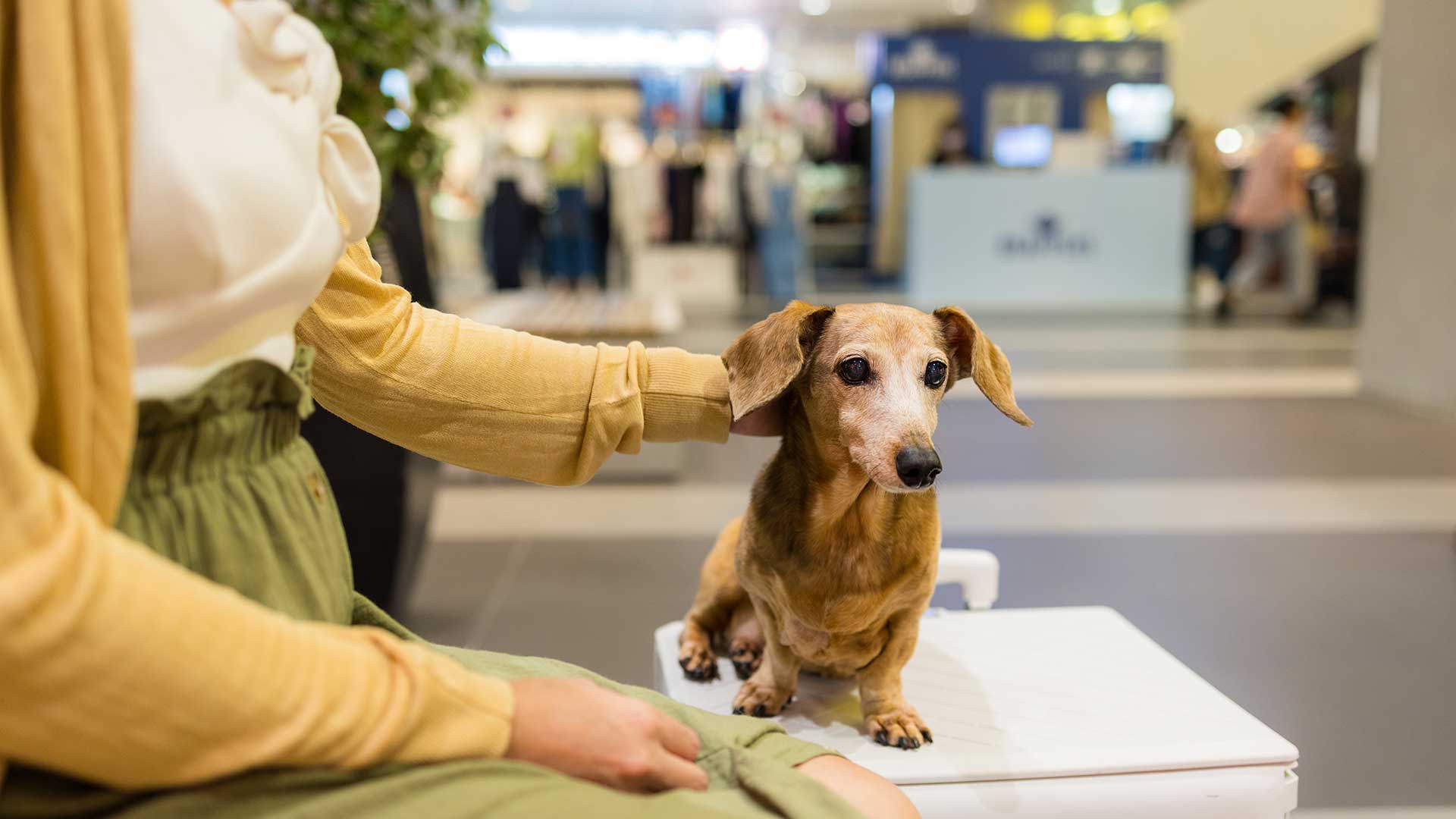
Understanding border procedures helps you prepare properly and reduces anxiety when crossing international boundaries.
UK border officials typically ask about your destination country, length of stay planned, and whether this is your dog’s first international trip. They verify your Animal Health Certificate matches your travel dates and destination.
Officials often ask when the rabies vaccination was administered and may request to see the specific vaccination record section of your certificate.
Border officials scan your dog’s microchip to confirm the number matches your Animal Health Certificate exactly. Any discrepancy stops the process immediately.
They check vaccination dates to ensure the 21 day waiting period has passed and vaccinations remain valid throughout your planned stay.
For destinations requiring tapeworm treatment, officials verify the treatment timing falls within the required window before departure.
Border officials may conduct a basic visual health check of your dog to confirm they appear well and match the description in their certificate.
Dogs must be calm enough to allow microchip scanning and basic handling. Extremely anxious or aggressive dogs may face additional delays or requirements.
Officials often ask about your planned return date to ensure your Animal Health Certificate will remain valid. Certificates expire four months after issue, so extended stays may require new documentation.
They may also confirm you understand tapeworm treatment requirements for return travel, especially for first time travellers.
EU border officials repeat many of the same checks, scanning microchips and verifying all documentation. They focus particularly on ensuring rabies vaccination timing meets EU requirements.
Some EU entry points conduct more detailed health inspections, particularly during disease outbreaks or heightened health alerts.
Eurotunnel terminals check documentation at both departure and arrival, with officials at Calais conducting final verification before allowing entry into France.

Taking a dog abroad from the UK involves more preparation than it once did, but the process is far more manageable once you understand the steps. Microchipping, rabies vaccination, and obtaining an Animal Health Certificate form the core of the requirements, and allowing enough time to organise these removes most of the stress from the process.
Careful planning makes the journey easier for both you and your dog. Booking approved travel routes, preparing documentation in advance, and making sure your dog is comfortable with longer journeys all contribute to a smoother experience. Small details such as familiar bedding, regular rest breaks, and maintaining your dog’s routine can make a surprising difference once you arrive.
It is also important to consider whether international travel genuinely suits your dog. Some adapt quickly to new places and enjoy the experience, while others feel more comfortable remaining in familiar surroundings. Understanding your dog’s personality and limits helps ensure that any trip abroad remains positive rather than overwhelming.
For owners who take the time to prepare properly, travelling with a dog can open the door to memorable adventures together. With the right planning, realistic expectations, and a focus on your dog’s comfort and wellbeing, exploring new places alongside your dog becomes not only possible, but genuinely enjoyable.

Pet passports issued in Great Britain became invalid for EU travel after Brexit. Dogs now require Animal Health Certificates for each journey. However, passports issued in EU countries or Northern Ireland remain valid within those regions.
Expect £160-£300 for veterinary documentation, plus £20-£80 for European transport fees. Accommodation supplements and insurance increase total costs. Flying or travelling to distant destinations costs significantly more.
Many ferry companies and the Channel Tunnel welcome dogs, though policies vary between operators. Most UK trains allow dogs, but international rail services have different policies requiring advance research.
Plan for 6-8 weeks minimum. This allows time for microchipping if needed, rabies vaccination, the mandatory 21 day waiting period, and obtaining an Animal Health Certificate within 10 days of travel.
This is often linked to surface irritation. Grass, dust, chemicals, or hot pavements can irritate the paws, causing your dog to lick them afterwards.