
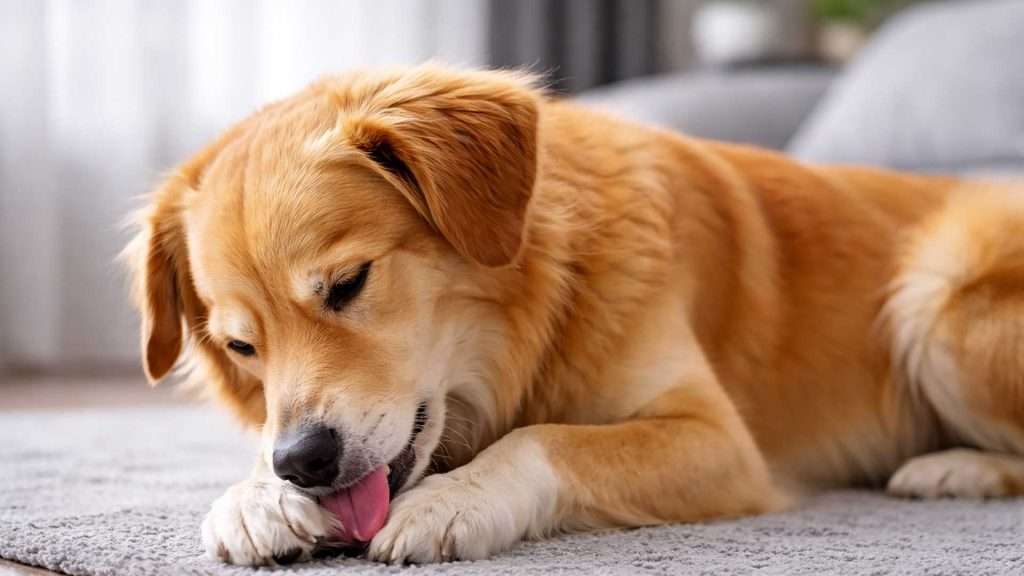
Paw licking is a common behaviour in dogs, and in many cases it forms part of normal grooming. However, when it becomes frequent or persistent, it is usually a sign that something is causing discomfort or irritation.
There are several possible reasons for this. Some are physical, such as minor injuries or skin sensitivity. Others are linked to the environment, including surfaces your dog walks on. In some cases, it can also be behavioural, driven by stress, boredom, or habit.
While some causes are relatively minor and easy to manage, others may require closer attention. Understanding the difference is key to keeping your dog comfortable and preventing the issue from getting worse.
This guide explains why paw licking happens, how to identify the likely cause, and what you should do next.
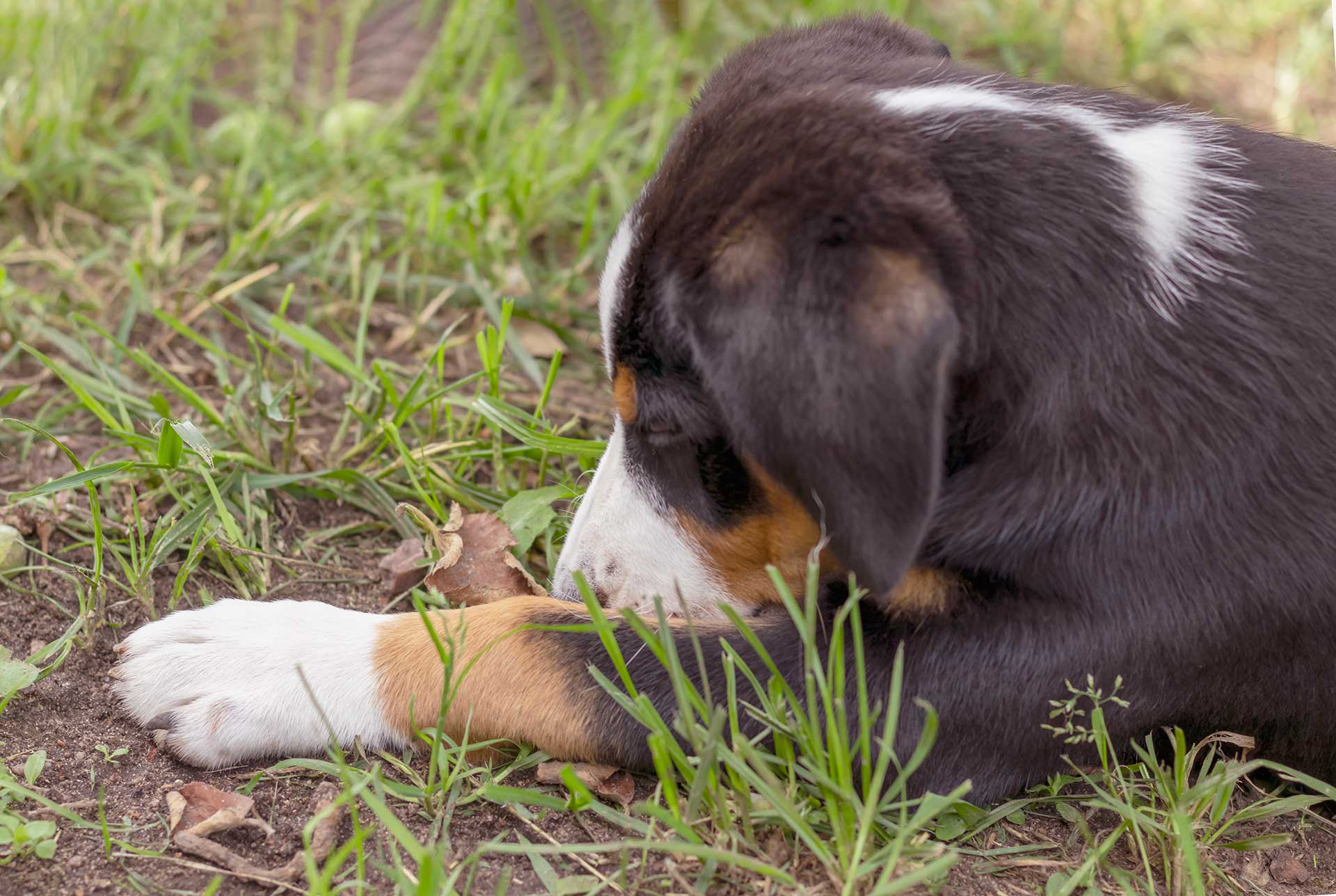
Dogs usually lick their paws because something is irritating them or causing discomfort
Common causes include:
In most cases, repeated licking is your dog’s way of trying to soothe discomfort, rather than a habit with no underlying cause.
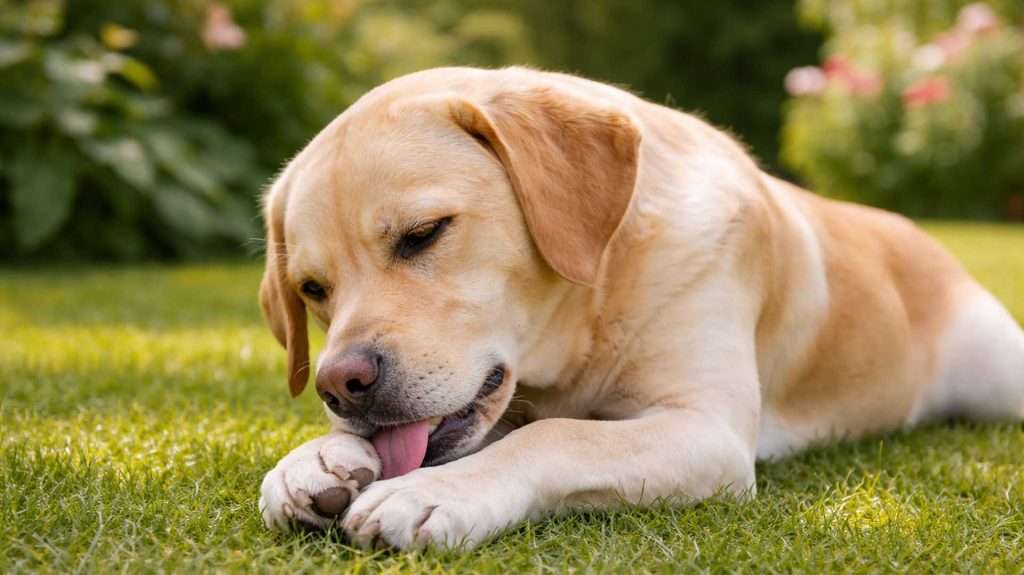
It is normal for dogs to lick their paws occasionally as part of routine grooming. This helps keep their paws clean, especially after being outside.
However, repeated or intense licking is not considered normal. If your dog is focusing on their paws frequently, or returning to the same spot again and again, it usually indicates discomfort or irritation.
The key difference is frequency and focus. Occasional licking is brief and casual, while problem behaviour tends to be persistent, targeted, and difficult to interrupt. When licking becomes a regular pattern rather than an occasional habit, it is something that needs closer attention.
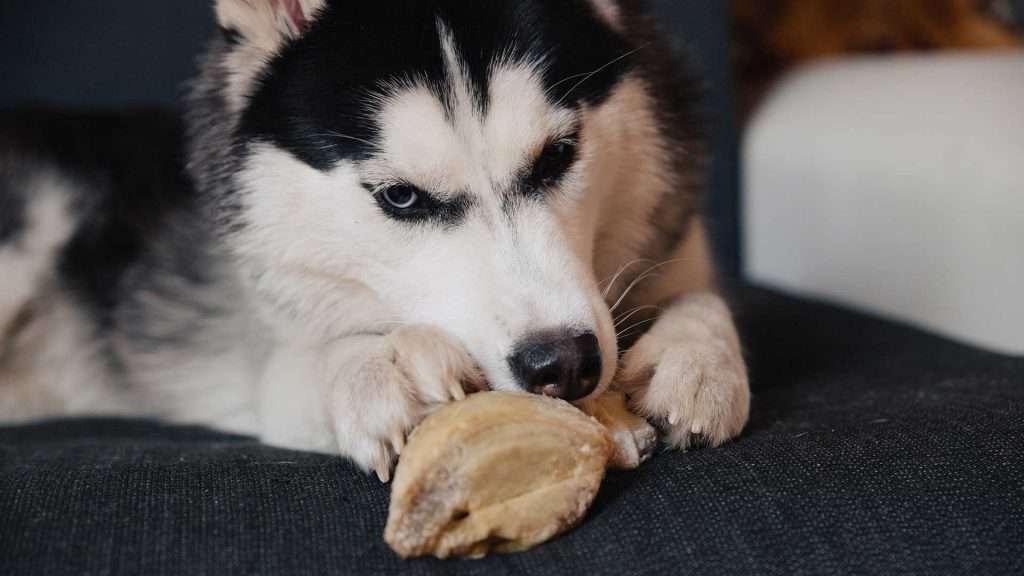
In many cases, the way your dog is licking their paws can give you a useful indication of what is causing the issue. While this is not a definitive diagnosis, it can help you narrow things down before looking more closely.
Licking both paws consistently – This often points to allergies, particularly environmental triggers such as grass, pollen, or dust.
Licking one paw repeatedly – This is more likely to be a local issue, such as a small injury, irritation, or something stuck in the paw.
Licking after walks – This usually suggests surface irritation, especially from grass, pavements, or chemicals your dog has come into contact with.
Licking more at night – This can be linked to boredom or anxiety, as dogs are more likely to focus on repetitive behaviours when they are less stimulated.
Red or inflamed paws – This may indicate irritation or infection, especially if the licking is persistent and focused.
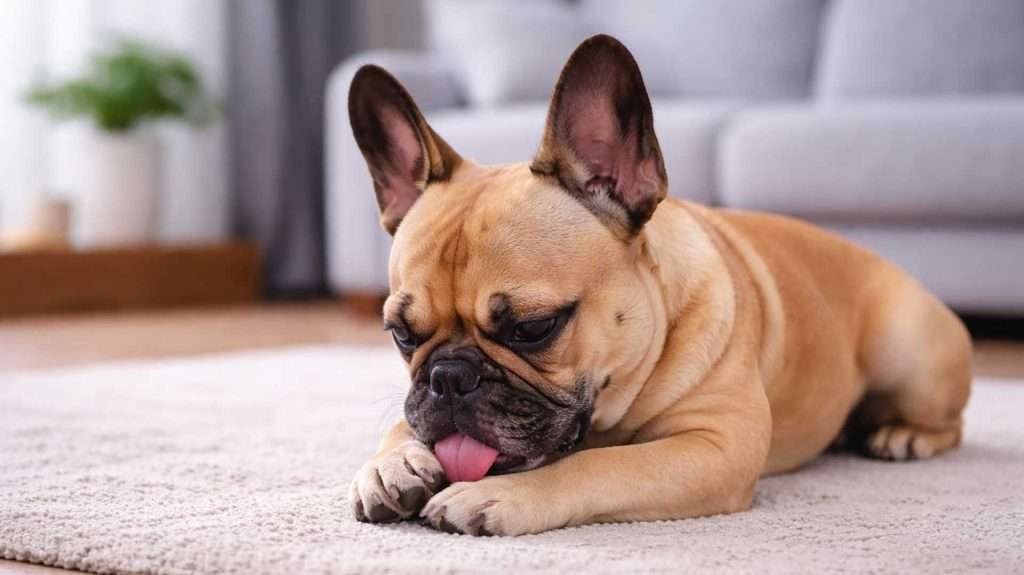
In many cases, the way your dog is licking their paws can give you a useful indication of the cause.
This quick pattern can help you narrow down the cause before looking more closely.
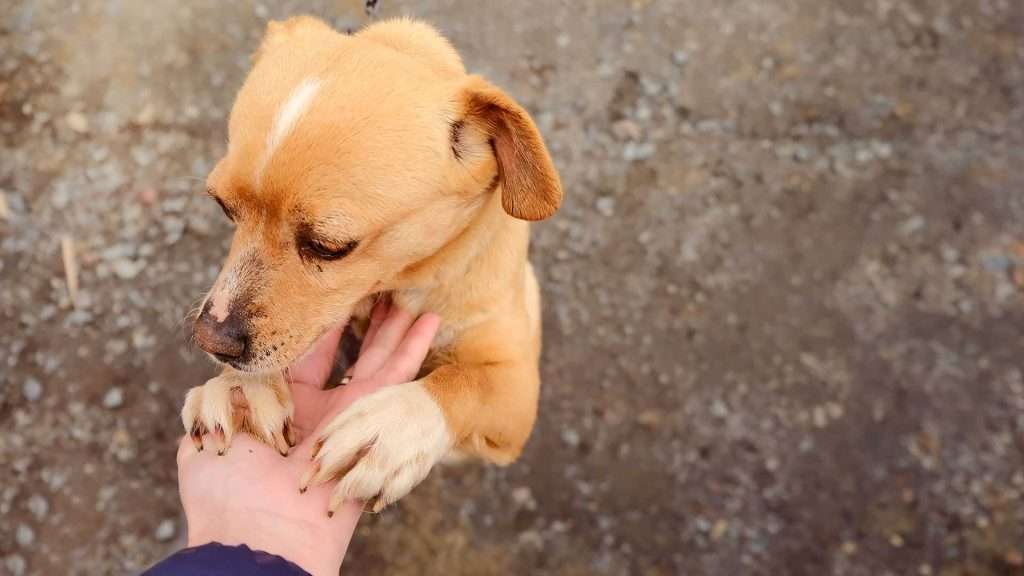
There is rarely a single cause behind repeated paw licking. In many cases, it is a combination of factors, which is why it is important to understand the main categories and what to look for in each.
Skin irritation is one of the most common reasons dogs lick their paws.
Dogs with allergies will often lick both paws and may show ongoing symptoms.
Physical discomfort is another common cause, particularly if your dog is focusing on one paw.
Even minor irritation can lead to repeated licking as your dog tries to soothe the area.
If paw licking is persistent or worsening, it may be linked to an underlying medical issue.
These cases usually require closer attention and, in some situations, veterinary advice.
Not all paw licking is caused by physical irritation. In some cases, it is linked to your dog’s behaviour and emotional state.
This type of licking is often more noticeable during quiet periods, such as in the evening or when your dog is left alone.
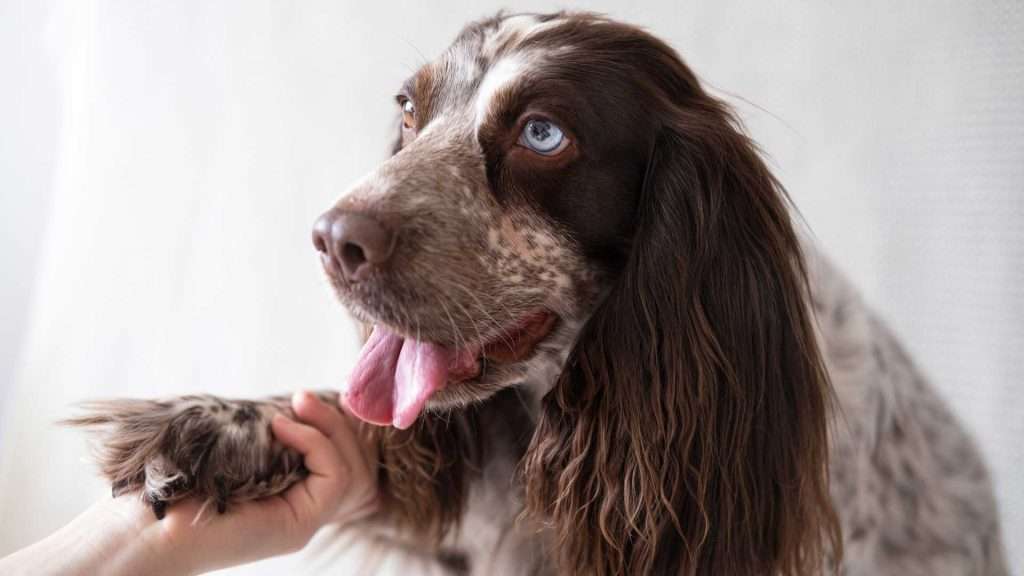
Regular checks can help you spot problems early and prevent them from getting worse. This does not need to be complicated, just a quick and careful inspection.
If your dog pulls away, shows discomfort, or reacts differently than usual, it may be a sign that something is causing pain.
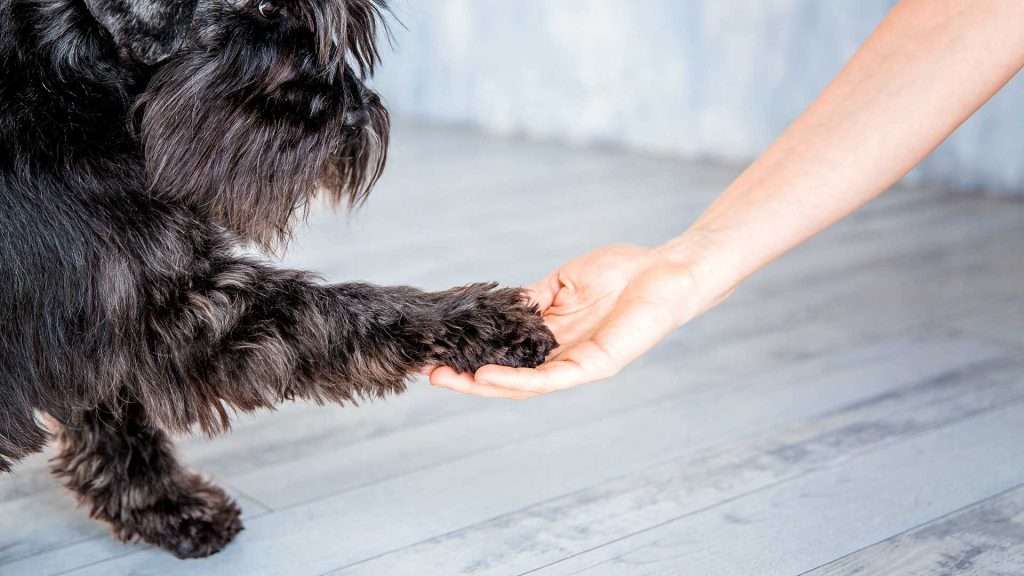
While occasional paw licking can be harmless, certain signs point to an underlying issue that needs attention.
Redness or inflammation – This often suggests irritation, allergies, or the early stages of infection.
Swelling – Swelling can indicate injury, infection, or a reaction to something your dog has come into contact with.
Limping – Limping usually means your dog is experiencing pain in the paw or leg and should be checked promptly.
Constant focus on one paw – Repeated attention to a single paw often points to a specific problem such as a cut, thorn, or localised irritation.
Bleeding or open sores – These are clear signs of damage to the skin and increase the risk of infection if not addressed.
Strong or unusual smell – An unpleasant smell is often linked to bacterial or yeast infections and should not be ignored.
These signs usually indicate something more serious than normal grooming and should be addressed as soon as possible.
The most effective way to stop paw licking is to address the underlying cause, rather than simply trying to prevent the behaviour. Once the source of irritation or discomfort is managed, the licking will usually reduce on its own.
Keeping your dog’s paws clean can help prevent irritation from building up over time.
Making small adjustments to your dog’s environment can reduce the chances of irritation.
Environmental irritation can also occur during journeys or long outings, which is why it helps to plan ahead when travelling with your dog.
If licking is linked to behaviour, increasing stimulation can make a noticeable difference.
In some situations, added protection can help reduce irritation and support recovery.
Support comfort during walks or warmer conditions with appropriate gear. Protective products such as a Cooling Vests can help reduce irritation caused by heat by keeping the body temperature down.
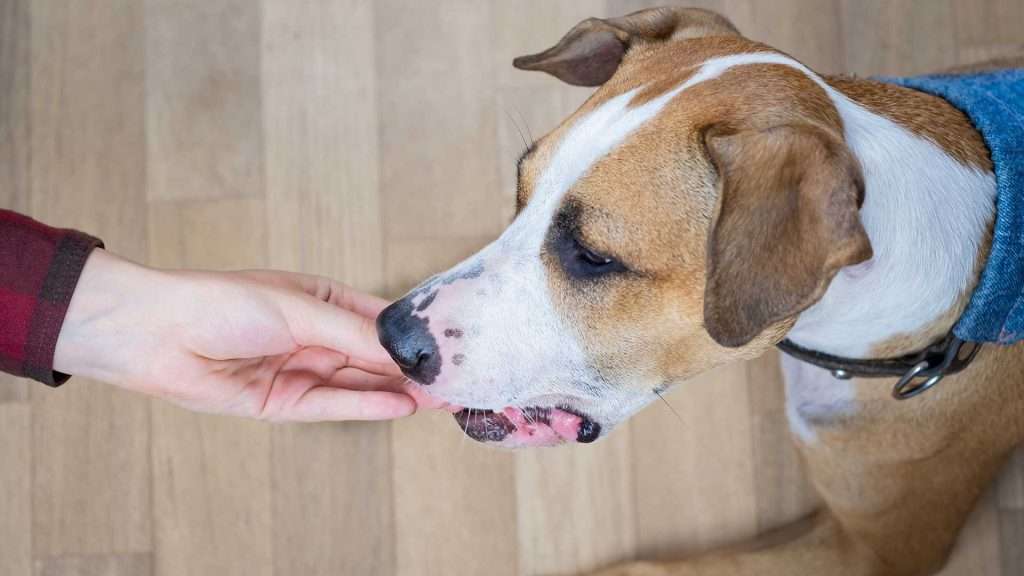
When dealing with paw licking, small mistakes can allow the problem to continue or become worse over time. Ignoring early signs and hoping the behaviour will stop on its own often leads to the issue developing further.
Trying to stop the licking without addressing the underlying cause rarely works and can delay proper treatment. Walking regularly on hot or harsh surfaces without protection can increase irritation, especially in warmer conditions.
Not checking your dog’s paws as part of a routine also means small problems can go unnoticed. Avoiding these common issues can make a significant difference in both prevention and recovery.
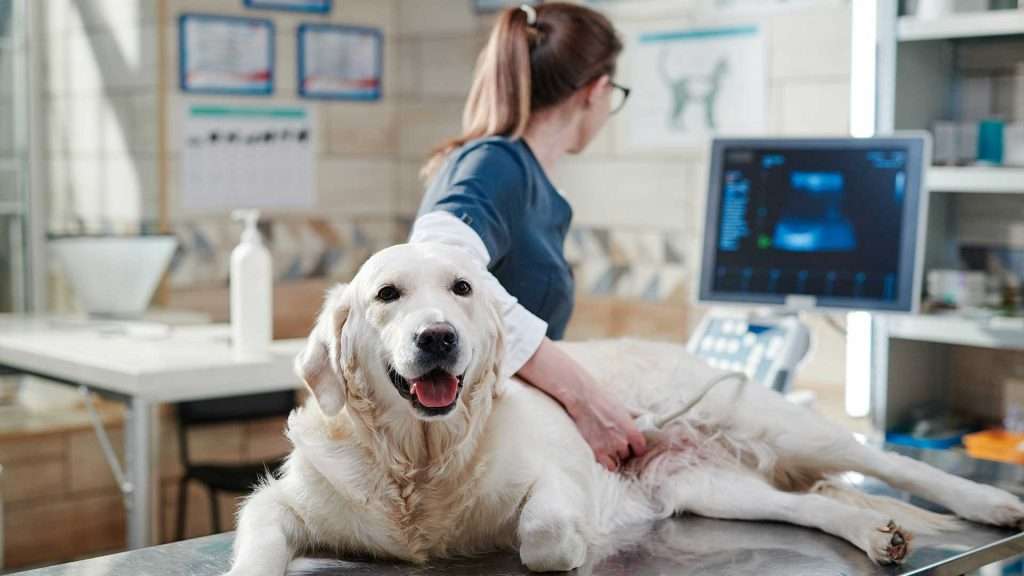
In some cases, professional advice is necessary to identify and treat the cause properly.
If you notice any of these, it is best to seek advice rather than wait for the issue to resolve on its own.
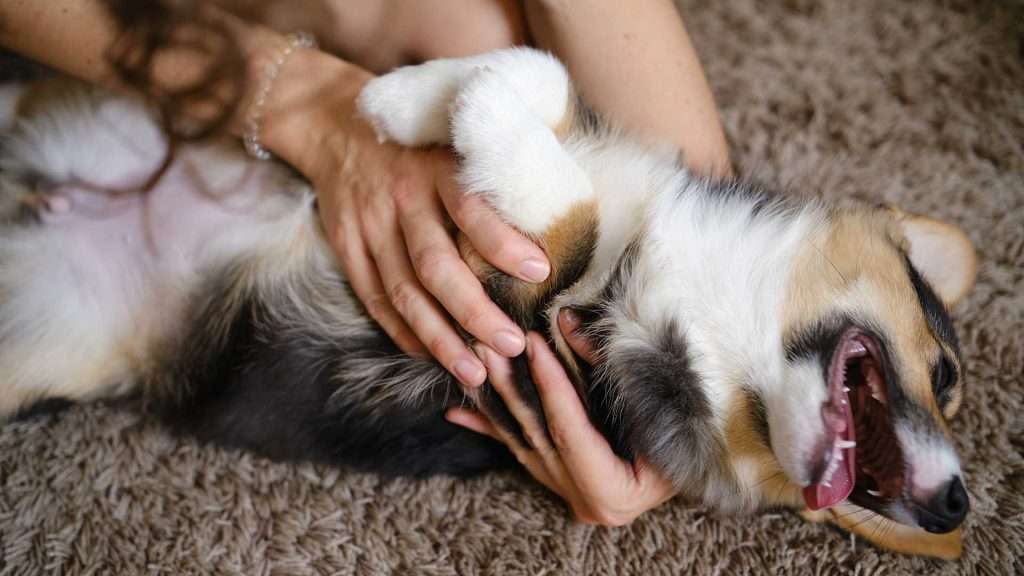
In many cases, paw licking can be reduced or prevented with consistent care and attention.
Check your dog’s paws – Check your dog’s paws regularly, especially after walks, as this helps you spot small issues such as cuts, debris, or irritation before they become more serious problems.
Keep paws clean – Keep paws clean and dry to prevent irritation and infection, since moisture and dirt can create the ideal conditions for bacteria or yeast to develop.
Be mindful of environmental factors – Be mindful of walking surfaces and environmental factors, as hot pavements, rough ground, or treated areas can cause discomfort and lead to ongoing licking.
Support your dog’s comfort during warmer weather – Support your dog’s comfort during warmer weather when paws are more sensitive, as heat can increase irritation and make existing issues worse.
Taking a proactive approach helps reduce the chances of ongoing irritation. Using cooling or protective products where appropriate can also support comfort and prevent problems from developing.
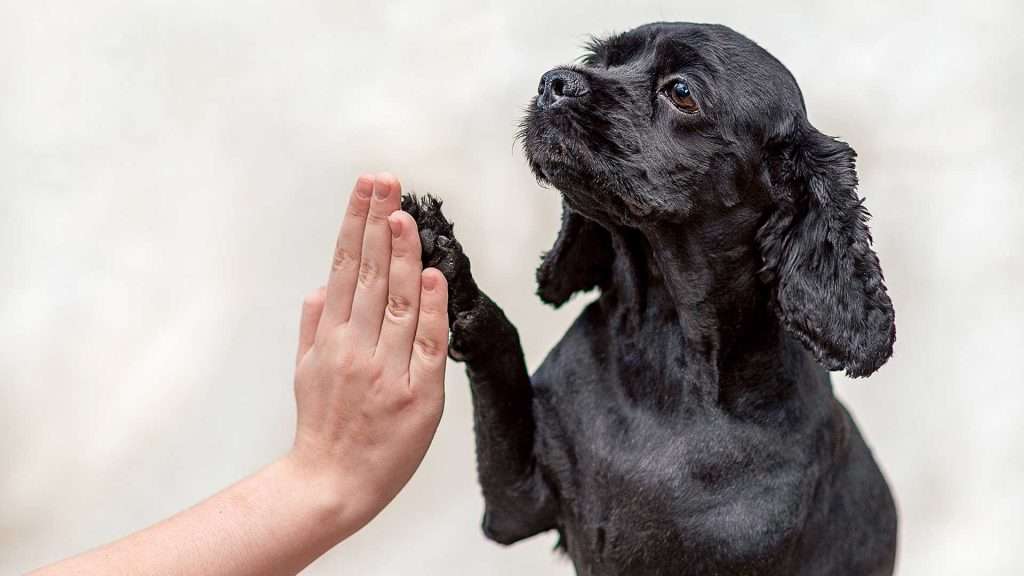
Paw licking is a signal, not just a habit. It is your dog’s way of responding to discomfort, irritation, or sometimes stress.
By recognising the signs early and understanding the possible causes, you can take simple steps to prevent the issue from developing into something more serious. Small, consistent care, such as regular checks and keeping paws clean, can make a noticeable difference.
Bark Boutique focuses on practical solutions that support your dog’s comfort, offering reliable products while also providing useful information to help dog owners make informed decisions.
You should not try to stop the behaviour on its own. Paw licking is usually a sign that something is wrong, so it is more important to identify and address the cause.
It is best to avoid applying products unless you are sure they are safe for dogs. In many cases, keeping paws clean and dry is the safest first step. If irritation continues, seek advice before using treatments.
It can be. Dogs may lick their paws as a way to cope with stress or boredom, especially during quiet periods or when left alone. Behavioural causes are common when no physical issue is found.
Yes. Hot pavements and warm conditions can irritate your dog’s paws, leading to discomfort and increased licking. Managing exposure and keeping paws cool can help reduce this.
This is often linked to surface irritation. Grass, dust, chemicals, or hot pavements can irritate the paws, causing your dog to lick them afterwards.
It is a good habit to check your dog’s paws after walks and regularly throughout the week. Frequent checks help you spot small issues before they become more serious.
Yes. While some allergies are seasonal, others such as dust or household allergens can affect dogs throughout the year, leading to ongoing paw licking.