
Warm weather can be enjoyable, but it also brings real risks for dogs. Unlike humans, dogs cannot regulate heat efficiently, which means even a moderately warm day can quickly become uncomfortable or dangerous.
Overheating can develop faster than many owners expect, especially during walks, travel, or time spent in direct sun.
Understanding how to keep dogs cool in summer is essential for protecting their health and keeping daily routines safe. With the right approach, you can still enjoy walks, time outdoors, and travel, while making simple adjustments that reduce risk and improve comfort.
This guide focuses on practical, effective ways to keep your dog cool, helping you make confident decisions throughout the warmer months.
When temperatures rise, simple changes make the biggest difference. Focusing on the basics helps prevent overheating before it becomes a problem.
These small adjustments create a safer environment and help your dog stay comfortable throughout the day.
Dogs rely on a much more limited cooling system than humans, which is why they are more vulnerable to heat. Once their body temperature begins to rise, it can be difficult for them to bring it back down without help.
Dogs mainly cool themselves through panting, releasing heat as moisture evaporates from their tongue and airways. They have very few sweat glands, and these are located mainly in their paw pads, which means they cannot rely on sweating to regulate temperature.
In warm conditions, especially where there is little airflow or high humidity, panting becomes less effective. This is why rest, shade, and access to water are so important, as they support the body’s natural cooling process rather than forcing it to work harder.
Some dogs are more sensitive to heat than others, and need closer attention during warmer weather. This includes puppies, whose bodies are still developing, and older dogs, who may struggle more with temperature regulation and recovery after exertion.
Breeds with shorter muzzles can also find it harder to cool themselves, as their breathing is less efficient. Dogs with thick coats or underlying health conditions may tire more quickly as temperatures rise.
As dogs get older, these changes often become more noticeable, with slower movement, reduced stamina, and a greater need for rest in cooler environments, something that becomes clearer as their care needs evolve over time.
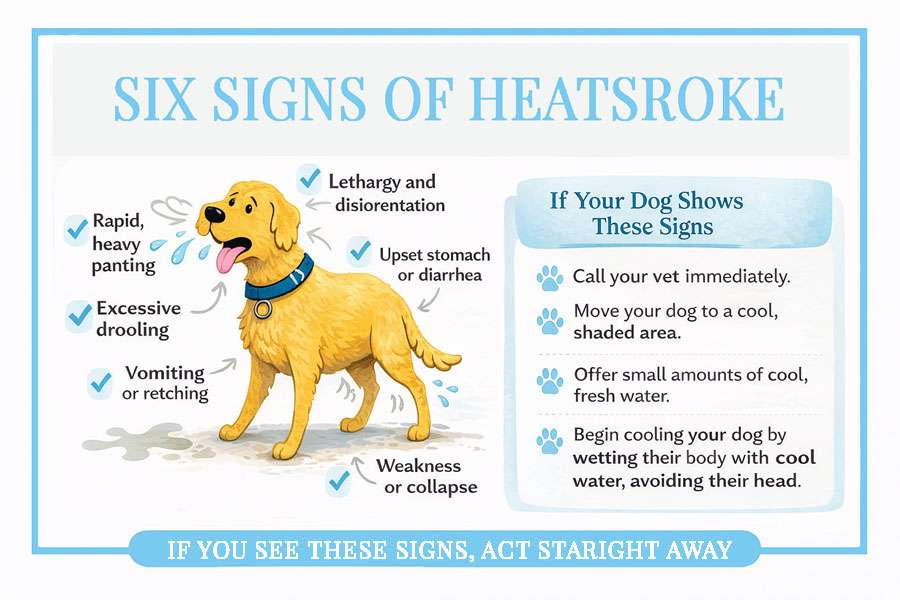
Dogs often show early signs of discomfort before overheating becomes serious. Paying attention to small changes in behaviour can help you act quickly and prevent more severe problems. Heat related issues can escalate faster than expected, so recognising the warning signs early is essential.
Early signs to watch for:
If these signs are ignored, overheating can progress into a much more serious condition.
Severe signs that require immediate action:
If your dog shows any of these symptoms, it is important to cool them down gradually and contact a vet without delay.
Understanding how heat affects dogs, and how it can develop into more serious conditions, will help you respond with confidence if something does not feel right.
Your home should act as a place where your dog can fully relax and recover from the heat. Creating a cooler environment indoors makes a noticeable difference, especially during the hottest parts of the day when outdoor activity is limited.
Dogs naturally seek out the coolest spot available, so it helps to make this easy for them. Quiet rooms with tiled or wooden flooring often stay cooler than carpeted areas. Closing blinds or curtains during peak sunlight hours can also reduce heat build up and keep rooms more comfortable.
Positioning a bed or resting area away from direct sunlight allows your dog to settle properly without constantly shifting to find relief.
Good airflow supports your dog’s natural cooling process. Opening windows early in the morning or later in the evening helps circulate cooler air, while fans can provide gentle movement that makes resting more comfortable.
Even simple adjustments, such as keeping doors open between rooms or avoiding enclosed, stuffy spaces, can help regulate temperature throughout the home.
Hydration is one of the most important factors in keeping your dog cool. Fresh water should always be available, and placing bowls in more than one room encourages regular drinking.
Some dogs benefit from slightly chilled water during warmer days, while others may drink more when water is refreshed regularly. Keeping an eye on how often your dog drinks can also give you a useful indication of how they are coping with the heat.
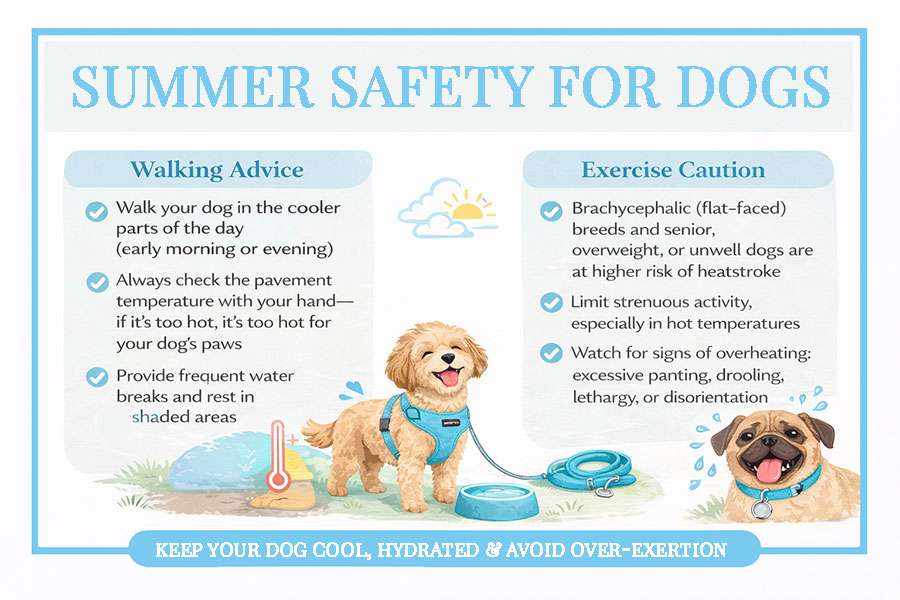
Walking remains an important part of your dog’s routine, but it needs to be adapted carefully during warmer weather. Timing, route choice, and awareness of surroundings all play a role in keeping walks safe and enjoyable.
Best times to walk – Early mornings and late evenings are the safest times to walk your dog in summer. Temperatures are lower, surfaces have had time to cool, and the overall environment is less intense. Shorter, calmer walks during these times often work better than longer outings during the middle of the day.
Pavement heat risks – Hard surfaces absorb and hold heat, which can quickly become uncomfortable or even harmful for your dog’s paws. A simple way to check is to place your hand on the pavement for a few seconds. If it feels too hot to hold, it is too hot for your dog to walk on. Grass, shaded paths, and natural ground surfaces are usually safer choices during warmer conditions.
Safer walking routes – Choosing the right route can make a noticeable difference to how your dog copes with the heat. Areas with natural shade, such as parks, woodland paths, or tree lined streets, provide cooler conditions and more opportunities to rest.
Slowing the pace, allowing time for sniffing, and taking regular breaks helps prevent overexertion. Adjusting your routine in this way often leads to calmer, more comfortable walks, especially as temperatures begin to rise.
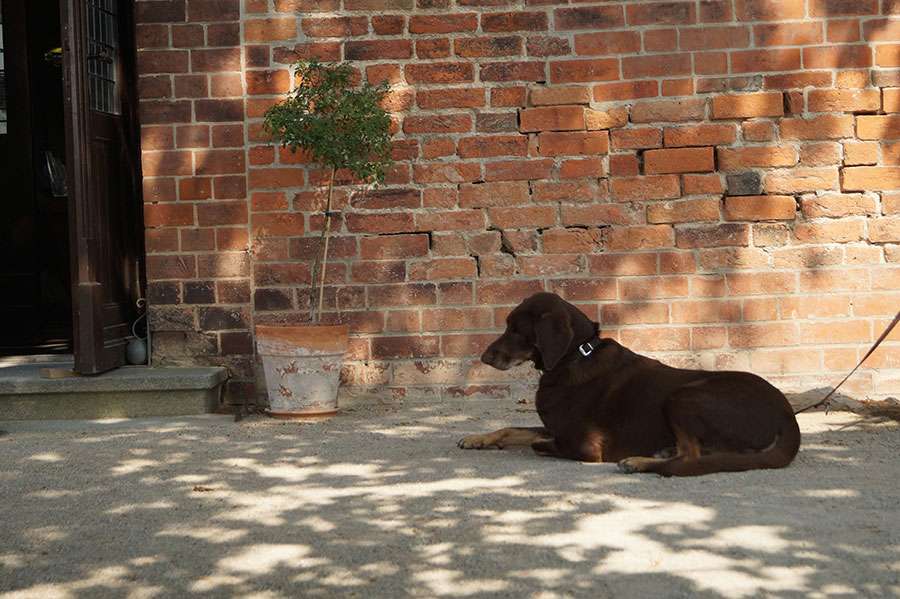
Keeping your dog cool during summer often comes down to combining simple techniques throughout the day. Rather than relying on one solution, a mix of cooling methods helps maintain a steady, comfortable temperature and prevents sudden overheating.
These small habits support your dog’s natural cooling process and are easy to build into your routine.
Water can be one of the most effective ways to regulate temperature when used safely.
It is important to avoid sudden temperature changes, as very cold water can cause discomfort rather than relief.
Not all cooling comes from direct methods. Managing activity levels plays an equally important role.
Shorter walks, slower pacing, and regular pauses give your dog time to recover naturally.
Allowing them to choose when to stop, sit, or lie down helps prevent overexertion before it begins.
Some dogs will continue moving even when they are too warm, so guiding the pace is often necessary, especially during warmer parts of the day.
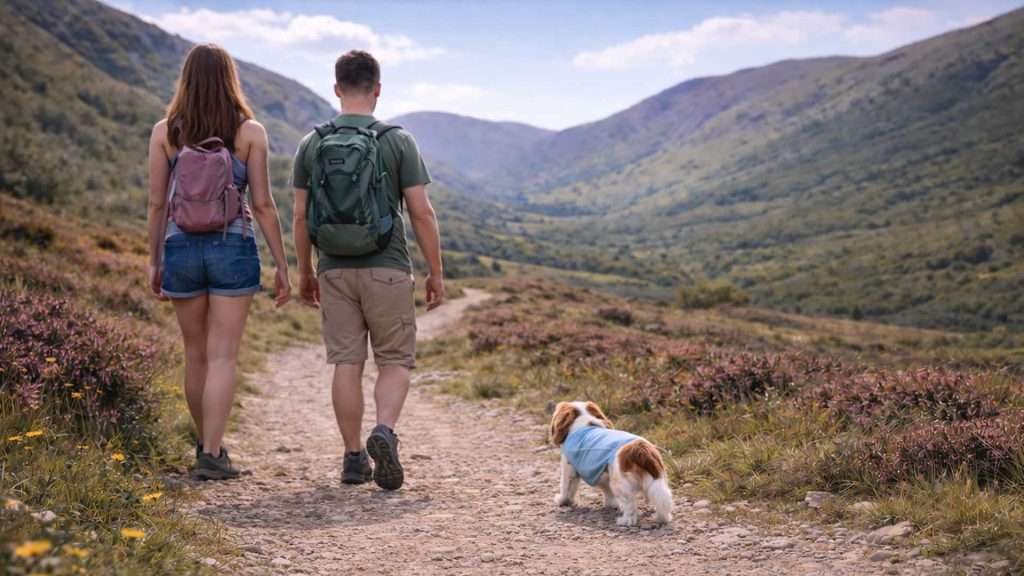
Dog cooling products can provide additional support, particularly for dogs that struggle more in the heat or remain active during summer. Lightweight cooling layers can help regulate body temperature by retaining moisture and encouraging gradual cooling as water evaporates.
Introducing this type of gear gradually allows your dog to adjust comfortably. When used alongside shade, rest, and hydration, it becomes a useful part of a wider approach rather than a standalone solution.
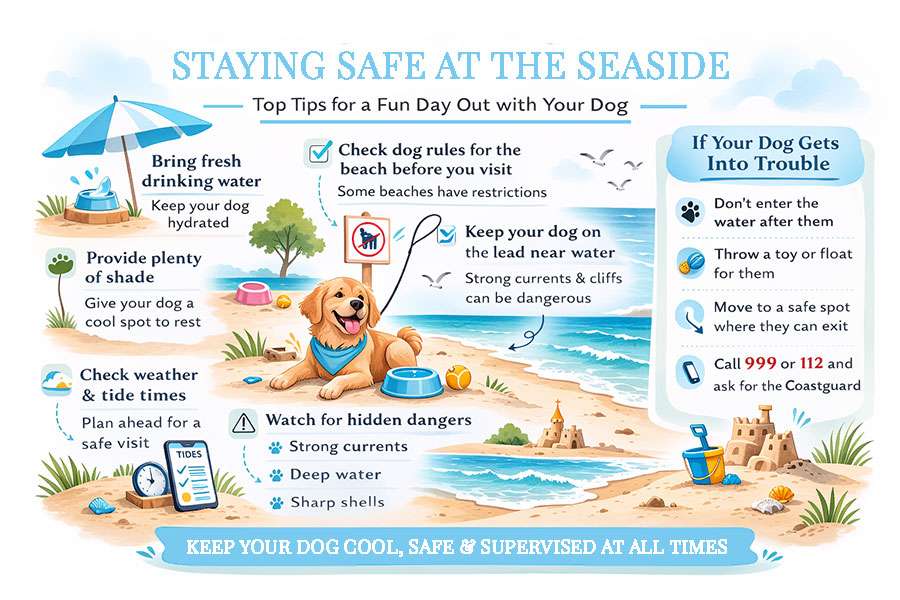
Spending time outdoors is still important during summer, but it needs to be managed carefully. The garden should feel like a safe extension of your home, not a place where heat builds up unnoticed.
A well shaded area gives your dog somewhere to retreat when temperatures rise. Natural shade from trees is ideal, but umbrellas, covered spaces, or shaded corners can work just as well.
It helps to create a consistent resting spot where your dog knows they can cool down without disturbance. Positioning water nearby encourages them to settle and rehydrate at the same time.
Play should be adjusted to suit the conditions rather than avoided completely. Short, calm sessions are far more effective than long periods of activity.
Rotating Dog Toys, slowing the pace, and focusing on gentle interaction helps keep your dog engaged without pushing them too far. Many of the same ideas used for outdoor play can be adapted easily depending on the weather, especially when you begin to vary how and where you play.
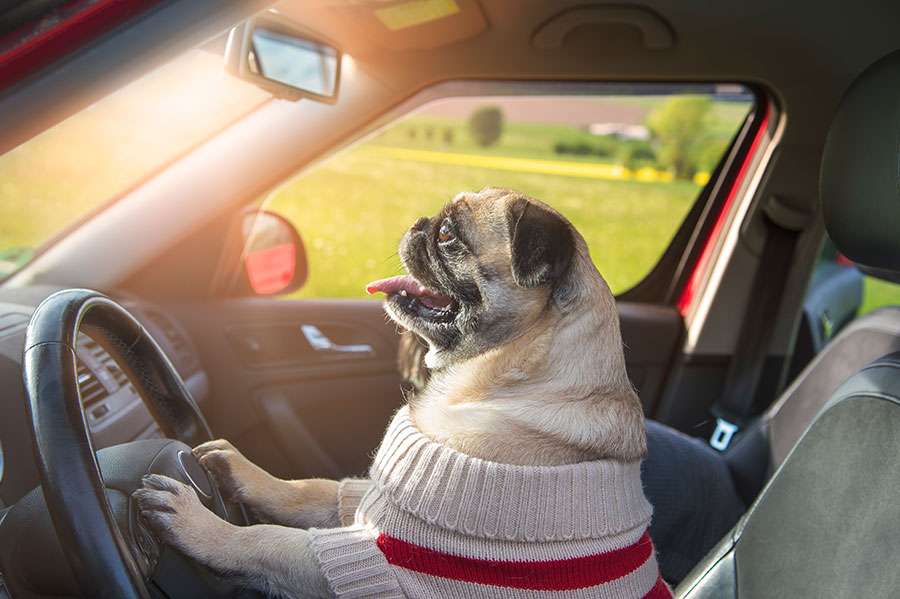
Travel introduces additional challenges, as enclosed spaces can heat up quickly and limit airflow. Even short journeys need to be approached with care during warmer months.
Cars retain heat far more than open spaces, and temperatures can rise rapidly even when it does not feel especially hot outside. Leaving a dog unattended in a vehicle, even briefly, can become dangerous within minutes.
Before setting off, allow the car to cool down and ensure there is adequate ventilation throughout the journey. Planning ahead makes a noticeable difference, especially on longer trips.
Keeping your dog comfortable while travelling comes down to preparation and regular checks.
Longer trips often require a bit more planning, particularly when balancing comfort, safety, and routine. Making small adjustments to how you travel helps ensure your dog remains relaxed and settled from start to finish.
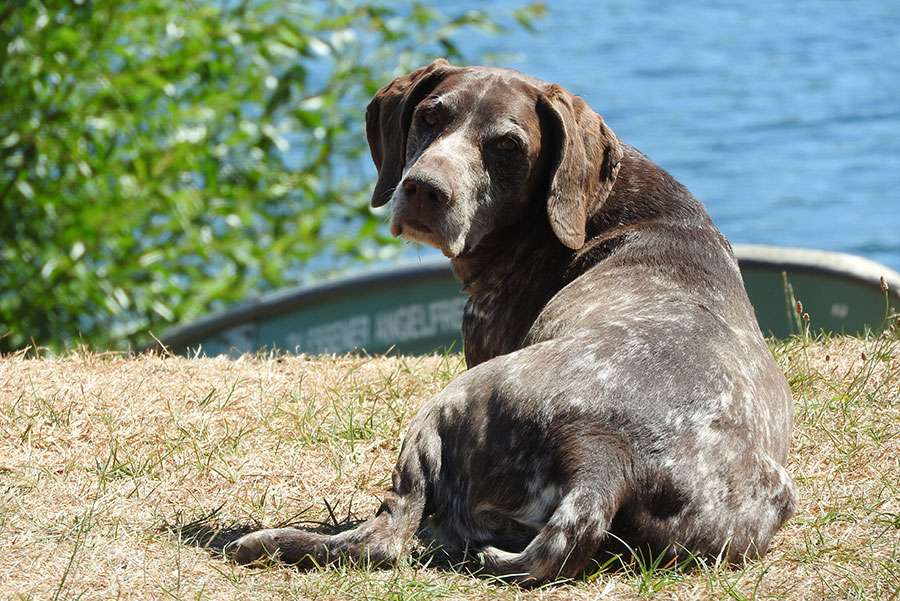
Some dogs cope well with summer heat, while others need far more support. Age, health, and physical build all affect how easily a dog can regulate body temperature, so it is important to tailor your routine to the dog in front of you rather than relying on general advice alone.
Puppies are still developing, which means they can become tired, dehydrated, or overwhelmed more quickly than adult dogs. Their excitement often masks discomfort too, so they may keep playing or walking even when they need a break.
Keep outings short, gentle, and predictable. Shade, water, and quiet recovery time matter just as much as the walk itself. The earliest stages of home life are often when puppies need the most reassurance and careful routine, especially while they are still learning how to settle into daily life.
Older dogs often find hot weather more draining, even if they have always enjoyed being active. They may slow down sooner, need more recovery time, or feel less comfortable on warm surfaces. Joint stiffness, reduced stamina, and changing senses can all make summer harder to manage.
Shorter walks, softer ground, and more rest usually help. Many older dogs also benefit from extra comfort at home, especially if they need a cool, quiet place to recover after being outside. As their pace changes, so does the kind of support that helps them stay comfortable and confident in warmer weather.
Dogs with breathing issues, heart conditions, reduced mobility, or weight related problems need particularly close attention in summer. Heat places extra pressure on the body, and existing conditions can make it much harder to cope.
If your dog has an ongoing health concern, it is worth speaking to your vet about how much activity is appropriate in warmer conditions. Even small changes, such as walking earlier, slowing the pace, or increasing rest breaks, can make a noticeable difference.
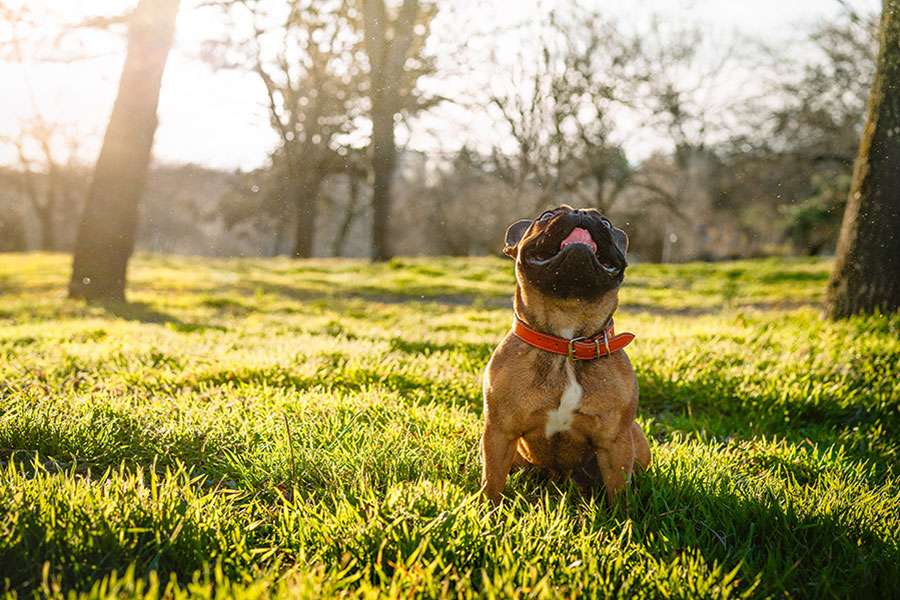
This is one of the most important questions owners ask in summer, and the answer is not always as simple as a single number. Temperature matters, but so do humidity, airflow, shade, surface heat, and your own dog’s age and condition.
As a general guide, extra care is needed once temperatures begin climbing into the high teens and low twenties, especially for vulnerable dogs. Once conditions reach the mid twenties, many dogs will need much shorter walks, slower pacing, and cooler routes.
When temperatures move higher still, particularly if there is direct sun and little breeze, outdoor exercise can become risky very quickly. At that point, a short toilet break may be all that is appropriate, with enrichment and play moved indoors until it cools down.
The forecast only tells part of the story. Your dog’s behaviour often tells you more. If they seem reluctant to move, start panting heavily very early, search for shade, or try to stop and lie down, those are clear signs that conditions may be too much for them.
It also works the other way round. A cool morning with plenty of shade may be safe for a gentle walk even in summer, provided your dog remains relaxed and comfortable throughout. Watching their pace, posture, and recovery will help you make better decisions than relying on temperature alone.
If there is any doubt, it is usually better to shorten the walk, change the route, or stay home and keep things calm indoors.
Summer does not have to limit your dog’s quality of life, but it does call for more awareness, better timing, and a little extra care. Knowing how to keep dogs cool in summer means looking beyond the temperature and paying attention to the whole picture, your dog’s routine, their surroundings, and the way they respond to heat.
Some dogs will need only a few small adjustments, while others benefit from a much slower pace and more support. Fresh water, shade, rest, careful walking times, and thoughtful cooling methods all work together to keep summer safe and manageable.
With the right approach, warmer days can still be enjoyable, calm, and full of good moments together. At Bark Boutique, we believe that comfort, routine, and understanding make all the difference, especially when the weather is at its most demanding.