
As the weather begins to warm and many owners start thinking about exploring the UK with their dogs, understanding how heat affects them becomes an important part of planning safe walks, travel, and outdoor activities.
Warm weather can be enjoyable for dogs, but rising temperatures bring risks many owners underestimate.
Dogs cannot cool themselves efficiently through sweating and rely mainly on panting, which means heat builds up in their bodies much faster than in people.
Understanding what temperature is too hot for dogs helps you make safer decisions about walks, travel, and outdoor activity.
In this guide, you will learn how to judge safer temperatures, recognise signs of overheating, and how to keep dogs comfortable during warmer weather.
For most dogs, temperatures above 24°C begin to increase the risk of overheating, especially during exercise.
Once temperatures reach 28°C or higher, outdoor activity should usually be limited to very short toilet breaks, as dogs can struggle to cool themselves safely.
Many dog owners simply want a quick reference before heading out for a walk. While every dog is different, the following guide offers a helpful starting point when deciding whether conditions are suitable for exercise.
Temperature | Safety Level | Advice |
Below 15°C | Safe | Normal walks are usually fine |
15–20°C | Generally safe | Provide water and watch activity levels |
20–23°C | Warm | Walk early morning or evening |
24–27°C | High risk | Short walks only |
28°C+ | Dangerous | Avoid walks except quick toilet breaks |
Temperature is only one factor to consider. Humidity slows down the cooling effect of panting, direct sunlight raises surface temperatures, and pavements can become dangerously hot even when the air temperature seems moderate.
Age and health also play a role, as puppies, senior dogs, and dogs with certain medical conditions can struggle more in the heat.
Owners who are unsure how older dogs cope in warmer weather often find it helpful to understand the physical changes that occur as dogs age.
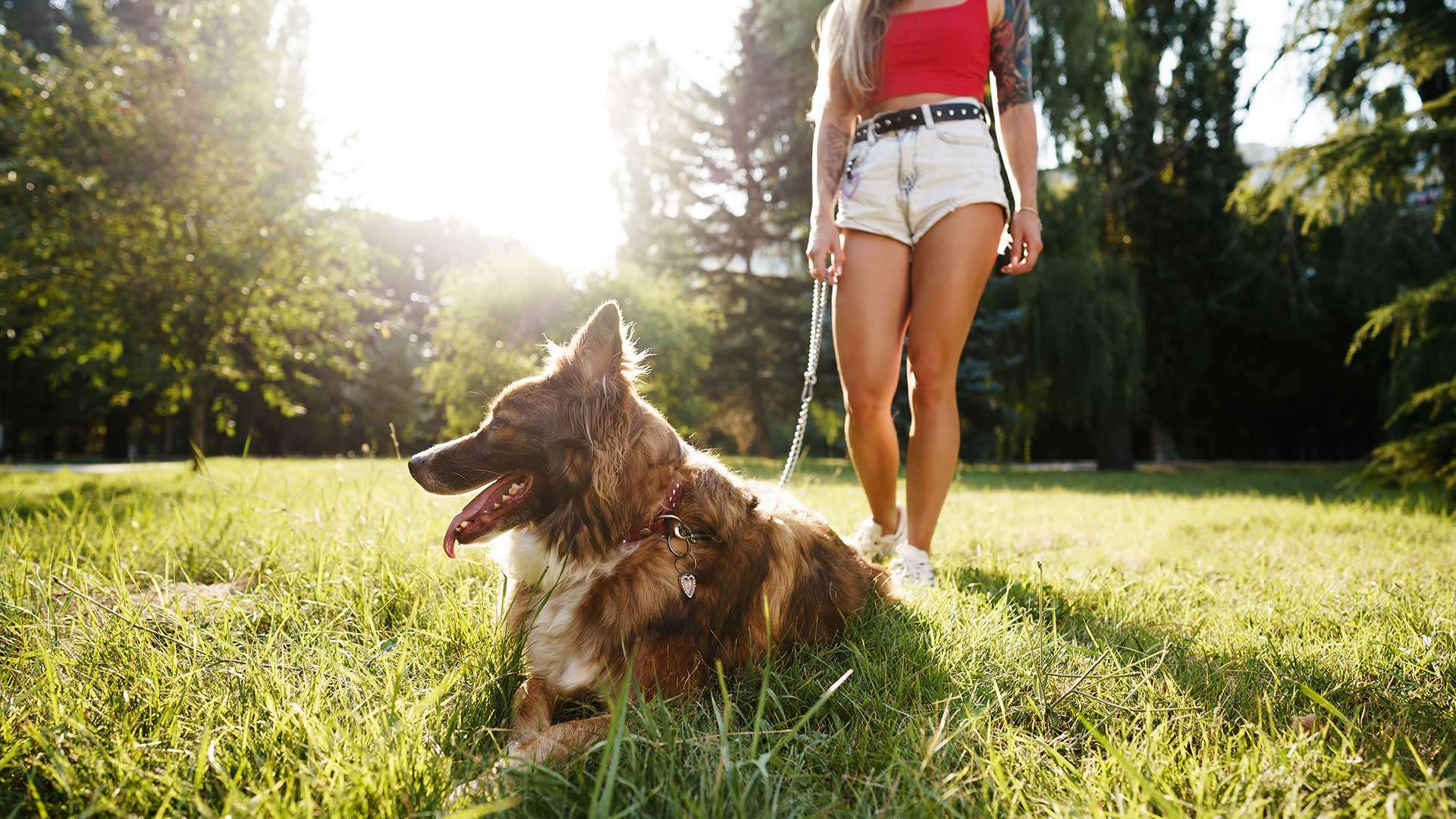
Warm weather affects dogs differently from people. Their bodies are not designed to release heat efficiently, which means temperature can build up quickly during exercise or when they are exposed to direct sunlight.
Understanding how dogs regulate heat helps owners recognise when conditions may be uncomfortable or unsafe.
Dogs mainly regulate body temperature through panting. As they breathe rapidly, moisture evaporates from the tongue and respiratory tract, helping the body release heat.
Unlike humans, dogs do not have widespread sweat glands across their skin. The only true sweat glands they possess are located in their paw pads, which contribute very little to overall cooling.
Because of this limited system, dogs rely heavily on airflow and shade to stay comfortable.
When temperatures rise, their ability to cool down depends largely on how easily heat can escape through panting. In hot or poorly ventilated environments, this process becomes much less effective.
Humidity plays a major role in how quickly dogs overheat. When the air already contains a high level of moisture, evaporation slows down. This makes panting less efficient and reduces the body’s ability to release heat.
Even when temperatures do not seem extreme, humid conditions can make dogs feel significantly hotter. You should always consider both temperature and humidity when planning walks or outdoor activities.
Surface temperatures often become far hotter than the surrounding air. Pavements, asphalt, and stone paths absorb sunlight throughout the day and can quickly reach temperatures that are uncomfortable or even dangerous for a dog’s paws.
Hot surfaces can cause irritation, burns, and reluctance to walk. They also contribute to overheating because the heat radiates upward into the dog’s body.
Choosing shaded paths, grassy areas, or woodland trails can reduce this risk and make walks far more comfortable during warmer weather.
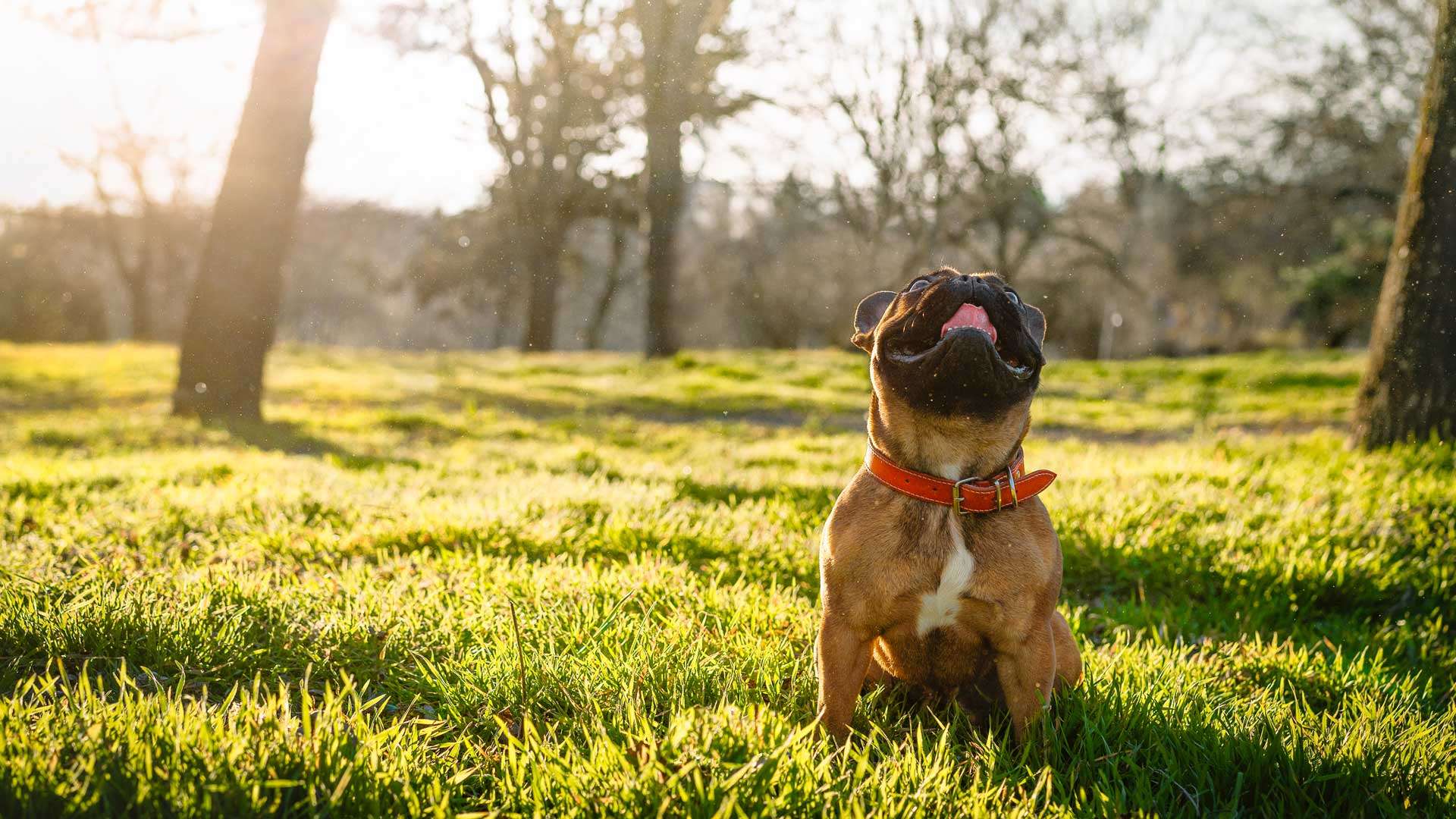
Recognising early signs of overheating is essential. Dogs often show subtle changes before serious symptoms appear, and noticing these signs quickly allows owners to intervene before the situation becomes dangerous.
Behavioural changes such as excessive licking, restlessness, or discomfort can sometimes signal underlying issues. If these behaviours appear, it is usually best to stop the activity, move your dog to a cooler area, and allow them to rest.
More severe symptoms require immediate attention and cooling measures.
These signs can indicate heat related illness and should never be ignored. Learning how to recognise and respond to heatstroke in dogs is extremely important, particularly during the warmer months when the risk increases.
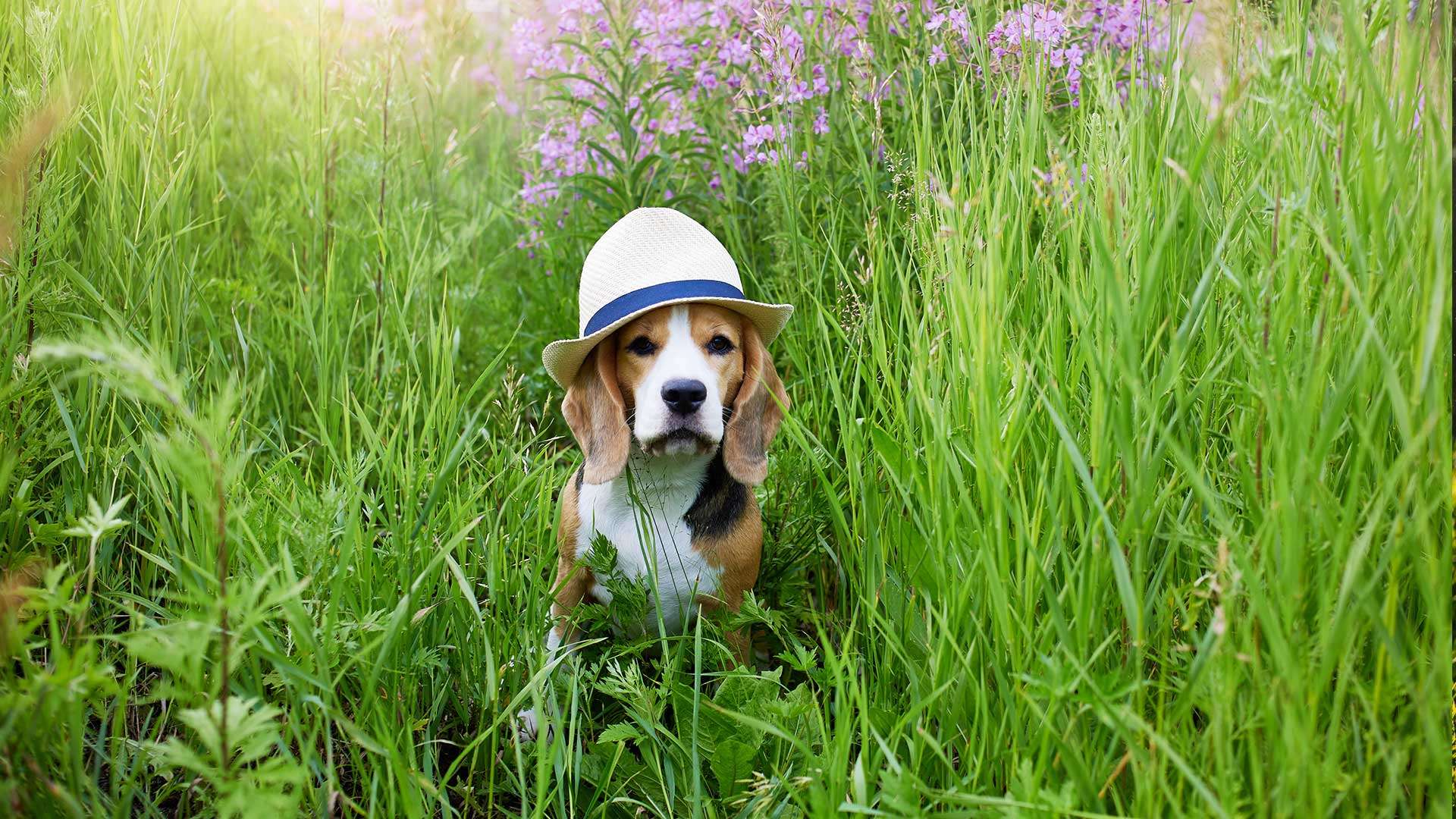
Warm weather does not always mean walks must stop completely, but it does mean routines often need adjusting.
Choosing the right time of day, paying attention to your dog’s behaviour, and checking the ground conditions can make a significant difference to their comfort and safety.
During warmer months, the safest option is usually to walk dogs during the coolest parts of the day. Early morning and later evening typically provide lower temperatures, softer ground, and far more comfortable conditions for exercise.
Midday heat is often the biggest risk. Even when the air temperature feels reasonable, direct sunlight can raise surface temperatures quickly, especially on pavements and roads.
Shorter walks using a Dog Lead allow you to control the pace, keeping exercise more comfortable during warmer weather.
Temperature charts are helpful, but they do not account for every situation. Each dog responds to heat differently depending on breed, age, fitness, and general health.
Because of this, paying attention to your dog’s behaviour is often the most reliable way to judge whether conditions are suitable.
Watch for early warning signs during a walk:
These signals often appear before more serious overheating symptoms develop. If you notice them, it is best to shorten the walk, adjust the route, or head home.
A dog that remains relaxed, energetic, and responsive is usually coping well. Even so, warm weather conditions can change quickly, so it is always sensible to stay attentive throughout the walk.
Hot pavements can become uncomfortable much sooner than many owners expect.
Surfaces such as asphalt and concrete absorb heat throughout the day and can remain hot even after the air temperature begins to drop.
A quick way to check the ground is the five second hand test.
Place the back of your hand on the pavement for around five seconds. If you cannot hold it there comfortably, the surface is likely too hot for a dog’s paws.
When pavements are warm, safer alternatives include:
Planning routes around shade and softer ground makes walks far more comfortable for dogs. Many owners find that adjusting their routine during warmer months becomes second nature once they understand how quickly surface temperatures can change.
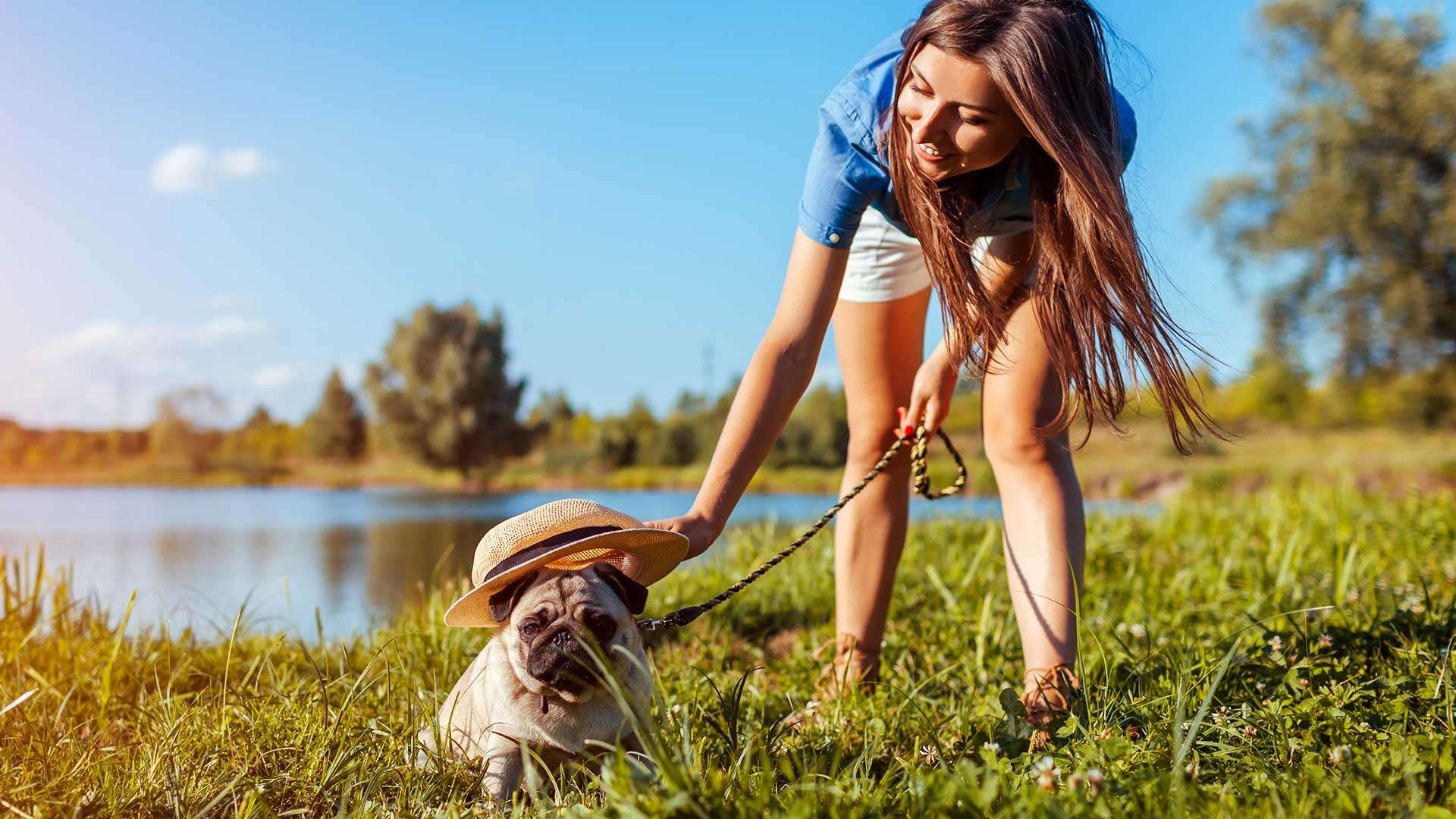
While any dog can struggle when temperatures rise, some are naturally more vulnerable to heat than others. Physical structure, age, weight, and underlying health conditions can all affect how well a dog regulates body temperature.
Understanding which dogs face higher risk helps owners take extra precautions during warm weather. Dogs that often require additional care in hot conditions include:
Flat faced breeds – Breeds with shortened muzzles, such as Bulldogs, Pugs, and French Bulldogs, have narrower airways that make panting less efficient. Because panting is their primary cooling method, these dogs can overheat far more quickly than longer nosed breeds.
Puppies – Young dogs are still developing physically and may not regulate temperature as effectively as adults. Their enthusiasm for play can also cause them to overexert themselves before they recognise they need rest.
Senior dogs – Older dogs often cope less well with extreme temperatures. Age related changes in circulation, mobility, and energy levels can make heat more challenging for them. Many owners begin noticing these changes as their dogs age, which is why understanding how to support dogs in their later years becomes especially valuable.
Overweight dogs – Excess body weight places additional strain on the heart and lungs. This can make cooling through panting less efficient and increase the risk of overheating during activity.
Dogs with heart or breathing conditions – Medical conditions that affect circulation or respiratory function can significantly reduce a dog’s ability to manage heat. These dogs often require shorter walks and closer monitoring during warm weather.
Recognising whether your dog falls into one of these categories allows you to adjust routines early, choose safer walking times, and provide additional cooling support when temperatures rise.
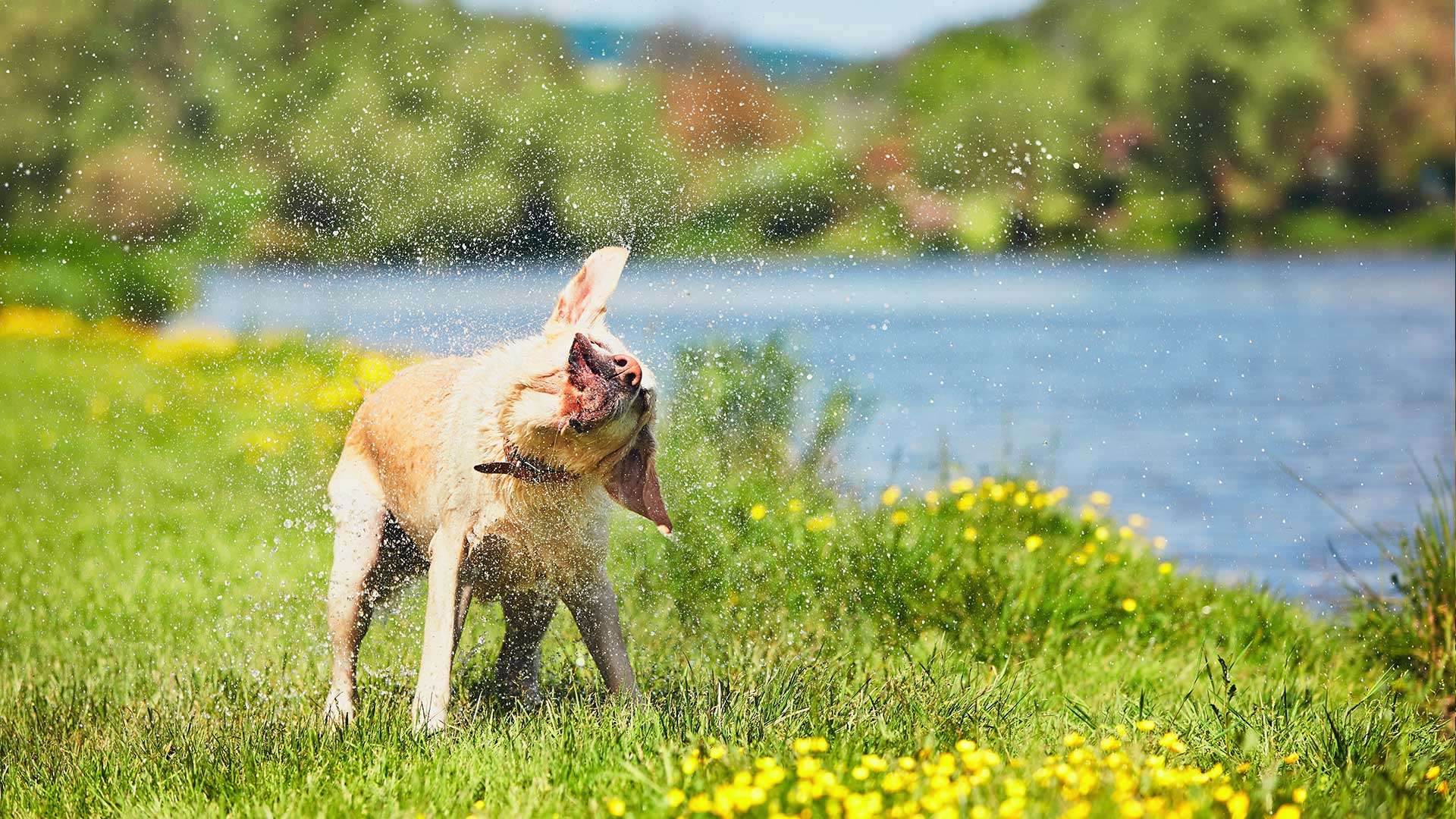
Once temperatures begin climbing, small changes to your routine can make a significant difference to your dog’s comfort.
Heat safety is not only about avoiding extreme conditions. It is about planning walks carefully, providing access to water and shade, and helping dogs cool down naturally throughout the day.
One of the simplest ways to protect dogs from heat is to change when walks take place. Early morning and late evening are usually the coolest parts of the day, which means pavements and pathways are less likely to retain heat.
Midday walks should generally be avoided during warm weather. Even if the air temperature feels manageable, direct sunlight can quickly increase surface heat and reduce airflow.
Shorter walks during cooler hours allow dogs to stay active without placing unnecessary strain on their bodies.
Choosing comfortable walking equipment, such as a well fitted Dog Harness, can also help dogs move more freely during warmer weather.
Fresh water should always be available, particularly during warm weather when dogs lose more moisture through panting. Keeping multiple water bowls around the home or garden encourages regular drinking and helps maintain hydration.
Dogs should always have access to a cooler resting area where they can escape direct sunlight. Trees, garden shelters, or shaded patios can provide a comfortable place to lie down and regulate body temperature naturally.
Some dogs benefit from additional cooling support when temperatures rise. Simple methods such as dampening a towel, encouraging rest on cool flooring, or providing airflow through fans can help lower body temperature.
For active dogs or those that still enjoy gentle walks in warmer weather, specialised cooling garments such as Cooling Dog Vests can also help manage heat by supporting evaporation and airflow around the body
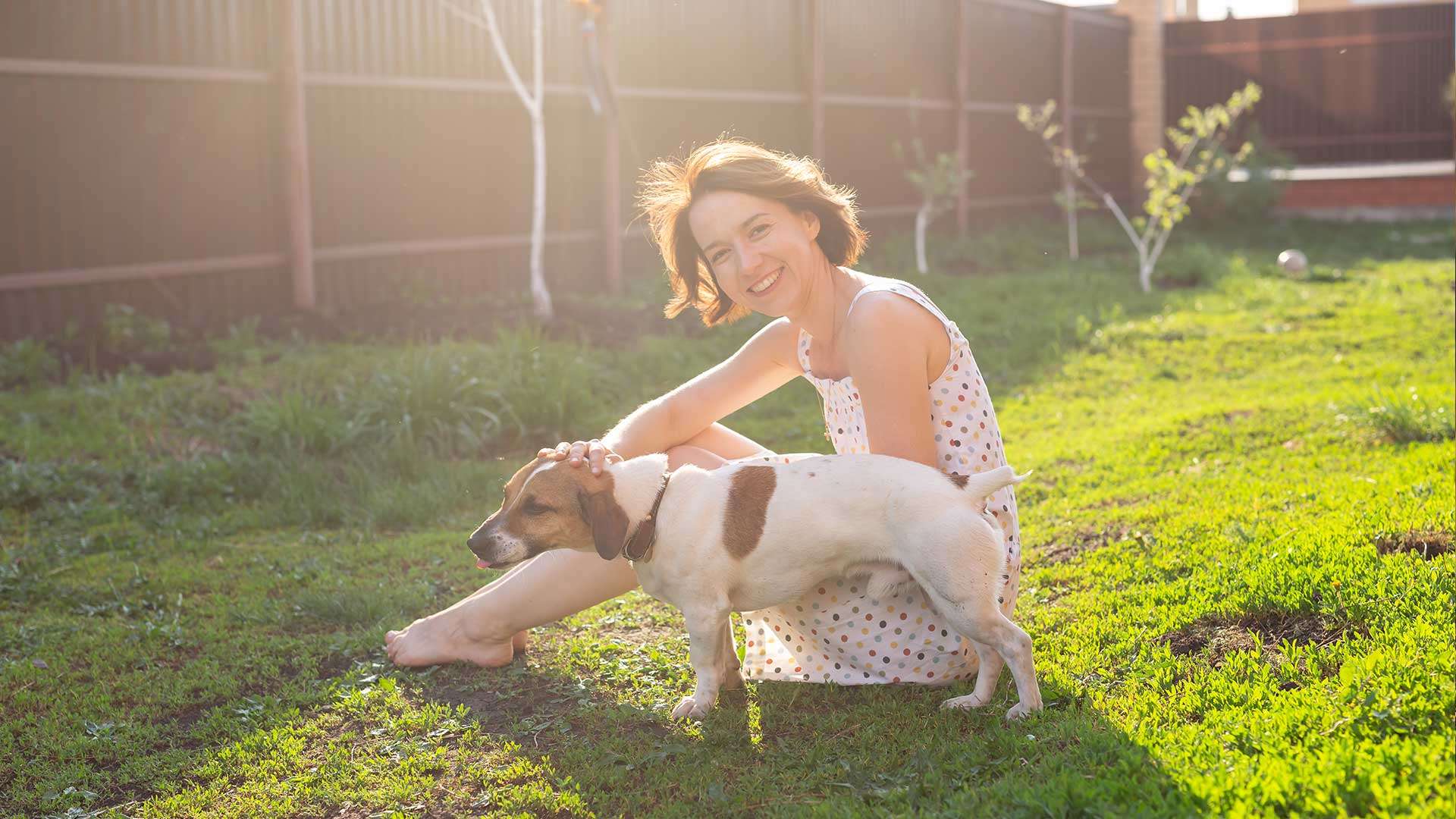
Hot weather affects dogs even when they are not exercising. Creating cooler spaces around the home and garden allows dogs to rest comfortably and avoid unnecessary exposure to heat.
Gardens should always include at least one shaded space where dogs can retreat when temperatures rise. Natural shade from trees is ideal, though covered areas such as pergolas, parasols, or sheltered corners can also provide relief from direct sunlight.
Placing bedding or a cooling mat in these areas encourages dogs to settle and relax rather than remaining in warmer parts of the garden.
Playtime does not need to stop completely during summer, but it should become shorter and more relaxed. Instead of long sessions of running or chasing, brief play periods with rest breaks help prevent overheating.
Cooling mats can also be useful during warmer weather, particularly when dogs are resting at home after walks or time outdoors. These mats are designed to absorb and disperse body heat, helping dogs settle more comfortably during periods of higher temperature.
Placing a Dog Cooling Mat in a shaded resting area or near airflow inside the home can provide a simple way to support temperature regulation and give dogs a cooler place to relax.
Many owners shift outdoor activities to early morning or evening when temperatures are lower. Garden games, scent searches, and gentle toy play can keep dogs mentally stimulated without demanding intense physical effort.
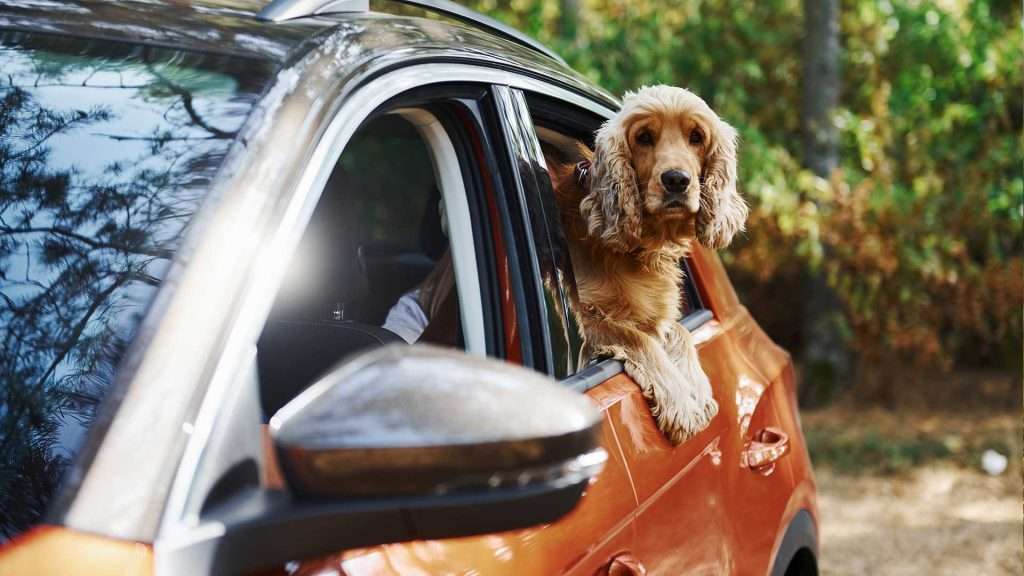
Journeys require extra planning during warm weather. Cars heat up extremely quickly, and even short trips can become uncomfortable if ventilation and rest breaks are not considered.
Vehicles can reach dangerously high temperatures within minutes, even when the outside temperature seems moderate. Dogs should never be left alone in a parked car, as heat builds rapidly and airflow becomes limited.
Whenever possible, journeys should take place during cooler parts of the day. Parking in shaded areas and ensuring windows or ventilation systems allow air to circulate helps keep conditions more comfortable.
Longer journeys require regular breaks so dogs can drink water, stretch their legs, and cool down. Carrying a travel bowl and fresh water allows you to offer drinks whenever needed.
Good airflow inside the vehicle also plays an important role. Air conditioning or open ventilation points help maintain a comfortable temperature, while shaded seating areas prevent direct sunlight from building heat around the dog.
Planning ahead becomes even more important for longer journeys, particularly when travelling in warm conditions, which we explore further in Travelling With Your Dog, Essentials To Ensure A Safe and Comfortable Trip.
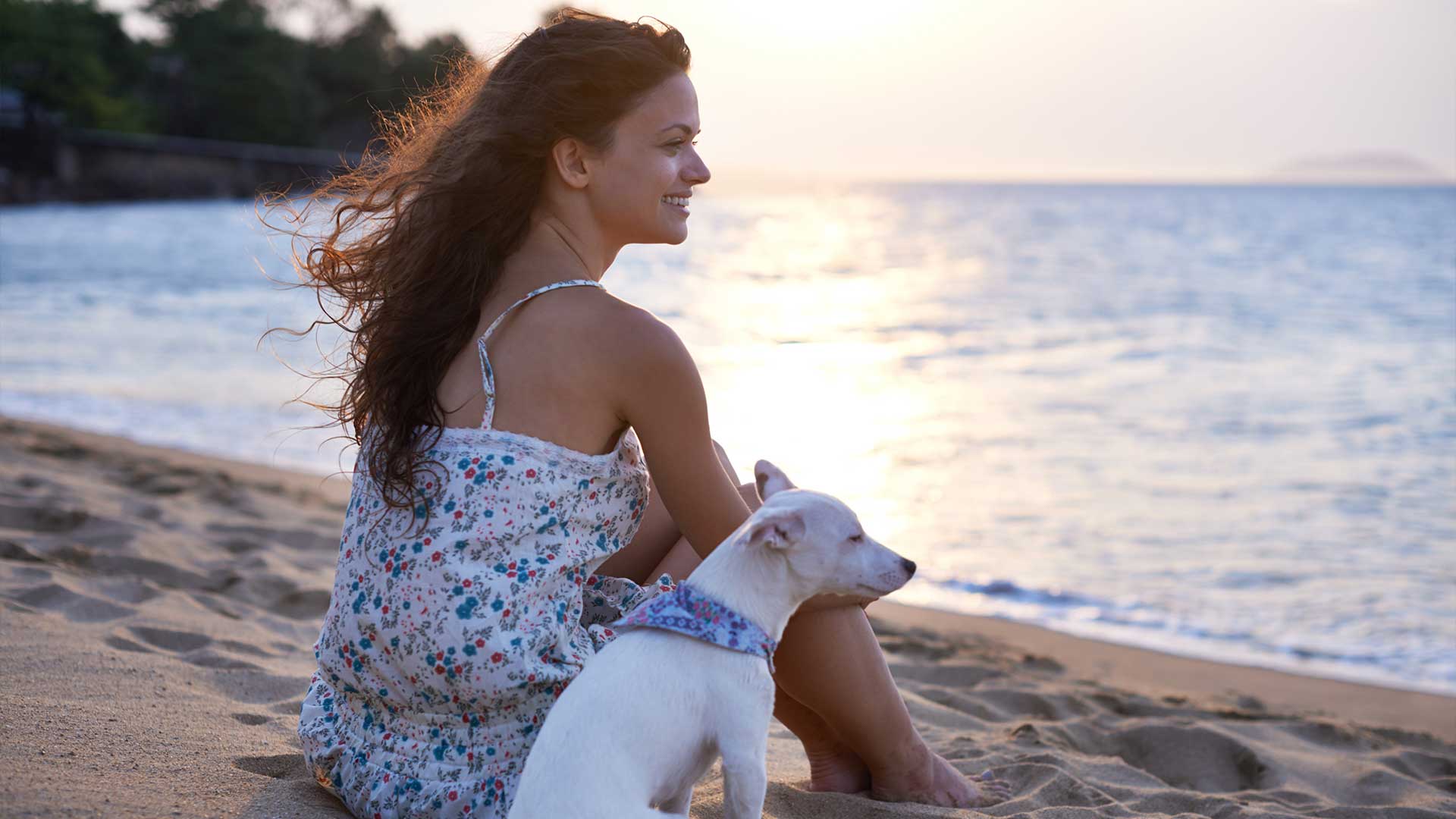
Warm weather does not have to limit the enjoyment of time spent outdoors with your dog. The key is understanding how heat affects them and adjusting daily routines to match the conditions.
Observing your dog’s behaviour, choosing cooler walking times, and providing shade and water all help prevent heat related problems. Some dogs cope well with warm weather, while others need a slower pace and more frequent rest.
By planning ahead and paying attention to small changes in behaviour, owners can keep their dogs comfortable and safe throughout the warmer months.
Thoughtful preparation and reliable information make a real difference, which is why many dog owners look for practical guidance and trusted resources when caring for dogs in the warmer months.
For many dogs, 25°C can already be too warm for comfortable exercise, especially in direct sunlight. Short walks may still be possible during the early morning or later evening, but longer walks and intense activity should usually be avoided. Dogs that are older, overweight, or flat faced may struggle even sooner.
If the pavement is too hot to hold your hand on for five seconds, it is too hot for a dog’s paws. Surfaces such as asphalt and concrete absorb heat quickly and can become dangerously hot even when the air temperature seems moderate.
Yes, dogs can overheat indoors if airflow is poor or rooms become very warm. Dogs should always have access to fresh water, shaded resting areas, and cooler surfaces such as tiles or wooden floors.
Temperatures above 24°C begin to increase the risk of overheating, particularly during exercise. When temperatures approach 28°C or higher, outdoor activity should usually be limited to very short toilet breaks.
Flat faced breeds, puppies, senior dogs, overweight dogs, and dogs with breathing or heart conditions often find hot weather much harder to tolerate. These dogs usually benefit from shorter walks, more frequent rest breaks, and extra cooling support during warmer months.