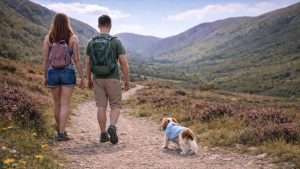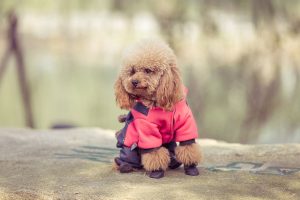

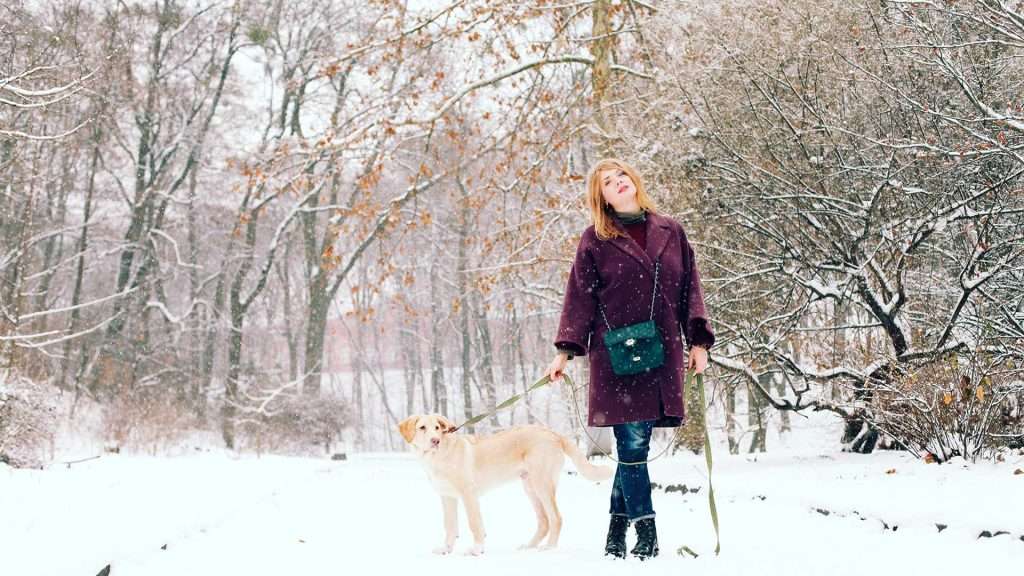
Walking is one of the most valuable parts of a dogs day. It supports physical health, strengthens confidence, and gives them a chance to explore the world at their own pace.
Each season brings its own challenges and rewards, so understanding how to adapt your routine helps keep every walk safe, enjoyable, and calm.
From warm coats in winter to cool shaded routes in summer, small changes make a big difference to your dogs comfort.
Walking also reinforces routine, which plays a huge part in helping dogs feel grounded and secure throughout the year.
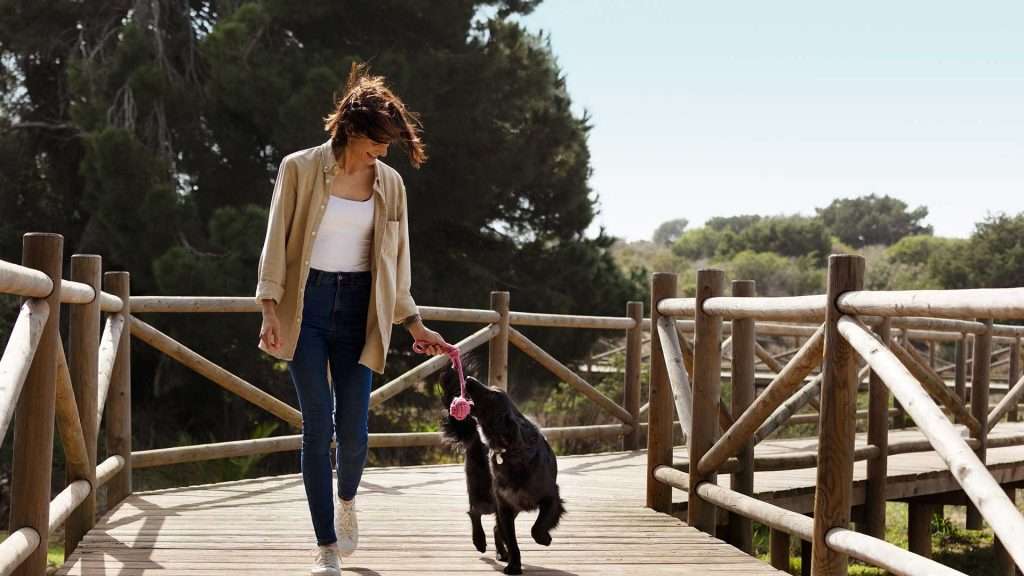
A gentle awareness of your dog’s needs helps you shape walks that feel enjoyable rather than overwhelming. Every dog is different, and their ideal level of activity changes with age, health, and experience.
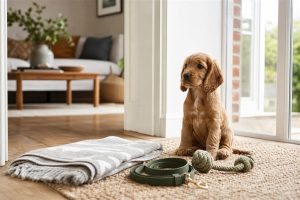
Puppies benefit from short, gentle bursts of exercise mixed with plenty of rest. Their bodies tire quickly and too much too soon can affect growing joints.
The first few days after coming home are often when puppies feel most unsure, and short walks combined with quiet reassurance help them build confidence as they begin settling into their new routine.
Adult dogs usually enjoy longer, more structured walks that give them time to explore and stretch their legs.
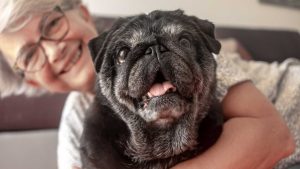
Senior dogs may prefer slower routes, softer ground, and extra warmth, especially in colder seasons. They often find the greatest comfort in steady walks and familiar routines that support their changing needs as they age.
Energy levels vary between breeds too, so matching the pace to your dogs natural rhythm helps keep them balanced and content.
Look for subtle shifts in behaviour. Restless pacing, seeking attention, or difficulty settling can suggest your dog needs more activity.
Reluctance to leave the house, slowing down during walks, or taking longer to recover afterwards may mean they would benefit from shorter or gentler outings.
Try to observe their body language from day to day. Small changes often tell you everything you need to know.
It is important to recognise when your dog is doing too much. Keep an eye out for:
Puppies and senior dogs are more vulnerable to overexertion, so shorter, calmer walks often suit them best.
In warmer months, choose shaded routes, use Dog Cooling Vests and avoid the hottest times of day to prevent heat stress.
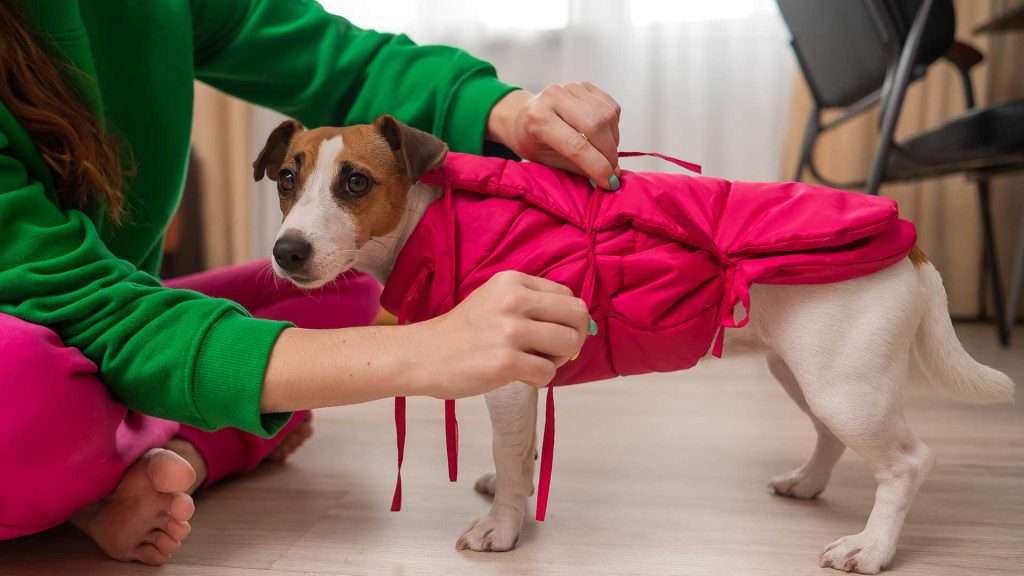
Good preparation turns an ordinary walk into a smooth and enjoyable experience. Having the right equipment and a calm routine helps your dog feel secure from the moment you clip on their lead to the time you return home.
Finding the right walking gear is one of the simplest ways to make walks calmer and more enjoyable. Each piece, the collar, harness, and lead plays a part in how your dog moves, feels, and responds to you during a walk.
Choosing wisely helps build confidence and control while keeping your dog comfortable.
Dog Collars are useful for carrying identification tags and is often the first thing a puppy learns to wear. Look for one made from soft, durable material that sits comfortably around the neck without rubbing. Flat collars suit most dogs, while those with a wider band can help spread pressure more evenly for breeds with slender necks, such as Whippets or Greyhounds.
Make sure you can slip two fingers between the collar and your dog’s neck. Too tight can cause discomfort, and too loose may lead to slipping out. Collars should be checked regularly for signs of wear, especially if your dog likes to swim or rolls in the mud.
A good Dog Harness supports the body evenly and prevents pressure on the throat, making it ideal for dogs that pull or lunge.
There are a few types worth knowing:
For very energetic dogs, a supportive Y-shaped harness gives full range of movement and helps prevent rubbing under the arms. Harnesses are also safer than collars for puppies, senior dogs, or breeds with delicate necks.
The right Dog Lead gives you steady control while allowing freedom for your dog to explore safely. Short leads (around one metre) work well for city walks and close control, while longer training or adjustable leads are great for open spaces or recall practice. Avoid using retractable leads on busy pavements, they can cause tangles or sudden jerks if your dog changes direction.
Material matters too. Soft padded leads are comfortable to hold during longer walks, while rope or webbing styles offer excellent strength for larger dogs. Reflective stitching is a useful feature during evening walks, adding visibility as the light fades.
Top Tip – The best walking setup is one that feels effortless for both of you; secure, comfortable, and built to last.
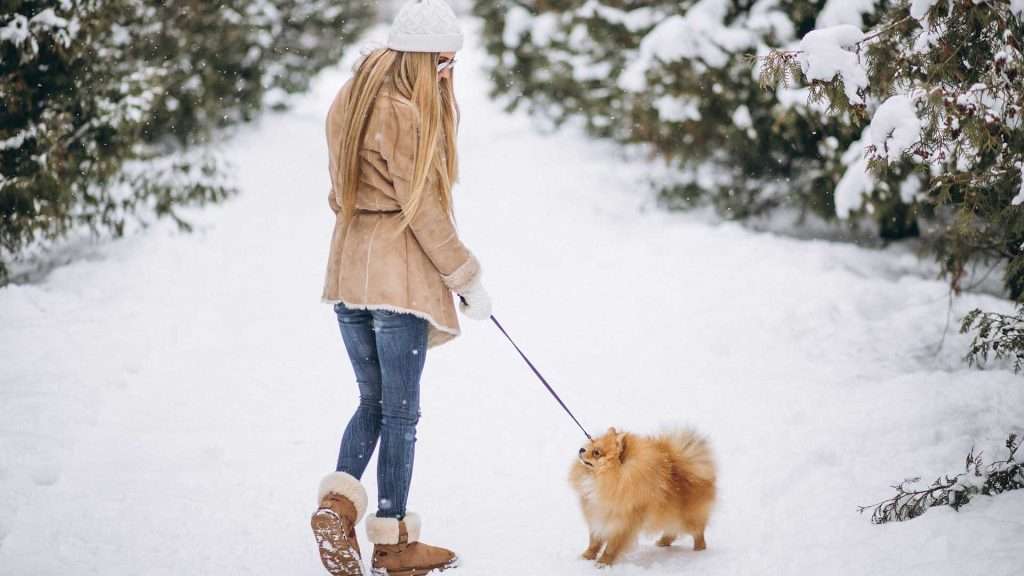
Winter walks can be peaceful and refreshing, but cold weather brings challenges that require extra care. With the right preparation, your dog can stay warm, dry, and happy even on the chilliest days.
Some dogs are more sensitive to cold than others, especially breeds with short coats, smaller dogs, or older pets. A well fitted Dog Coat provides essential protection against wind and rain while helping them retain body heat.
Coats with a built in harness are particularly useful for quick outings, offering warmth and practicality in one piece.
If your dog enjoys longer walks, choose a Waterproof Dog Coat for rainy days and a soft fleece style dog coat for clear, chilly.
Make sure your dog has a warm bed or blanket at home. This helps them regulate body temperature and encourages proper rest after cold outdoor walks.
Top Tip – Warmth is not a luxury in winter, it is an important part of keeping your dog healthy and comfortable.
When frost, snow, or strong winds make long walks uncomfortable, shorter outings combined with indoor activities are often best. Mental stimulation helps replace physical exercise and keeps your dog calm, focused, and happy at home.
Try a mix of simple, engaging activities:
Staying indoors does not have to mean boredom. A few creative ideas will keep your dog entertained and emotionally balanced, even when the weather keeps you both inside.
Grit and salt used on pavements can irritate your dog’s paws and cause discomfort if licked after walking. Before heading out, applying a light paw balm creates a gentle barrier that reduces irritation. After walks, rinse your dog’s feet in warm water and dry thoroughly, paying attention to the areas between the pads.
Keep an eye out for icy patches that could cause slips or sudden pulls on the lead. When paths are frozen, walk at a slower pace to help your dog stay steady and confident.
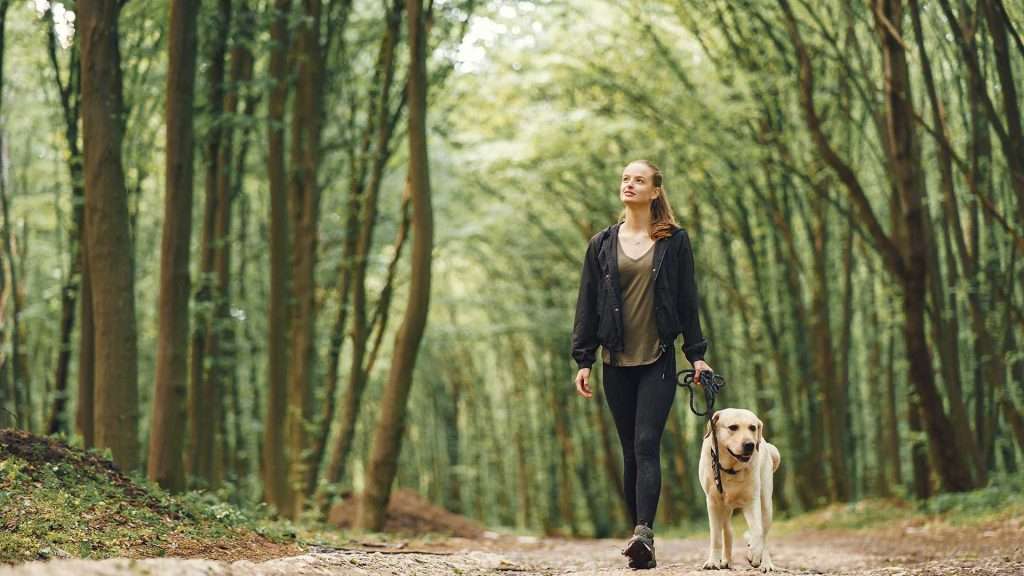
Spring brings new energy after the quiet of winter. Longer days, mild sunshine, and fresh scents make it one of the best seasons for exploring outdoors.
With the warmer weather comes new challenges that are worth preparing for before heading out.
As flowers bloom and grass grows, some dogs experience mild seasonal allergies. You may notice itching, redness, watery eyes, or frequent licking after walks.
Simple ways to help:
A few extra minutes of care after each walk helps keep your dog comfortable through the spring and into summer.
Spring weather can be unpredictable, cool mornings, warm afternoons, and sudden showers. Adjust your walking schedule to the temperature, taking shorter midday walks when it gets warmer.
Regular grooming supports coat health as your dog sheds their thicker winter layer. A soft brush or grooming mitt removes loose fur, improves circulation, and keeps the skin in good condition.
Spring is a season of renewal, and for dogs, that means shedding old layers, exploring new scents, and rediscovering the joy of being outdoors.
Spring walks often mean muddy trails and damp grass. Keeping a towel near the door makes cleaning up quick and easy. Pay close attention to the spaces between the pads, where small stones or grit can hide.
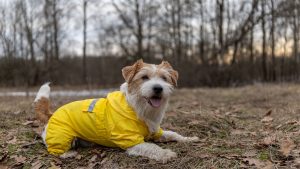
If your dog dislikes walking in wet or chilly conditions, a light waterproof dog coat can make outings far more pleasant. It keeps your dog dry, prevents chills, and saves time drying them afterward.
Quick paw care tips:
Clean paws mean fewer muddy footprints at home and a happier, healthier dog.
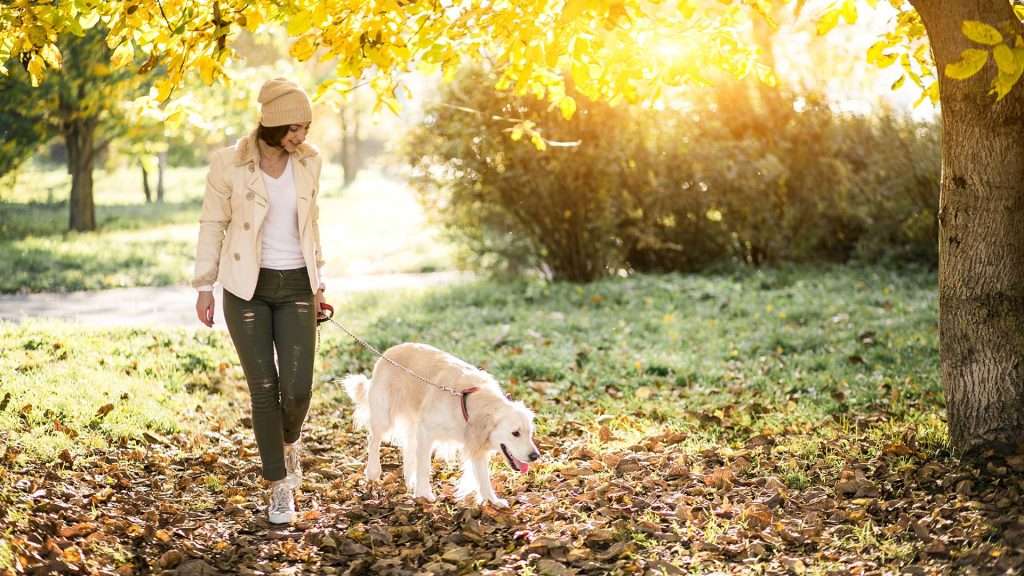
Warm evenings, long days, and golden light, summer is a wonderful season for dog walks, but it comes with its own challenges.
Knowing how to adapt your routine will keep every walk enjoyable and safe for your dog.
The biggest risk in summer is the heat. Dogs can overheat quickly, even on days that don’t feel extreme to us. Keep walks short, calm, and scheduled during the cooler parts of the day.
Best times to walk:
If you notice panting that doesn’t ease, drooling, or slowing down, stop immediately and move your dog into the shade. A cool drink and a few minutes of rest can prevent heat exhaustion.
Top Tip – Short-coated or flat faced breeds like French Bulldogs and Pugs feel heat more intensely. A lightweight cooling dog vest can make a noticeable difference for them.
Hydration isn’t optional in summer, it’s essential. Even short walks can leave dogs thirsty and tired.
Keep a walking kit ready:
If you plan a road trip, it’s worth reading Travelling With Your Dog – Essentials To Ensure A Safe and Comfortable Trip, which shares practical ways to manage long journeys in warm weather.
Let your dog drink freely and rest often. A shaded bench or grassy patch can be a welcome break before heading home.
Just like us, dogs can get sunburnt, particularly on the nose, ears, and thinly covered areas. Apply a dog safe sunscreen before longer walks, and try to avoid open spaces at midday.
For extra protection, a light, breathable dog cooling vest works well for dogs with pale fur or fine coats.
Grooming also plays a role, brushing removes dead hair, allowing air to flow through the coat naturally.
Avoid shaving or cutting the coat too short in summer. The top layer of fur helps regulate temperature and protects from UV rays.
Summer is made for play, but not all dogs enjoy intense activity in the heat. Try gentler, cooler games to keep things fun without exhaustion.
Ideas for summer enrichment:
Alternate between short bursts of play and longer rest periods.
The best summer walks combine freedom, safety, and plenty of water breaks, keeping your dog happy without pushing their limits.
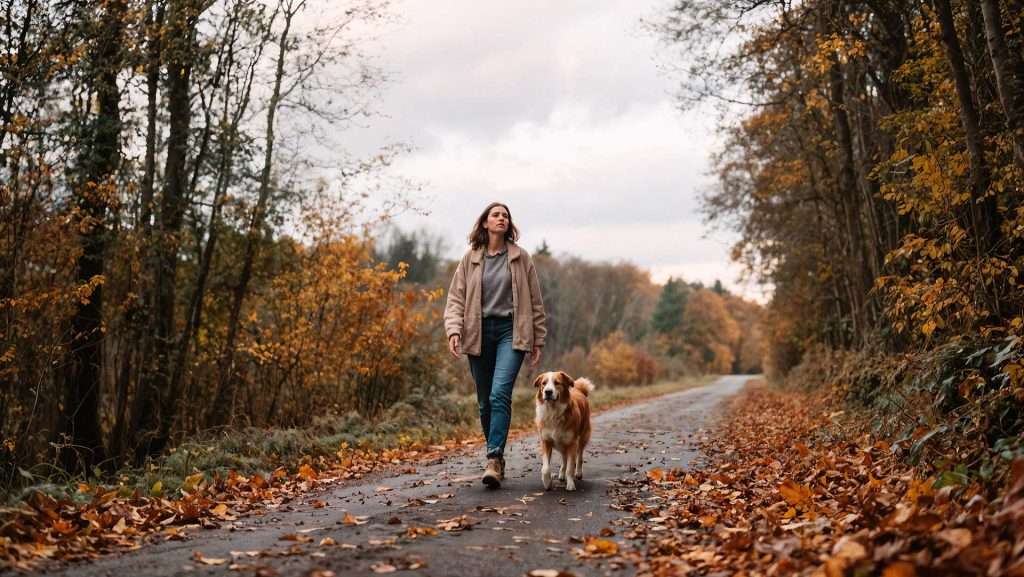
Cooler air, golden leaves, and earthy scents, autumn walks are some of the most beautiful of the year. However, shorter days and changing conditions mean a little extra awareness goes a long way.
Fallen leaves may look picturesque, but they can hide all sorts of hazards beneath the surface. Broken glass, uneven ground, or hidden sticks can easily catch paws.
Quick guide for safer autumn walks:
If your dog has long fur, it’s worth brushing them after each walk, leaves and burrs can cling to their coat and cause irritation later.
Autumn may look calm, but the ground can hide surprises. A minute of checking prevents an evening of paw licking.
With evenings arriving earlier, visibility becomes one of the most important safety factors. Reflective Dog Coats, collars, harnesses, and leads help keep you and your dog visible to traffic and cyclists.
Did you know?
Most drivers spot a reflective collar at twice the distance of a standard one. A reflective harness or coat increases that visibility even further.
Brighter walks mean safer walks, a small reflection can make a big difference.
Q: Why do dogs seem extra excited in autumn?
A: The ground is richer with new scents, fallen leaves, mushrooms, wet soil, and wildlife activity all grab their attention.
This sensory overload is great for mental stimulation, but it can make recall more difficult.
As the evenings draw in and daylight fades more quickly, it’s easy for walks to start feeling routine. Making a few simple adjustments keeps things stimulating for both you and your dog.
Try exploring a new park or trail once in a while, even if it’s just a short drive away. Changing your pace can also make a big difference, mix slower, scent led walks with brisker routes to balance relaxation and exercise.
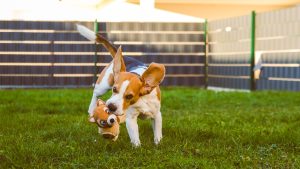
Bringing Dog Toys along is another way to add variety. Short recall games or gentle hide and seek moments during your route help strengthen focus and make the walk feel more interactive.
You can even weave in brief training exercises, such as practising “heel” or “wait”, to engage your dog’s mind while on the move.
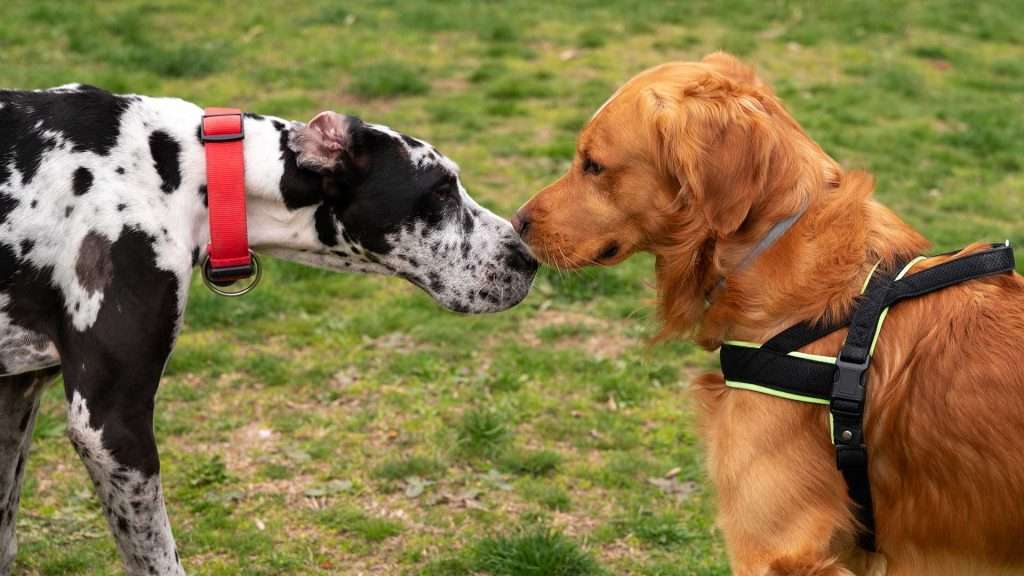
Walks are more than daily exercise, they’re a social experience. Every outing teaches your dog how to behave calmly around others, respond to your guidance, and build confidence in different environments.
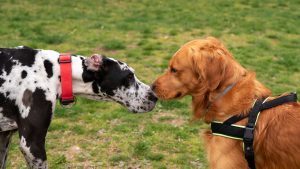
Meeting another dog can be exciting, but for many dogs, it’s also a moment of uncertainty. The key is to keep things relaxed and optional.
Allow dogs to approach at an angle rather than head on, and keep the lead loose so neither feels trapped. A few seconds of sniffing is usually enough; then encourage your dog to move on.
Always ask the other owner first, not every dog enjoys socialising, and giving space shows good manners on both sides.
If your dog becomes overly excited or nervous, calmly redirect their focus with a treat or a quiet “let’s go”. Over time, short, positive interactions build polite habits that make future greetings effortless.
Calm meetings grow from gentle confidence, not forced interaction.
Some dogs find busy paths or loud noises overwhelming, and the signs are easy to miss unless you know what to look for.
Watch for these early stress signals:
If you see these cues, create a little distance, speak softly, and allow your dog time to process what’s happening. Encouraging sniffing or a slow change of direction can help lower tension.
A calm, observant owner helps their dog feel safe enough to relax and learn.
Loose lead walking isn’t just about stopping your dog from pulling, it’s about moving together as a team.
Dogs pull when they’re excited, curious, or unsure, so focus on steady rhythm and gentle feedback rather than constant correction.
Start each walk in a calm mindset. When the lead tightens, pause without saying a word, then continue once your dog eases back to your side.
Reward with small treats or gentle praise when they match your pace. If distractions are too much at first, practice in quieter places before heading onto busier routes.
Busy walkways are full of moving distractions, and polite passing takes practice.
Here’s a quick approach that works well:
Step 1 – Notice what’s ahead early, gather the lead gently before your dog reacts.
Step 2 – Move your dog to your opposite side, keeping them between you and the distraction.
Step 3 – Walk with quiet confidence; your calm tone tells them there’s nothing to worry about.
Step 4 – Once you’ve passed, reward focus with a soft ‘good’ or a treat.
If cyclists or joggers approach quickly, step aside for a moment rather than holding your ground. Over time, your dog will associate these passing moments with calm direction and quiet praise.
Consistent, calm handling makes every shared path feel smoother.
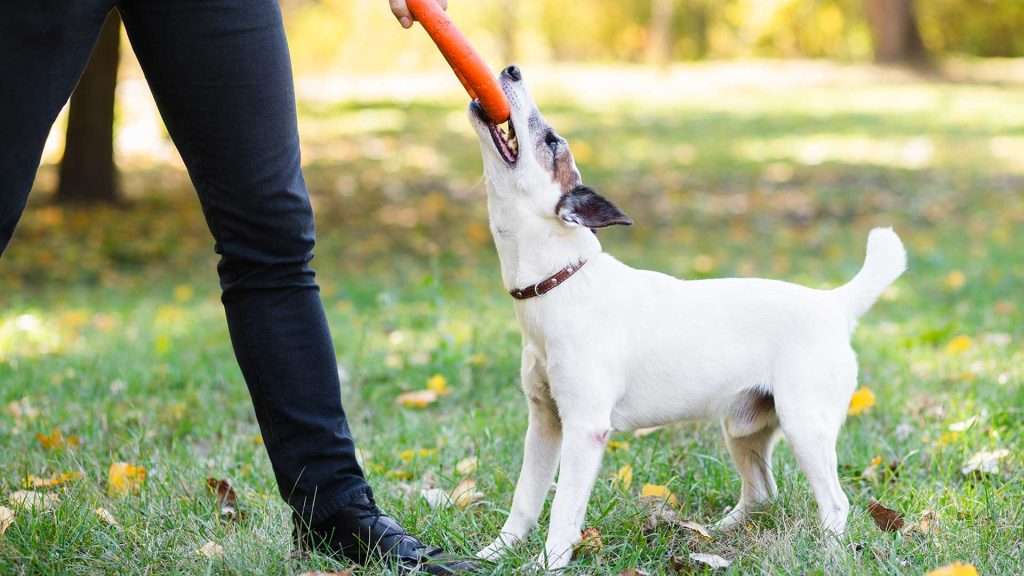
Walks aren’t only about distance or speed, they’re a chance for your dog to explore, think, and build confidence. Enrichment during walks keeps them mentally sharp and emotionally balanced, turning an ordinary outing into something genuinely rewarding.
Sniffing isn’t a distraction; it’s communication. For dogs, every scent tells a story, who has passed by, what’s happening nearby, and how the environment feels. Allowing your dog time to sniff helps them decompress and process the world at their own pace.
Think of sniffing as your dog’s version of reading the morning paper.
A few extra minutes to explore scents can lower stress, build focus, and even reduce reactivity over time.
If your schedule allows, try alternating brisk walks with slower “sniff walks” where exploration is the goal. A comfortable harness and lead from your walking collection makes this easier, giving freedom without losing control.
A relaxed nose often leads to a relaxed mind.
Confidence grows when dogs experience new sights, smells, and textures under calm, predictable conditions. You don’t need to travel far, even small changes like walking a route in reverse, exploring a new park, or visiting a quiet woodland can make a big difference.
Varying your walks helps desensitise nervous dogs and keeps confident ones from getting bored.
Start with shorter visits to quieter spaces before gradually introducing busier areas. Every new path is a chance for your dog to build trust, both in you and in themselves.
Play is one of the easiest ways to strengthen focus and make walks more enjoyable. You can turn almost any environment into a small adventure with a few light games:
Games build connection. They teach your dog to see you as part of the fun, not just the one holding the lead.
Outdoor play brings extra stimulation, but it also means thinking about safety.
Choose toys made for outdoor use, durable, easy to clean, and large enough to avoid choking risks. Soft rubber or rope toys are ideal for fields or parks, while floating toys work well near calm water.
Avoid throwing sticks or stones, as splinters and impact injuries are common. Instead, bring a safe Fetch Toy that can handle being tossed on grass or sand. After play, always check toys for damage and replace them if worn.
The right toys create freedom, fun, and focus, keeping walks lively without risking safety.
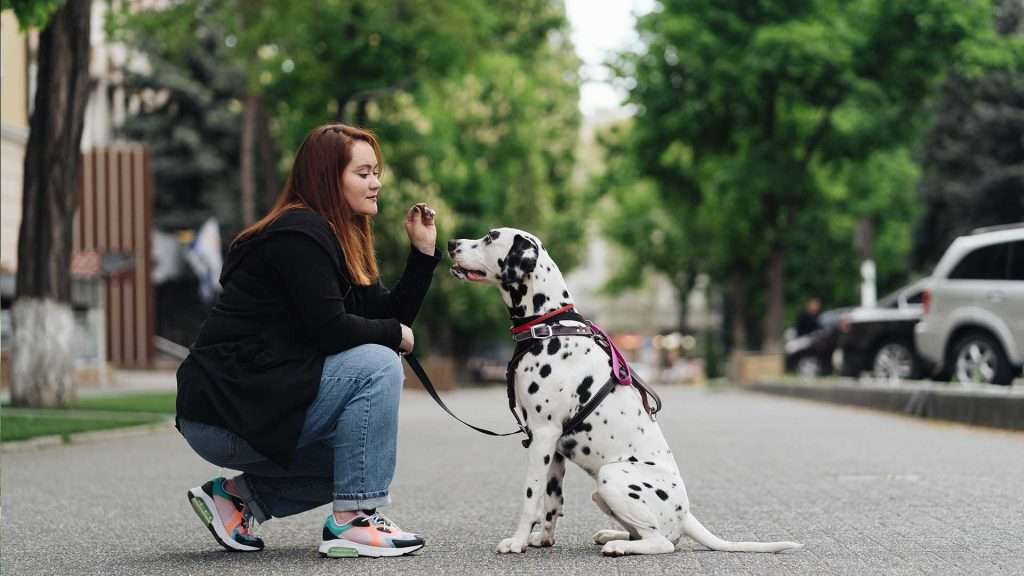
Safety and freedom go hand in hand. Whether you’re walking through busy streets or open fields, a little awareness goes a long way in keeping your dog calm, focused, and out of harm’s way.
Urban walks come with constant movement, cars, cyclists, and pedestrians; so steady, predictable behaviour is key.
Always keep your dog on the side furthest from traffic and use a short lead for better control near roads. Before crossing, pause at kerbs and encourage your dog to sit or stand calmly beside you.
Consistency is everything. With time, your dog will learn to stop automatically when you do, creating a calm and reliable walking rhythm. Reflective harnesses or leads also help make you both more visible, especially in dim light. You can naturally link to your collars, leads, and walking accessories here, as safe, well-fitted gear gives confidence and control in busy environments.
Good road sense starts with good habits, repetition builds safety without fear.
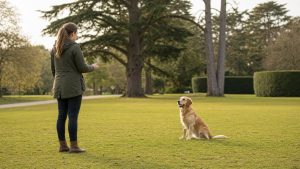
Reliable recall is one of the most valuable skills a dog can learn. It keeps them safe while giving the freedom to explore. Begin in a quiet, enclosed space where distractions are minimal. Use a cheerful tone, call once, and reward instantly when they come to you.
Avoid common mistakes:
A consistent recall isn’t about control; it’s about trust built through positive repetition.
Before unclipping the lead, take a moment to read the environment. Scan ahead for wildlife, livestock, other dogs, or distractions that could trigger unwanted chasing or nervousness.
Here’s a quick checklist to follow:
If the answer to any of these questions raises doubt, it’s best to keep the lead on. Safety comes first, and it never compromises enjoyment, confidence grows through steady experiences, not risk.
The most reliable off lead walks begin with awareness, not impulse.
Every dog communicates through small, consistent gestures. A relaxed tail, soft eyes, and slow breathing mean they’re comfortable. Tight muscles, tucked tails, or constant scanning suggest tension or unease. Learning to notice these signals helps you step in before stress builds.
If your dog suddenly stops responding or seems distracted, it may be their way of saying the environment feels overwhelming. A quiet voice, a change of direction, or even a short rest helps reset their focus. For dogs still learning confidence, gentle reassurance and steady pacing work better than pressure.
Awareness turns a walk into a partnership, one where you’re both listening and responding to each other.
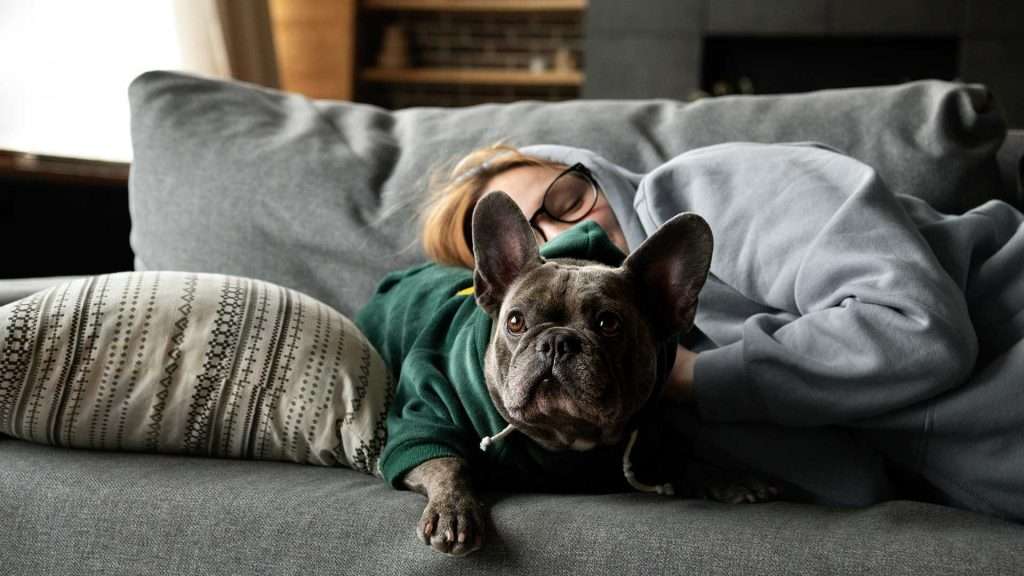
A good walk doesn’t end at the door. What happens afterwards matters just as much as the walk itself. Helping your dog unwind, hydrate, and rest properly supports their health, comfort, and overall happiness.
After an energetic walk, especially in warmer weather, it’s best to slow the pace gradually. Give your dog a few minutes to stroll calmly before reaching home, this helps regulate breathing and reduces muscle stiffness. Once inside, offer fresh water straight away and let them settle in a quiet spot.
If your dog tends to overheat, a cool mat or light misting with water can help bring their temperature down safely. For winter walks, towel dry your dog gently to remove moisture and prevent chills.
The goal isn’t just exercise, it’s balance. Every good walk deserves a calm, restful ending.
Small checks after each walk help catch minor problems before they turn into bigger ones.
Paws – Look for small cuts, trapped grit, or cracks between the pads. Wipe them gently and apply balm if they’re dry.
Coat – Run your hands through the fur to remove grass seeds or burrs, especially around the ears, tail, and belly.
Skin – Watch for signs of irritation, redness, or dryness caused by seasonal changes.
Regular brushing keeps the coat clean and healthy, and it’s a lovely way to bond.
A few minutes of care keeps your dog looking and feeling their best, and builds trust with every touch.
Hydration is essential, even after short walks. Always keep a bowl of fresh water available, and encourage your dog to drink calmly once they’ve rested. On longer days out, portable bottles or collapsible bowls make it easier to offer water regularly.
If your walk has been particularly active, a small healthy snack or treat helps restore energy.
Rehydration and rest are simple habits that keep dogs strong, healthy, and ready for their next adventure.
Some dogs find it hard to switch off after an exciting walk, especially puppies or high energy breeds. Giving them a few minutes to decompress in a quiet space can make a big difference. A soft bed, dim lighting, or gentle background music helps signal that the active part of the day is over.
For older dogs, gentle stretching or a quick brush-down can also help ease stiff muscles and support circulation. If your dog enjoys comfort toys or chews, this is a natural point to link to your dog toys section, a soft chew toy encourages relaxation while keeping them mentally settled.
Walks strengthen the body, but rest strengthens the bond. Knowing when to slow down is just as important as knowing when to move.
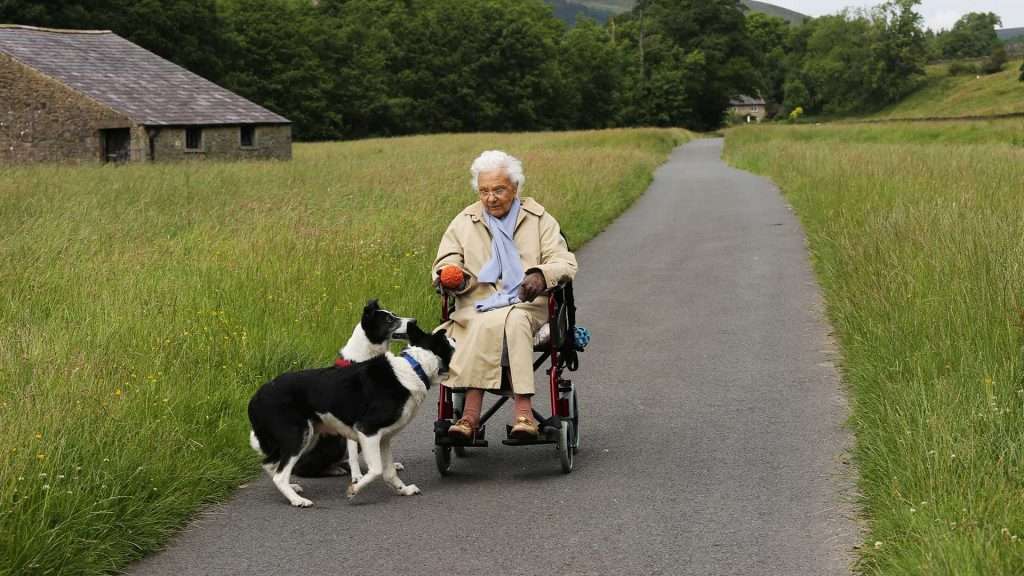
Every dog is unique. Some need slower walks, quieter routes, or extra reassurance to enjoy their time outdoors. With small adjustments, you can make sure every walk feels safe, comfortable, and full of positive experiences, no matter your dog’s age, confidence, or health.
Anxious dogs often find busy or unpredictable environments overwhelming. The goal isn’t to avoid walks but to build confidence slowly, one step at a time. Start in familiar, quiet spaces where your dog feels secure, and reward calm behaviour with gentle praise or small treats. Gradually introduce new environments, keeping each experience short and positive.
If your dog struggles with traffic noise or crowds, try walking early in the morning or later in the evening when it’s quieter. A well fitted harness helps them feel secure, and bringing along a familiar scent, like their blanket, can provide reassurance.
Confidence doesn’t come from exposure alone, it comes from trust built one calm walk at a time.
Senior dogs often enjoy walking just as much as they always have, but their bodies may need a little extra care. Watch for stiffness, slower movement, or signs of fatigue.
Shorter, gentler walks on softer surfaces are easier on joints, and frequent breaks give them time to rest.
A few simple adjustments help:
Age doesn’t end adventure; it simply changes the pace.
Puppies are full of energy but tire easily, so short, positive walks are best while they grow. The world is still new to them, every scent, sound, and sight is an opportunity for learning. Let them explore calmly, but avoid long walks until their joints are fully developed.
Socialisation walks, where your puppy observes rather than interacts, build confidence safely. Keep routes simple, and pair each new experience with calm praise or treats.
A lightweight harness is safer than a collar for young dogs, and in colder weather, a soft puppy coat adds warmth without bulk.
Early walks aren’t about exercise, they’re about discovery.
Recovery walks are about healing, not endurance. Always follow your vet’s advice on how far and how often to walk. Start with short, steady routes on level ground, keeping your dog on a lead to prevent sudden movement or strain.
Gentle pacing and controlled freedom help muscles rebuild safely. If your dog is recovering from surgery or joint problems, non slip harnesses give better support and prevent pressure on healing areas.
After each walk, check for signs of fatigue or limping and allow extra rest. A warm dog coat helps maintain comfort and circulation in cooler weather, and a soft bed supports recovery once home.
Healing takes patience. The right balance of movement and rest helps your dog regain strength without stress.
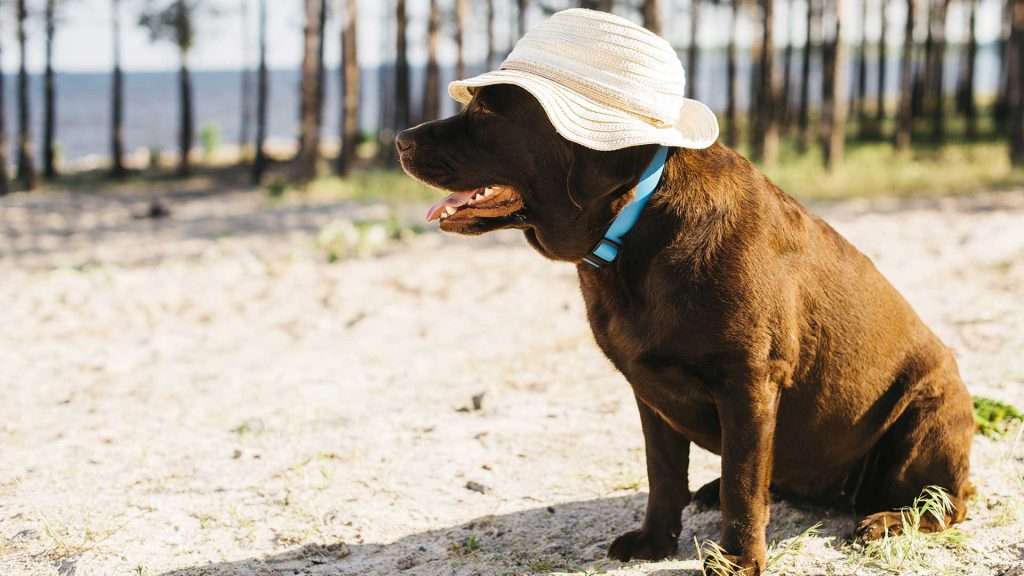
Some days, the safest walk is no walk at all. Extreme weather can affect your dog’s comfort, safety, and wellbeing faster than you might expect. Knowing when to stay indoors, and how to keep your dog content on those days, helps you make the best choice for every situation.
Storms and downpours can frighten even the most confident dogs. The noise, flashes, and changes in air pressure often trigger anxiety or disorientation. If thunder is forecast, it’s best to walk earlier in the day while conditions are calm.
When caught in a sudden downpour, stay close to home and seek shelter quickly. A waterproof dog coat helps keep your dog dry and warm, reducing the shock of sudden temperature drops. At home, create a calm space with soft lighting and familiar scents, a comfortable bed and a chew toy can provide reassurance while the storm passes.
If your dog is particularly sensitive to thunder, playing soft music or white noise can help mask the sound. Over time, short, calm exposures to mild rain can help build confidence.
During heatwaves, pavements can reach temperatures hot enough to burn paws within minutes. In these conditions, it’s best to stay indoors and adjust your schedule until the weather cools.
If you notice any of these signs, move your dog to a shaded, cool area immediately and offer water in small amounts. A cooling mat or light coat can also help manage body temperature safely once indoors.
Try to walk only at dawn or late evening, when the air is cooler. Even then, carry water and keep walks short. If in doubt, skip the walk, mental stimulation through play or training indoors can easily replace it.
When the heat rises, comfort and caution are more valuable than routine.
Staying indoors doesn’t have to mean boredom. You can give your dog just as much stimulation and happiness with thoughtful activities that use their mind instead of miles.
Here are a few simple options for stormy or hot days:
A day at home can be just as valuable as an outdoor walk when it’s spent together.
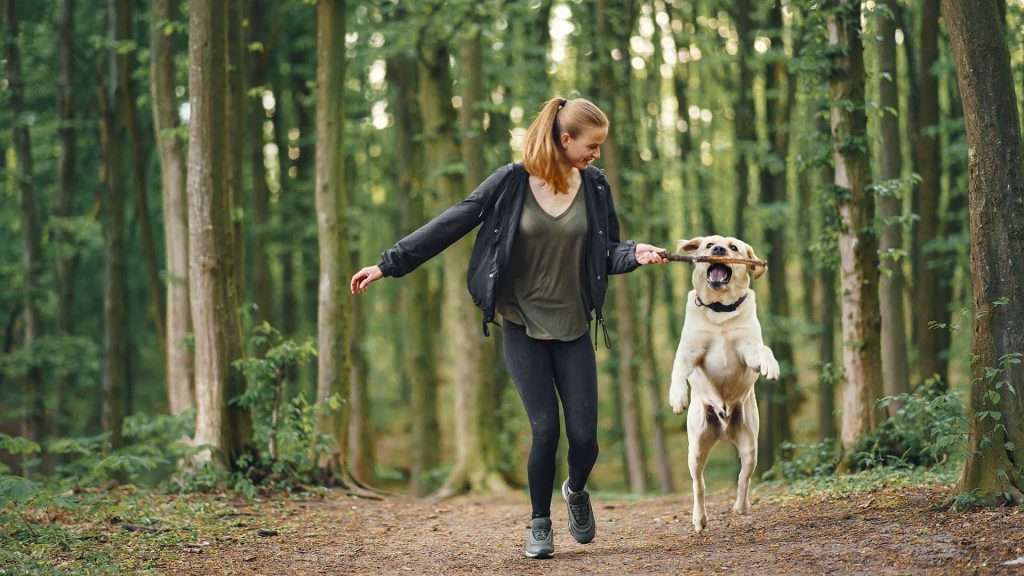
Walks should feel like a highlight of the day for both of you, a time to relax, connect, and explore rather than just a daily obligation. The key is finding balance between structure and freedom, making sure your dog feels stimulated while you enjoy the calm and routine it brings.
Routine gives dogs a sense of stability. Walking around the same times each day helps them predict what’s coming, which reduces anxiety and encourages calm behaviour at home. Morning walks are ideal for releasing energy before the day begins, while evening strolls help them unwind and settle for the night.
Simple ways to create balance:
Structure brings calm, and calm builds confidence.
Dogs naturally take cues from your energy. When you move and react calmly, your dog learns to do the same. Steady breathing, relaxed posture, and a consistent pace all communicate that there’s nothing to worry about.
If your dog becomes distracted or anxious, pause instead of pulling or raising your voice. Wait for eye contact or a small sign of focus, then reward quietly. Over time, these gentle corrections build trust and understanding far more effectively than pressure.
Leadership isn’t control; it’s quiet confidence that your dog can rely on when the world feels uncertain.
Many owners think of walks as a responsibility, a box to tick, but they’re much more than that. Every walk is an opportunity to strengthen the bond you share. The tone of your voice, the pace you set, and even the pauses you take together all contribute to that connection.
Try leaving distractions behind occasionally. Instead of focusing on the phone, focus on your dog. Notice how they move, what catches their attention, and when they seek reassurance. That awareness helps you understand them better and deepens trust.
If your dog enjoys variety, occasional ‘adventure walks’ to new areas can refresh the bond further. Walks should never feel like chores, they’re shared moments that remind your dog you’re their safe place in every environment.
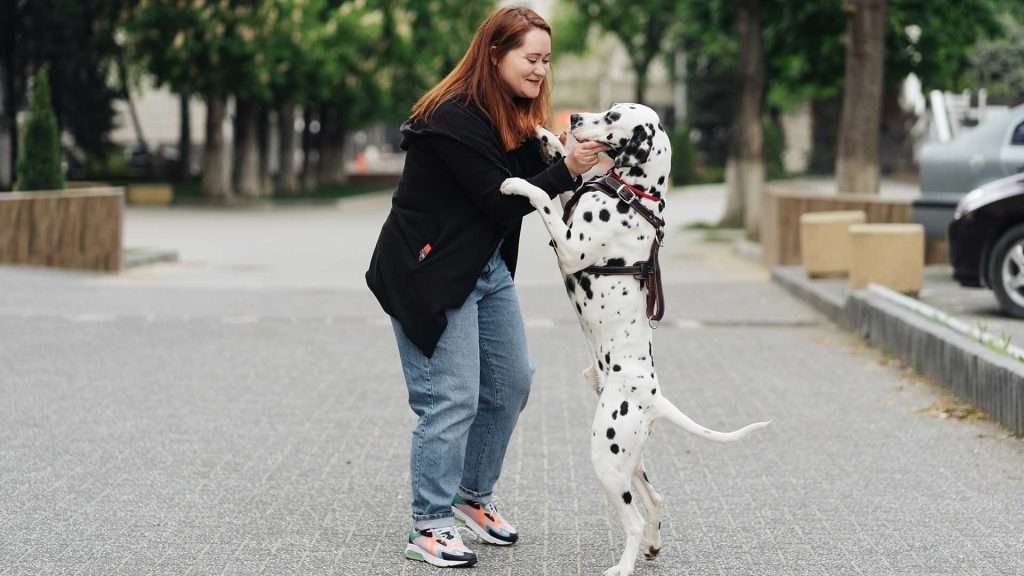
Every walk tells a small story, moments of curiosity, calm, and connection that build the bond between you and your dog.
Whether you’re stepping out for a quick stroll or exploring somewhere new, what matters most is how those moments feel. A thoughtful routine, the right equipment, and gentle attention to your dog’s signals turn an ordinary walk into something far more rewarding.
Comfort plays a big part too. During colder months, adding a warm, well fitted dog coat keeps your companion cosy and confident so you can both enjoy your time outdoors whatever the weather. Small adjustments like this show your dog that every step with you is safe and comfortable.
As the seasons change, so will your walks, new sights, scents, and experiences waiting to be discovered together. With patience, consistency, and care, walking becomes more than exercise; it becomes a daily reminder of trust and companionship that lasts a lifetime.
Every step shared with your dog is a moment of understanding, and those moments are what make the journey so special.